
Understanding the cost of custom sportswear manufacturing is important for teams, clubs, startup brands, retailers, distributors, and private-label buyers. However, custom sportswear does not usually have one fixed price because every order can involve different products, fabrics, quantities, decoration methods, labels, packaging, sizes, and shipping requirements.
A basic team jersey, for example, may have a very different cost structure from a private-label tracksuit with custom fabric, embroidery, woven labels, hang tags, special packaging, and international delivery.
For buyers, the goal should not simply be to find the lowest price. It should be to understand what is included in the quotation and whether the proposed specification matches the quality, performance, branding, and commercial requirements of the project.
This guide explains the main factors that affect custom sportswear manufacturing cost and how brands and teams can compare quotations more accurately.
What Determines the Cost of Custom Sportswear?
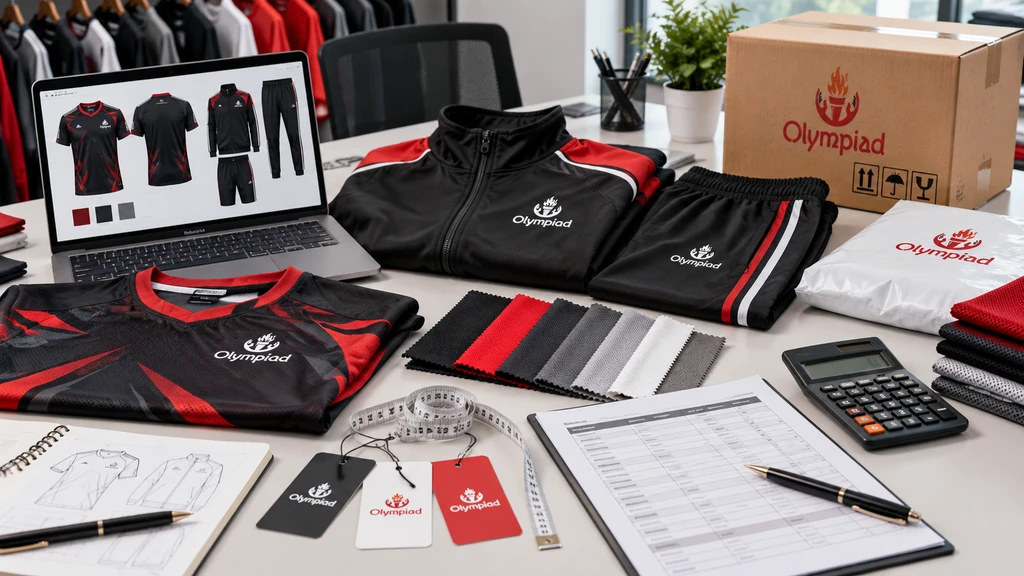
The final price of a custom sportswear order can depend on many variables.
These may include:
- Product type
- Fabric composition
- Fabric GSM
- Order quantity
- Number of sizes
- Product complexity
- Printing method
- Embroidery
- Player names and numbers
- Custom colors
- Labels
- Hang tags
- Packaging
- Accessories
- Sampling
- Quality requirements
- Production lead time
- Shipping method
- Delivery destination
Because these factors vary from order to order, manufacturers normally need project details before preparing an accurate quotation.
A price without a clear specification may not provide a useful comparison.
Why Custom Sportswear Does Not Have One Fixed Price
Custom manufacturing is different from buying a ready-made retail product.
A standard wholesale garment may already have:
- Fixed fabric
- Fixed size range
- Fixed construction
- Fixed colors
- Standard packaging
Custom sportswear can change all of these.
A buyer may request:
- Different GSM
- Custom fit
- Special artwork
- Multiple logos
- Private labels
- Branded packaging
- Individual names
- Different player numbers
- Specific color matching
Each change can affect material use, labor, setup, production time, and cost.
For this reason, a realistic quotation should be based on the exact project rather than a generic price.
Product Type and Garment Complexity
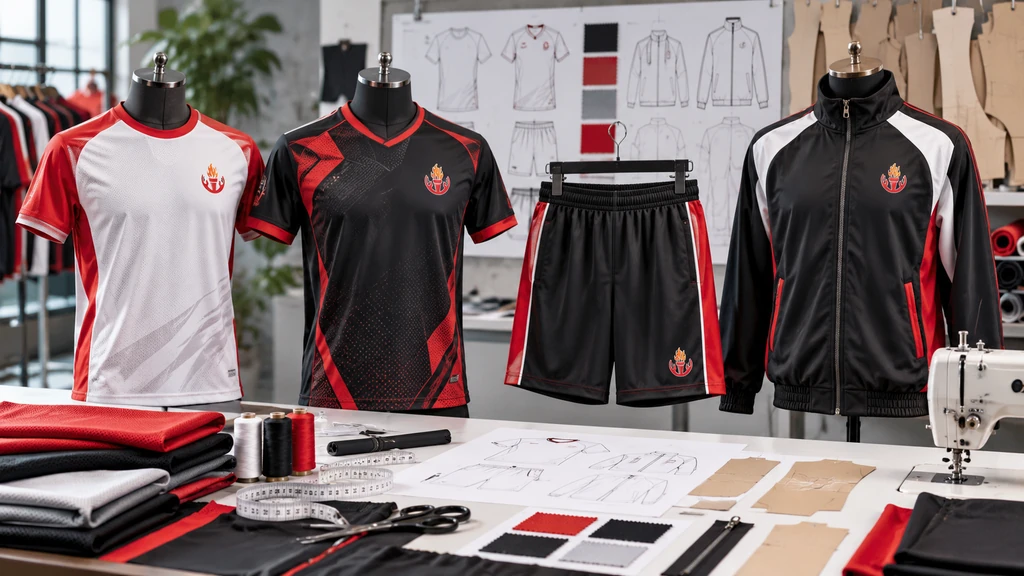
One of the biggest pricing factors is the type of garment being manufactured.
A simple training T-shirt is generally easier to produce than a technical jacket with multiple panels, zippers, pockets, lining, and embroidery.
More complex garments can require:
- More pattern pieces
- More cutting time
- More stitching operations
- Additional trims
- Extra quality checks
- Longer production time
Examples of higher-complexity products may include:
- Jackets
- Tracksuits
- Goalkeeper kits
- Multi-panel uniforms
- Compression garments
- Products with multiple pockets or zippers
Simpler products may include:
- Basic T-shirts
- Simple jerseys
- Standard shorts
However, even a simple product can become more expensive when extensive customization is added.
How Fabric Choice Affects Cost
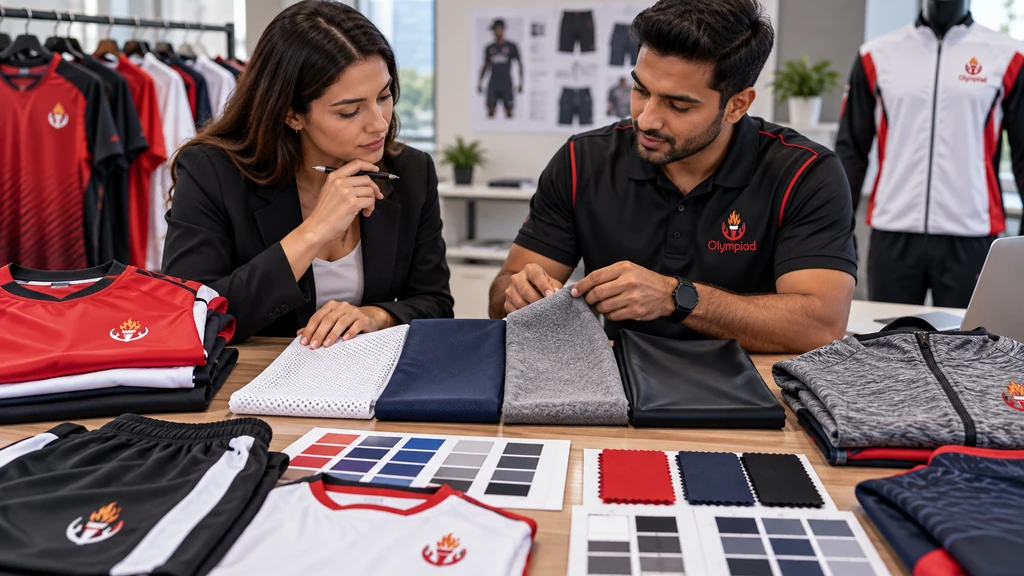
Fabric can represent a significant part of the overall garment cost.
Pricing can change depending on:
- Fiber composition
- Fabric construction
- GSM
- Stretch
- Moisture-management finish
- Surface texture
- Custom color
- Availability
- Minimum fabric order
For example, a basic polyester fabric may cost less than a specialized polyester-elastane performance fabric.
Similarly, a standard stock color may be easier to source than a custom-dyed shade.
Brands should therefore compare quotations using similar fabric specifications.
A lower garment price may sometimes reflect a cheaper or lighter fabric.
Also read: Best Fabrics for Sportswear: Guide for Brands & Team
How GSM Influences Pricing
GSM stands for grams per square meter and measures fabric weight.
Higher GSM generally means more material is used per square meter.
This can increase fabric cost.
However, GSM should not be viewed in isolation.
Two fabrics with the same GSM may still have different prices because of:
- Fiber quality
- Knit construction
- Stretch
- Finishing
- Performance treatments
A 180 GSM basic fabric and a 180 GSM technical stretch fabric may not cost the same.
For accurate quotation comparison, buyers should confirm both GSM and composition.
Order Quantity and MOQ
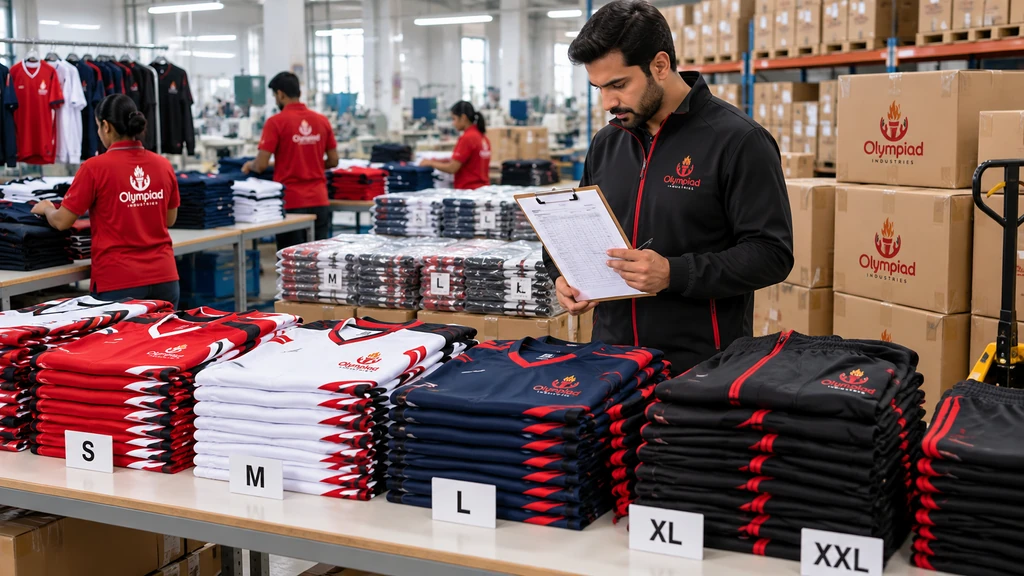
MOQ means Minimum Order Quantity.
Order quantity can strongly influence unit price.
Why Larger Orders Often Cost Less Per Piece
Manufacturing involves setup costs such as:
- Pattern preparation
- Artwork setup
- Machine preparation
- Printing setup
- Embroidery digitizing
- Label production
When the quantity is larger, these costs are spread across more garments.
This can reduce the cost per piece.
Why Small Orders Can Cost More
Small orders may still require almost the same setup work as larger orders.
As a result, the manufacturer may charge a higher unit price.
This does not mean small orders are always expensive, but buyers should understand that very low quantities can reduce production efficiency.
How Sublimation Affects Cost
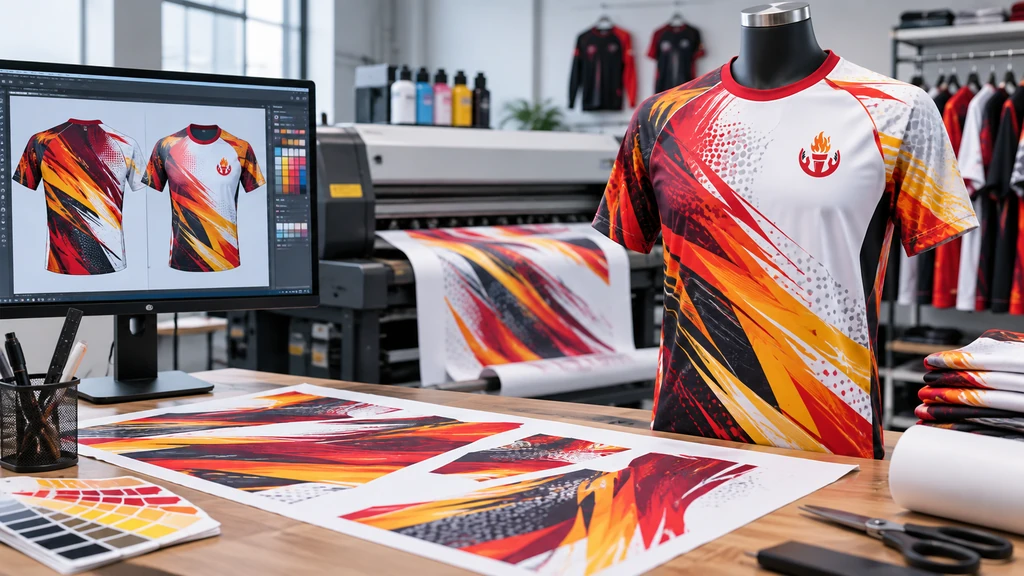
Sublimation pricing can depend on:
- Garment size
- Print area
- Artwork complexity
- Fabric type
- Quantity
- Personalization
- Production workflow
One advantage of sublimation is that using many colors does not necessarily create the same additional setup cost as traditional multi-color screen printing.
This makes sublimation suitable for:
- Full-color jerseys
- All-over patterns
- Sponsor graphics
- Names
- Numbers
However, sublimation requires compatible polyester fabric and specialized production equipment.
Also read: Sublimation vs Embroidery vs Screen Printing for Sportswear
Embroidery Pricing and Stitch Count
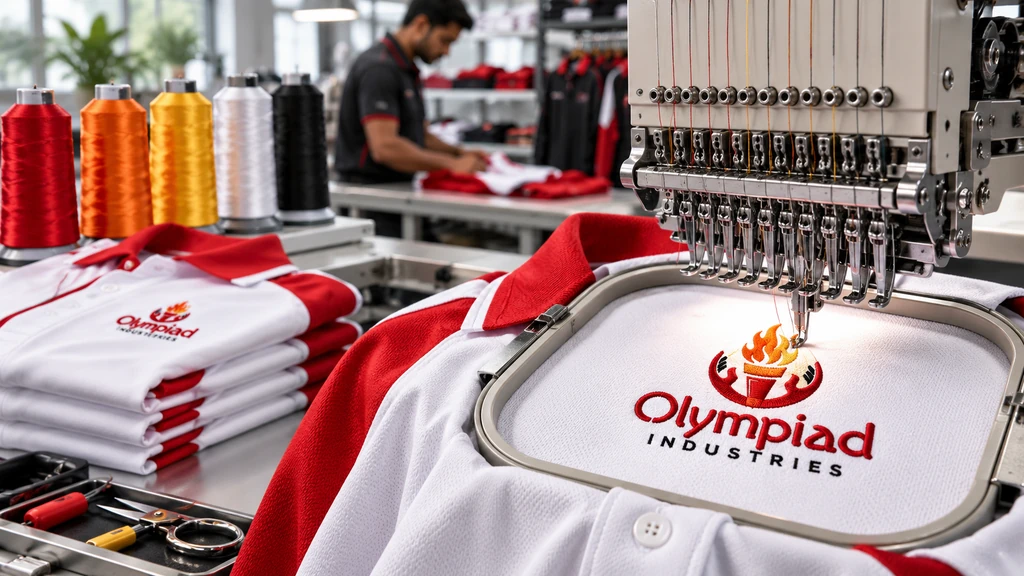
Embroidery cost is usually influenced by:
- Logo size
- Stitch count
- Number of colors
- Design complexity
- Quantity
- Placement
A small chest logo may require far fewer stitches than a large back design.
Higher stitch count generally means:
- More thread
- More machine time
- Longer production
Embroidery also requires artwork digitizing before production.
For this reason, a simple small logo is usually more economical than a large, highly detailed embroidered graphic.
Screen Printing Costs
Screen printing pricing often depends on:
- Number of colors
- Number of print locations
- Print size
- Garment type
- Quantity
Each color may require separate screen preparation.
This means a one-color design can be more economical than a complex six-color graphic.
However, larger quantities can make screen printing cost-effective because setup costs are spread across more units.
Screen printing is often suitable for:
- T-shirts
- Hoodies
- Training wear
- Promotional apparel
Heat Transfer and Names & Numbers
Heat transfer can be used for:
- Player names
- Numbers
- Sponsor logos
- Small custom graphics
Pricing may depend on:
- Transfer size
- Material
- Number of colors
- Quantity
- Individual personalization
A team order in which every jersey has a different name and number may require additional production handling.
This should be included in the quotation.
Custom Colors and Fabric Development
Custom colors can increase cost compared with standard stock shades.
This may be because the manufacturer needs to:
- Source special fabric
- Dye material
- Meet a minimum fabric quantity
- Perform color matching
- Prepare test swatches
Custom colors are particularly important for:
- Sports clubs
- Established brands
- Schools
- Corporate teams
Buyers should ask whether the quotation is based on:
- Stock colors
- Custom-dyed colors
- Sublimated colors
These options can have different cost structures.
Also read: Private Label Sportswear Manufacturing Guide for Brands
Pattern Making and Product Development Costs
Custom products may require new pattern development.
This can include:
- Creating a new fit
- Developing custom measurements
- Adjusting proportions
- Creating men’s, women’s, or kids’ versions
- Producing sample patterns
Some manufacturers include development costs within the overall order, while others may charge separately.
More complex product development generally requires more time and technical work.
Sample Costs
Sampling is an important part of custom manufacturing.
A sample can help confirm:
- Fabric
- Fit
- Measurements
- Artwork
- Labels
- Stitching
- Branding
- Packaging
Sample costs may be higher per piece than bulk pricing because the manufacturer must complete the setup for only one or a few garments.
Depending on the supplier, sample charges may:
- Be charged separately
- Be partially adjusted against a bulk order
- Include shipping
- Exclude shipping
Buyers should confirm this before requesting a sample.
Private Labels and Hang Tags

Private-label branding can include:
- Woven labels
- Printed neck labels
- Size labels
- Care labels
- Composition labels
- Hang tags
These items add cost because they must be designed, produced, and attached.
Pricing can depend on:
- Material
- Size
- Print method
- Quantity
- Colors
Custom labels may also have their own minimum production quantities.
For private-label brands, these costs are important because they affect the final retail-ready presentation.
Custom Packaging Costs
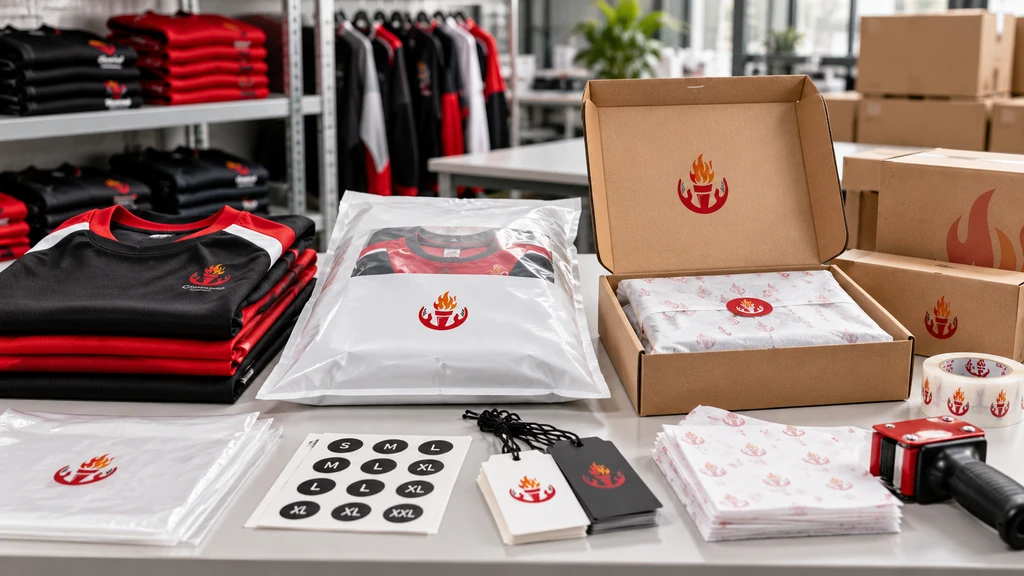
Packaging may range from simple protective packing to premium branded presentation.
Possible options include:
- Standard polybags
- Branded polybags
- Zip bags
- Tissue paper
- Custom boxes
- Barcode labels
- Size stickers
- Carton markings
Standard packing is generally more economical.
Custom packaging can increase cost but may improve brand presentation.
For online brands, packaging can be part of the customer experience and should be planned early.
Zippers, Drawcords and Other Accessories
Accessories can have a significant impact on products such as:
- Tracksuits
- Jackets
- Hoodies
- Joggers
Possible trims include:
- Zippers
- Elastic
- Drawcords
- Snaps
- Buttons
- Ribbing
- Velcro
- Custom pullers
Premium or branded trims usually cost more than basic standard components.
A jacket with multiple zippers and pockets will generally have a higher cost than a simple pullover garment.
Sizing and Individual Player Customization
Standard size runs are usually easier to manage.
Complex size breakdowns can require more handling.
Team orders may include:
- XS to 5XL
- Kids sizes
- Men’s sizes
- Women’s sizes
- Individual names
- Individual numbers
Personalized orders require careful sorting and checking to prevent errors.
This extra production management can influence cost.
Quality Control and Finishing
Quality control is part of professional manufacturing.
A structured process may include checking:
- Fabric
- Stitching
- Measurements
- Color
- Logo placement
- Names
- Numbers
- Labels
- Packaging
Higher quality expectations may require more inspection time.
Premium products may also involve more detailed finishing and preparation.
Brands should not view quality control only as an added expense.
It helps reduce defects and protects the final product.
Production Lead Time and Rush Orders
Normal production allows the manufacturer to schedule materials, machines, and labor efficiently.
Rush orders may require:
- Priority production
- Overtime
- Faster sourcing
- Express shipping
This can increase cost.
Buyers should plan early whenever possible.
Allowing sufficient time can make both production and shipping more economical.
Also read: How to Choose a Custom Sportswear Manufacturer for Your Team
Shipping Costs
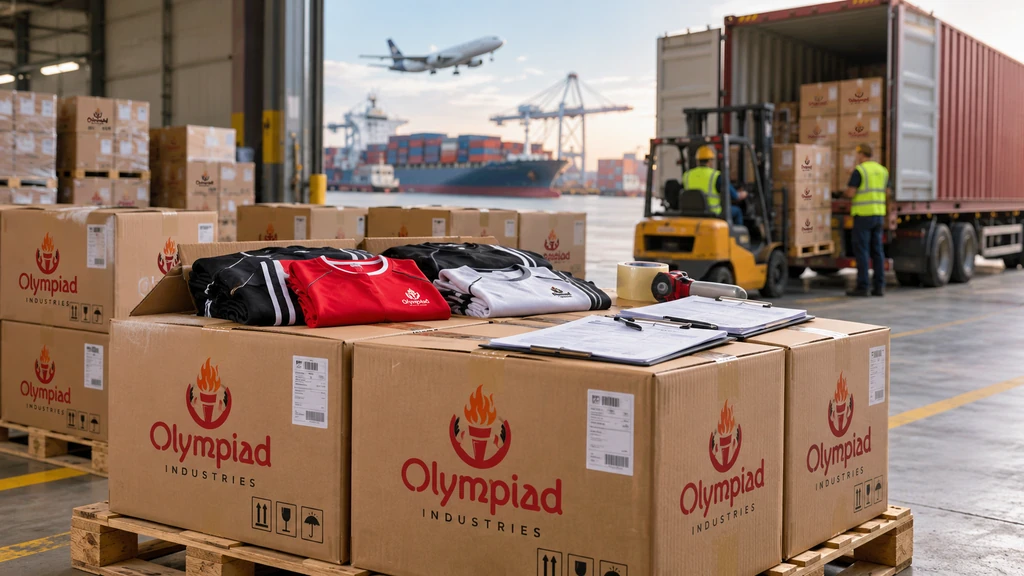
Shipping can represent a major part of the total landed cost, especially for international orders.
Shipping price can depend on:
- Weight
- Carton volume
- Destination
- Shipping method
- Delivery speed
- Courier
- Freight provider
A lightweight jersey order will generally cost less to ship than a large order of heavy fleece tracksuits.
Buyers should confirm whether a quotation is:
- Ex-factory
- Shipping included
- Shipping excluded
This is essential when comparing suppliers.
Air Freight vs Sea Freight
Air Freight
Air freight is generally faster.
It can be suitable for:
- Smaller orders
- Urgent shipments
- Seasonal launches
However, it is usually more expensive than sea freight for large volumes.
Sea Freight
Sea freight is often more economical for large shipments.
However, it requires longer transit time and more planning.
It may be suitable for:
- Large wholesale orders
- Bulk private-label collections
- Large distributor shipments
The best method depends on quantity, urgency, and budget.
Duties and Import Taxes
International buyers should also consider import-related costs.
These may include:
- Customs duties
- VAT
- Sales tax
- Brokerage
- Port charges
These costs are usually determined by the destination country.
Manufacturers may provide export documentation, but buyers should understand their local import requirements.
The garment manufacturing price alone is not always the final landed cost.
Cost of Football and Soccer Kits
Football kits can vary significantly in price depending on specification.
Cost factors may include:
- Jersey only or complete kit
- Fabric type
- GSM
- Sublimation
- Player names
- Numbers
- Sponsor logos
- Shorts
- Socks
- Quantity
- Packaging
A fully customized sublimated kit with individual names and numbers will normally have a different cost from a standard jersey with a single logo.
Cost of Basketball Uniforms
Basketball uniform pricing may depend on:
- Jersey and shorts
- Mesh fabric
- Sublimation
- Numbers
- Names
- Team logos
- Quantity
Because both top and shorts are included, complete sets will naturally cost more than jersey-only orders.
Cost of Tracksuits
Tracksuits are more complex than many jerseys.
They can include:
- Jacket
- Trousers
- Zippers
- Pockets
- Ribbing
- Drawcords
- Embroidery
- Heat transfer
Fabric is also generally heavier.
For these reasons, tracksuits usually require more materials and labor.
Cost of Sports Jackets
Sports jackets can vary widely depending on design.
Cost can increase with:
- Lining
- Zippers
- Pockets
- Water-resistant materials
- Embroidery
- Custom panels
- Ribbed cuffs
- Custom trims
A lightweight training jacket and an insulated sports jacket should not be expected to have the same price.
Cost of Training Wear
Training wear can include:
- T-shirts
- Shorts
- Training tops
- Joggers
- Warm-up sets
Pricing depends on:
- Fabric
- Quantity
- Printing
- Branding
- Construction
Simple training garments may be more economical than highly customized matchwear.
Cost of Private Label Activewear
Private-label activewear can include:
- Leggings
- Sports bras
- Compression tops
- Fitness sets
Costs may be influenced by:
- Stretch fabrics
- Higher elastane content
- Custom fit
- Flatlock seams
- Labels
- Packaging
- Premium finishes
For brands, the product-development stage can also add cost.
How to Compare Manufacturer Quotations Properly
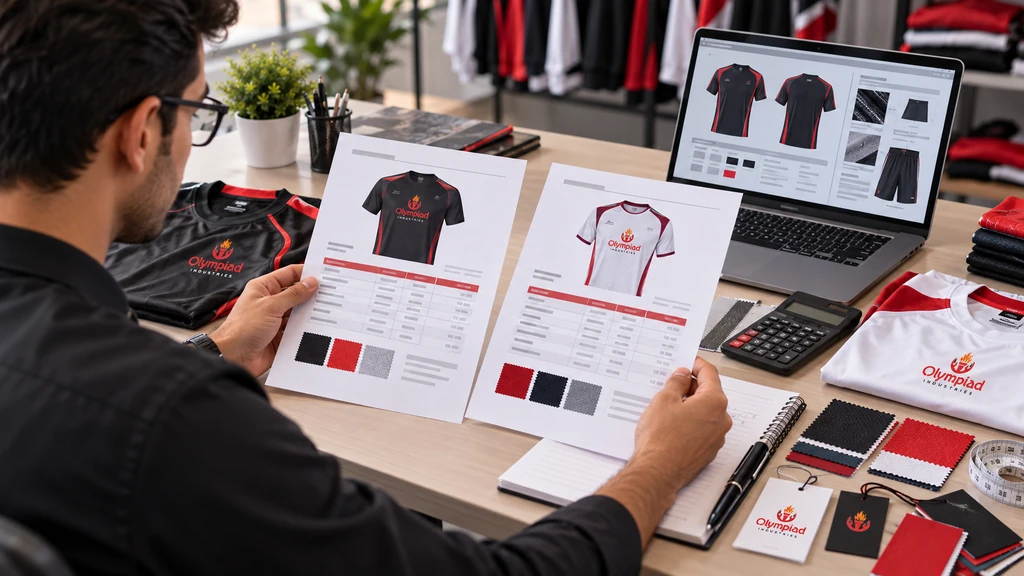
Two quotations are only useful if they refer to similar specifications.
Before comparing prices, confirm:
- Fabric composition
- GSM
- Product construction
- Decoration method
- Labels
- Packaging
- Quantity
- Shipping
- Sample cost
For example, a $10 jersey and a $14 jersey may not actually be comparable if one uses a lighter fabric and excludes shipping.
Always compare like-for-like specifications.
Why the Cheapest Quote May Not Be the Best Value
A very low quotation can be attractive, but buyers should understand why it is lower.
Possible reasons include:
- Lower GSM
- Cheaper fabric
- Less customization
- Basic packaging
- Lower-quality trims
- Shipping excluded
- Limited quality control
The best value is usually the quotation that provides the required specification at a sustainable price.
Choosing the lowest price without reviewing details can create problems later.
How Brands Can Reduce Manufacturing Costs
Brands can control costs without automatically lowering quality.
Increase Order Quantity
Larger quantities can reduce setup cost per unit.
Use Standard Fabric Colors
Stock colors can be more economical than custom dyeing.
Limit Unnecessary Complexity
Reducing:
- Extra panels
- Extra zippers
- Excessive trims
can reduce production cost.
Use the Right Decoration Method
For example:
- Sublimation for complex polyester designs
- Screen printing for simple bulk graphics
- Embroidery for small premium logos
Choosing the most suitable method can improve both cost and performance.
Standardize Packaging
Premium custom boxes may not be necessary for every order.
Plan Production Early
Avoiding rush production and express shipping can reduce cost.
Also read: Custom Sportswear Manufacturing Guide for Teams & Brands
Questions to Ask Before Accepting a Quote
Before confirming an order, ask:
- What fabric is included?
- What is the GSM?
- Is customization included?
- Are names and numbers included?
- Are labels included?
- Is packaging included?
- Is sample cost included?
- Does the price include shipping?
- What is the MOQ?
- What is the estimated production time?
- Are there setup charges?
- Are there additional charges for custom colors?
- Which decoration method is included?
- What payment terms apply?
- Are duties or taxes excluded?
These questions can prevent misunderstandings.
How Olympiad Industries Prepares Custom Quotations
At Olympiad Industries, quotations are prepared according to the actual requirements of each project rather than using one standard price for every product.
Important factors can include:
- Product type
- Quantity
- Fabric
- GSM
- Colors
- Measurements
- Design
- Printing
- Sublimation
- Embroidery
- Labels
- Packaging
- Shipping destination
Projects can begin from:
- Tech packs
- Reference images
- Sketches
- Existing samples
- Measurement charts
- Artwork
- Buyer specifications
The objective is to quote according to the requested product rather than provide a generic price that may not reflect the final specification.
Frequently Asked Questions
How much does custom sportswear manufacturing cost?
There is no single fixed price. Cost depends on product type, fabric, quantity, decoration, labels, packaging, sampling, and shipping.
Why does MOQ affect price?
Lower quantities spread setup costs across fewer garments, which can increase the unit price. Larger orders can often reduce cost per piece.
Does heavier GSM cost more?
Higher GSM generally uses more material, which can increase cost, but fabric composition and construction also matter.
Is sublimation expensive?
Sublimation can be cost-effective for full-color polyester sportswear, especially when designs contain many colors or complex patterns.
Is embroidery more expensive than printing?
It can be, especially for large or high-stitch-count logos. Cost depends on logo size, stitch count, and quantity.
Does private labeling increase cost?
Yes. Custom neck labels, care labels, hang tags, and packaging add production cost, but they help create a complete branded product.
Are samples more expensive per piece?
Usually yes, because sampling requires setup and development work for only a small number of garments.
Is shipping included in manufacturing prices?
Not always. Buyers should confirm whether shipping is included or quoted separately.
How can I reduce custom sportswear costs?
Using larger quantities, standard colors, simpler designs, efficient decoration methods, and planned shipping can help reduce costs.
Should I choose the cheapest sportswear manufacturer?
Not automatically. Compare specifications, quality, communication, lead time, and what is included in the price.
Conclusion
Custom sportswear manufacturing cost depends on much more than the garment itself.
Fabric, GSM, quantity, decoration, personalization, trims, labels, packaging, sampling, quality control, and shipping all influence the final price.Teams and brands should therefore avoid comparing quotations based only on one number.
The most useful comparison is based on identical specifications.
A slightly higher quotation may offer better fabric, more complete customization, stronger quality control, or included services that a cheaper quotation excludes.
By understanding the main cost factors, buyers can make more informed decisions, control budgets more effectively, and develop sportswear that meets both performance and commercial requirements.
Olympiad Industries prepares custom sportswear and private-label apparel quotations according to buyer-specific products, fabrics, quantities, designs, branding, labels, packaging, and shipping requirements for teams, brands, clubs, retailers, distributors, and other B2B buyers.



Leave a Reply