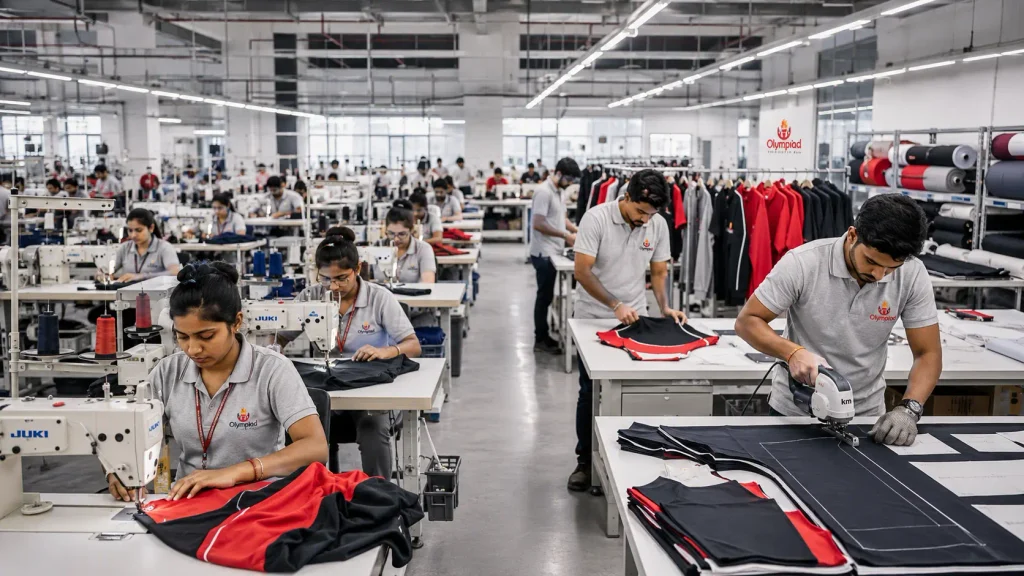
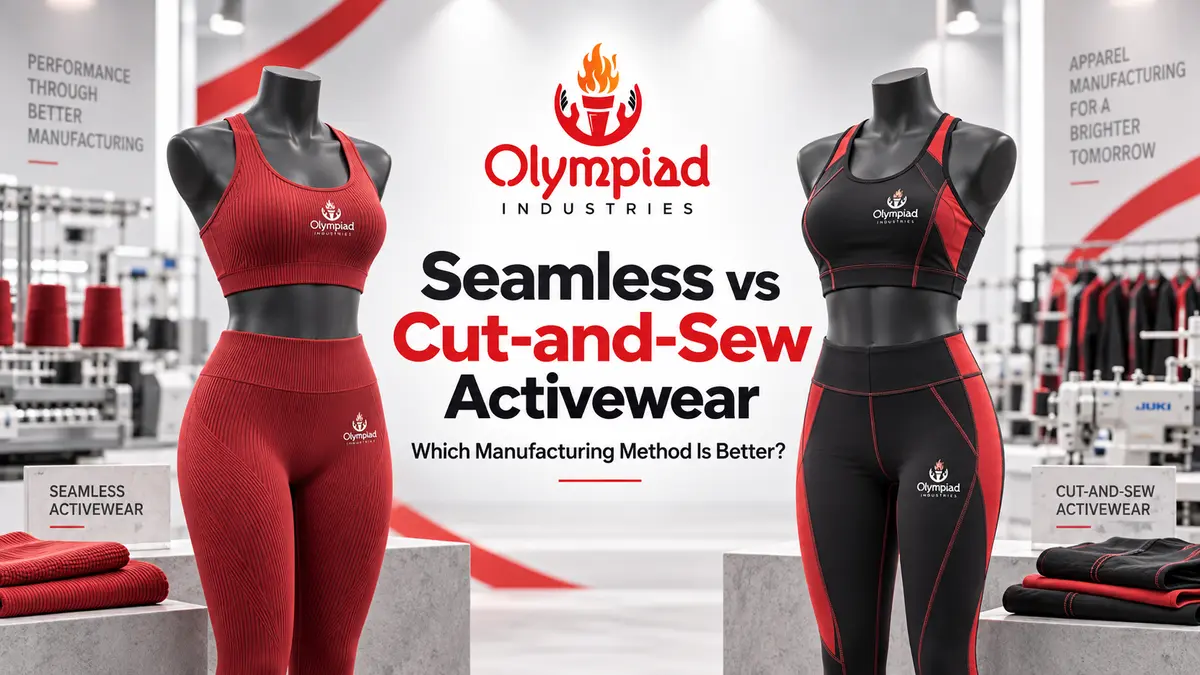

Seamless vs Cut-and-Sew Activewear: Choosing the right manufacturing method can have a major effect on how activewear looks, fits, feels, and performs. Two of the most common approaches are seamless manufacturing and cut-and-sew manufacturing. Both methods can produce high-quality activewear, but they work in very different ways. Seamless production creates much of the garment directly through specialized knitting technology, reducing the number of traditional seams. Cut-and-sew manufacturing begins with finished fabric, which is cut into pattern pieces and stitched together to create the garment.
For activewear brands, the correct method depends on the product, design complexity, target customer, fabric requirements, fit, branding, MOQ, budget, and expected production volume.
A seamless legging can provide smooth body contouring and integrated compression zones, while a cut-and-sew legging may offer greater freedom for pockets, panels, custom seam lines, multiple fabrics, and detailed pattern adjustments.
This guide explains how both manufacturing methods work, their advantages and limitations, how they compare across activewear categories, and which approach may be better for different types of brands and products.
What Is Seamless Activewear Manufacturing?
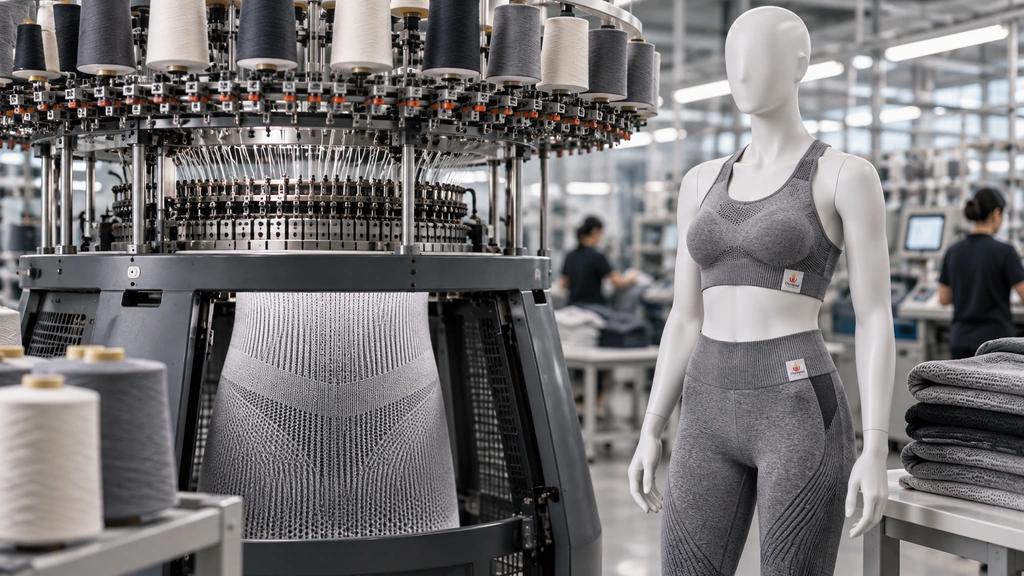
Seamless activewear manufacturing is a knitting-based production method in which a large portion of the garment is created directly on specialized machines rather than being assembled from many separately cut fabric panels.
The term “seamless” does not always mean that a garment has absolutely no seams. Some products may still require finishing seams, crotch construction, waistband joining, or other assembly steps. However, the number of traditional cut-and-sew seams is generally reduced.
This manufacturing method is commonly used for:
- Leggings
- Sports bras
- Compression tops
- Base layers
- Fitness sets
- Ribbed activewear
- Contoured gym wear
One of the main advantages of seamless production is that different structures can often be knitted directly into the garment. This may include areas with different levels of:
- Compression
- Ventilation
- Texture
- Stretch
- Support
That makes seamless manufacturing particularly attractive for brands that want body-mapped performance features or a smooth athletic appearance.
What Is Cut-and-Sew Activewear Manufacturing?
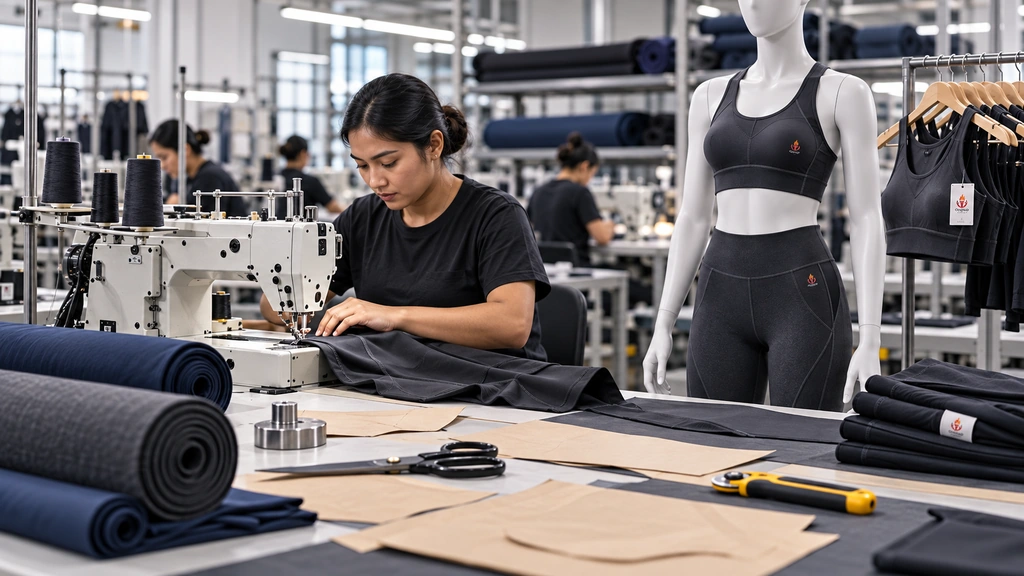
Cut-and-sew activewear is produced by taking finished fabric, cutting it into individual pattern pieces, and stitching those pieces together according to the garment design.
This is one of the most widely used manufacturing methods in activewear because it provides strong flexibility in terms of pattern development, fabric choice, garment shape, pocket placement, paneling, and decorative construction.
The process may include:
- Fabric sourcing
- Pattern making
- Marker planning
- Cutting
- Stitching
- Embellishment
- Finishing
- Quality control
Cut-and-sew manufacturing can be used for almost every activewear category, including:
- Leggings
- Sports bras
- Training T-shirts
- Shorts
- Tracksuits
- Compression wear
- Running apparel
- Jackets
This method is especially useful when a brand wants highly specific product measurements or detailed construction that would be difficult to produce using seamless knitting alone.
The Main Difference Between Seamless and Cut-and-Sew Activewear
The biggest difference is how the garment shape is created.
In seamless manufacturing, the body of the garment is largely formed during the knitting process itself. The machine can create different textures, compression zones, or ventilation areas directly into the knitted structure.
In cut-and-sew manufacturing, the garment shape is created through separate fabric panels that are cut according to patterns and then assembled through stitching.
This difference affects almost every stage of development.
Seamless production tends to emphasize:
- Integrated shaping
- Reduced seams
- Engineered stretch
- Knitted textures
- Body contouring
Cut-and-sew production tends to emphasize:
- Precise pattern control
- Multiple fabric options
- Custom seam placement
- Pockets
- Panels
- Greater design variation
Neither method is automatically better. The right one depends on what the product needs to achieve.
How Seamless Activewear Is Manufactured
Seamless activewear production relies on specialized circular knitting or similar advanced knitting equipment.
Instead of producing a flat fabric roll that is later cut into many pattern pieces, the machine creates a shaped tubular or near-finished garment structure.
This allows design and performance elements to be engineered directly into the material.
Circular Knitting
Circular knitting machines create fabric in a continuous tubular form.
For activewear, the machine can be programmed to create:
- Different knit densities
- Rib structures
- Ventilation zones
- Compression zones
- Decorative patterns
- Body contouring areas
This makes it possible to vary performance characteristics within the same garment without using several separate fabrics.
Garment Shaping
Some shaping is created directly through knit engineering.
For example, a seamless legging may use tighter knit structures around the:
- Waist
- Thighs
- Glutes
- Calves
while allowing more flexibility around areas that require greater movement.
This can create a sculpted appearance without relying entirely on stitched panels.
Seam Reduction
One of the main benefits of seamless manufacturing is reducing the number of traditional seams.
Fewer seams can help reduce:
- Friction
- Bulk
- Visual interruption
This can be useful for close-fitting garments that are worn directly against the skin.
Finishing and Assembly
Even seamless garments may still require finishing.
Depending on the product, manufacturers may need to:
- Close certain openings
- Add hems
- Attach labels
- Apply branding
- Complete crotch seams
- Add padding
The finishing stage remains important because the garment still needs consistent fit, durability, and appearance.
How Cut-and-Sew Activewear Is Manufactured
Cut-and-sew manufacturing follows a more traditional apparel production process, but it can still be highly technical.
The product begins with fabric rather than being knitted directly into its final shape.
Fabric Selection
The manufacturer first selects a suitable fabric according to the product.
Options may include:
- Nylon-spandex
- Polyester-spandex
- Mesh
- Interlock
- Stretch woven fabric
- Brushed fabrics
- Rib fabrics
This gives cut-and-sew brands broad flexibility in material selection.
Pattern Making
Patterns determine the shape and fit of the garment.
A pattern can be developed according to:
- Measurements
- Fit
- Fabric stretch
- Product design
- Seam placement
This stage gives brands strong control over the finished fit.
Cutting
Fabric is spread and cut into separate components.
These may include:
- Front panels
- Back panels
- Waistbands
- Sleeves
- Gussets
- Pockets
Accurate cutting is important because even small errors can affect final measurements.
Stitching
The cut components are assembled through different stitching methods.
Depending on the garment, these may include:
- Overlock
- Flatlock
- Cover stitch
- Single-needle stitching
The stitch type should provide enough strength and flexibility for activewear movement.
Finishing
After stitching, the garment may receive:
- Branding
- Labels
- Thread trimming
- Inspection
- Packaging
The final product is then reviewed against the approved specifications.
Seamless vs Cut-and-Sew: Design Flexibility
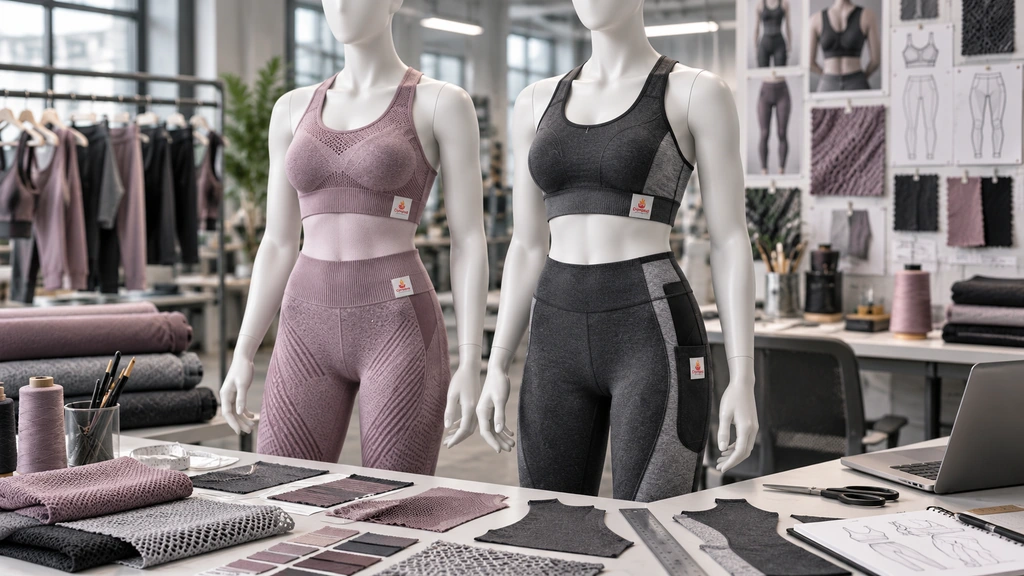
Design flexibility is one of the clearest differences between the two methods.
Cut-and-sew generally provides greater freedom when a brand wants highly customized product construction.
A designer can create:
- Curved panels
- Color-blocked sections
- Side pockets
- Different fabrics
- Mesh inserts
- Complex waistbands
- Custom seam lines
This makes cut-and-sew especially useful for fashion-oriented activewear and products with functional details.
Seamless garments can still offer strong visual creativity, but the design is controlled by what can be programmed into the knitting machine.
Seamless designs may include:
- Rib patterns
- Contour zones
- Ventilation structures
- Compression areas
- Engineered textures
The design language is therefore different rather than necessarily more limited.
Brands should decide whether they want knit-engineered design or pattern-engineered design.
Seamless vs Cut-and-Sew: Fit and Body Contouring
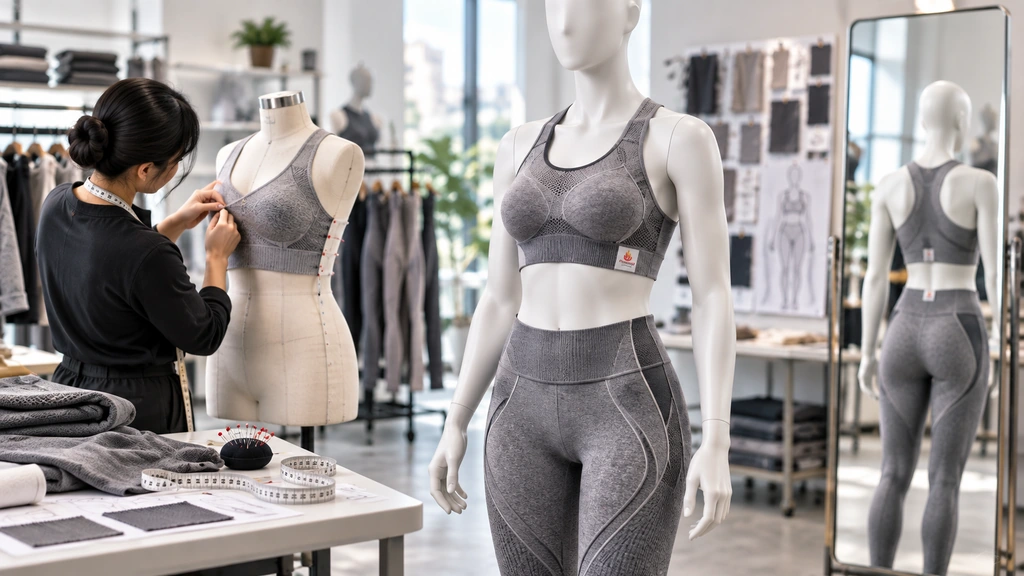
Seamless garments are often associated with body-contouring fits because knit density can be varied across different areas.
This can help create visual shaping around:
- Waist
- Glutes
- Thighs
- Legs
without needing additional seam lines.
This approach is particularly popular in gym and fitness leggings where sculpting and contouring are part of the design.
Cut-and-sew activewear can also provide excellent body shaping, but it achieves the effect through:
- Pattern curves
- Seam placement
- Panel shapes
- Fabric selection
The advantage of cut-and-sew is that fit can often be adjusted more precisely through pattern changes.
For brands that need very specific measurements or fit corrections, cut-and-sew may offer more direct control.
Seamless vs Cut-and-Sew: Comfort
Comfort depends on more than manufacturing method.
Seamless garments can feel very comfortable because fewer seams may reduce friction and bulk.
This is useful for:
- Yoga
- Running
- Compression wear
- Long training sessions
However, seamless garments can still feel uncomfortable if the knit structure is too tight, too rigid, or poorly shaped.
Cut-and-sew garments may have more seams, but modern stitching methods can produce very smooth construction.
Flatlock seams, for example, can reduce seam bulk and create a comfortable surface.
Therefore, comfort depends on:
- Fabric
- Fit
- Seam type
- Compression
- Garment construction
rather than seamless production alone.
Seamless vs Cut-and-Sew: Seam Placement
Seamless construction minimizes traditional seams.
This can create a cleaner visual appearance and reduce points of friction.
However, removing seams also means the manufacturer has fewer opportunities to use seam placement for functional shaping.
Cut-and-sew construction allows seams to be deliberately positioned to:
- Shape the body
- Improve fit
- Add pockets
- Separate fabrics
- Create visual lines
For example, side seams on leggings can support:
- Pockets
- Color blocking
- Compression panels
A seamless garment may need to achieve similar effects through knit structure instead.
Seamless vs Cut-and-Sew: Stretch and Recovery
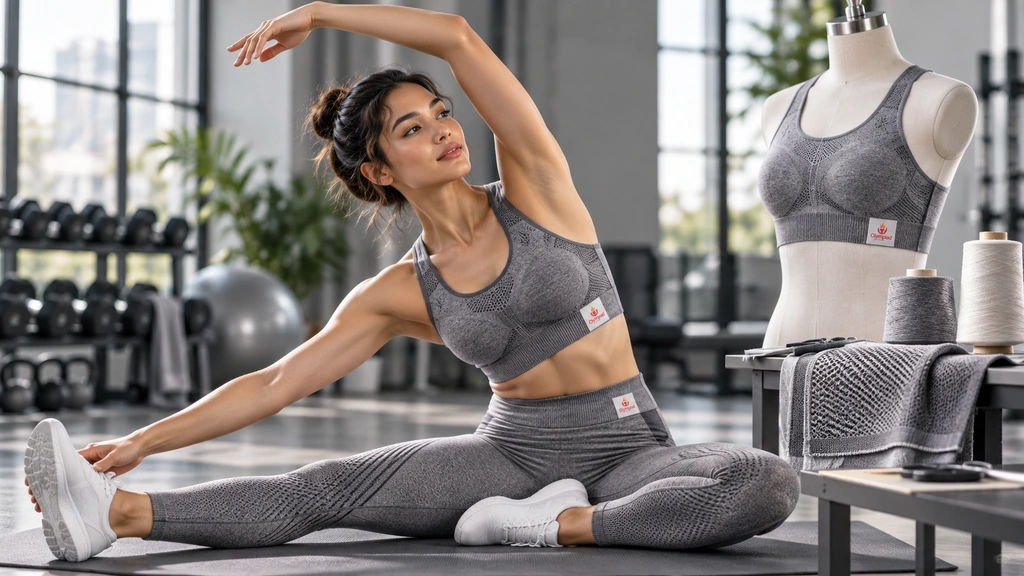
Both manufacturing methods can produce high-stretch garments.
Seamless garments are often designed around highly elastic yarn combinations and engineered knit structures.
This can provide strong multidirectional movement.
Cut-and-sew activewear depends more directly on the stretch characteristics of the selected fabric.
The brand can choose fabrics with:
- 2-way stretch
- 4-way stretch
- Light compression
- Strong compression
One advantage of cut-and-sew is that the same pattern can often be tested across several fabric options.
Seamless products are more dependent on the yarn and knitting program used in production.
Recovery should be tested in both methods because poor recovery can lead to:
- Bagging
- Sagging
- Loss of compression
Seamless vs Cut-and-Sew: Compression
Seamless manufacturing can create localized compression by changing knit density directly in different parts of the garment.
For example, a legging might use stronger compression around the:
- Waist
- Thigh
- Calf
while allowing more flexibility around movement areas.
This can be an important advantage for technical or sculpting activewear.
Cut-and-sew compression is achieved mainly through:
- Fabric elasticity
- Negative ease
- Pattern measurements
- Panel construction
This method can still provide excellent compression but relies more heavily on fabric and pattern engineering.
For brands wanting highly targeted compression zones, seamless may offer useful technical possibilities.
For brands wanting precise overall fit control, cut-and-sew can be very effective.
Seamless vs Cut-and-Sew: Breathability and Ventilation
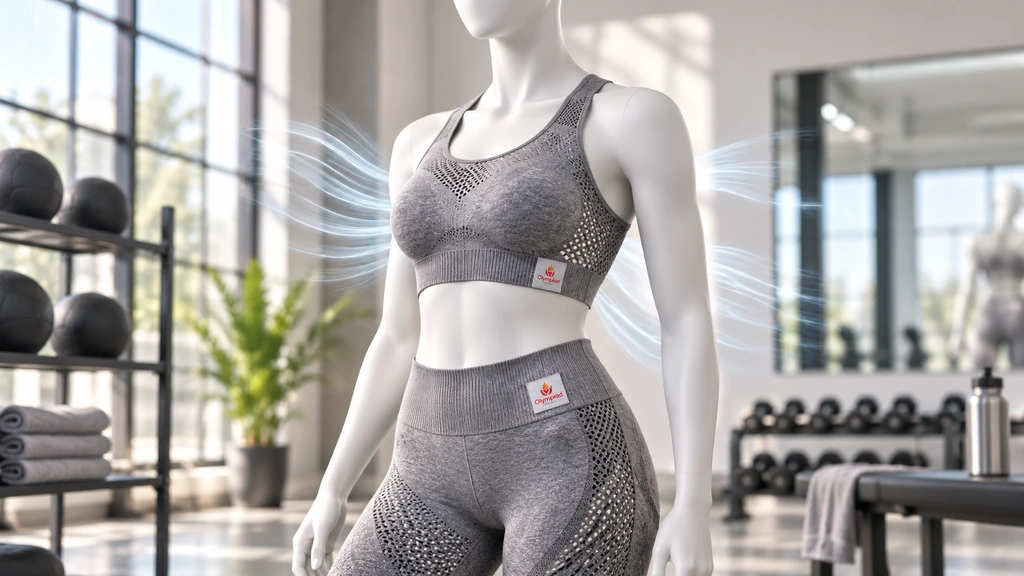
Seamless manufacturing can create ventilation zones directly in the knit structure.
For example, open or lighter knit areas can be placed around:
- Back
- Underarms
- Sides
- Knees
without adding separate mesh panels.
This creates a clean appearance and can reduce additional stitching.
Cut-and-sew manufacturing improves ventilation through:
- Mesh panels
- Perforated fabrics
- Lightweight sections
- Breathable main fabrics
The advantage is that brands can combine several materials within one garment.
For example, a training top may use:
- Main polyester fabric
- Mesh underarms
- Stretch side panels
This level of mixed-material construction is easier with cut-and-sew.
Seamless vs Cut-and-Sew: Fabric Options
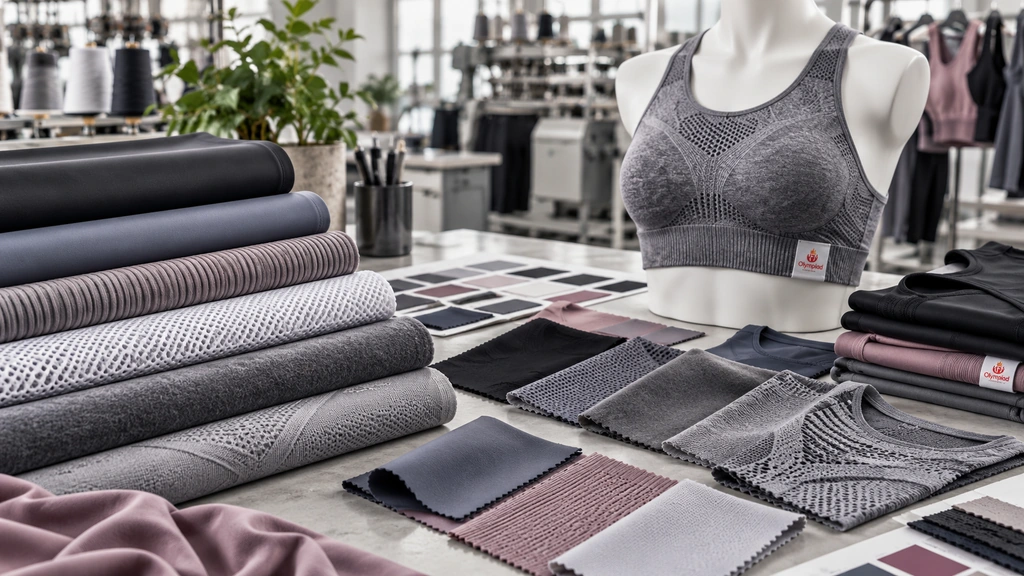
Cut-and-sew manufacturing generally provides the broader range of fabric choices.
Brands can choose from:
- Nylon-spandex
- Polyester-spandex
- Recycled blends
- Mesh
- Rib
- Brushed fabric
- Stretch woven materials
They can also combine different materials in one garment.
Seamless production uses yarns specifically suitable for the knitting machinery.
Fabric characteristics are created through the yarn and knit program rather than selecting a conventional finished fabric roll.
This gives seamless manufacturing strong engineering potential but may provide less flexibility when a brand wants to use a specific existing fabric.
Also read: Best Fabrics for Activewear: Nylon, Polyester & Spandex
Seamless vs Cut-and-Sew: GSM and Fabric Weight
GSM works more straightforwardly in cut-and-sew production because the buyer selects an existing fabric with a specified weight.
For example, a brand might choose:
- 180 GSM
- 220 GSM
- 250 GSM
depending on the product.
In seamless manufacturing, weight can be influenced by:
- Yarn
- Knit density
- Garment structure
- Compression zones
Different areas of one seamless garment can even have different densities.
This means brands should evaluate the final garment rather than focusing only on one GSM figure.
For both methods, weight should be matched to:
- Activity
- Climate
- Compression
- Coverage
Seamless vs Cut-and-Sew: Durability
Both methods can produce durable activewear when correctly manufactured.
Seamless garments may benefit from having fewer seam points that could potentially fail.
However, knit structures themselves need to resist:
- Snagging
- Pilling
- Stretch distortion
Cut-and-sew garments contain more stitching, which creates additional areas requiring quality control.
However, these seams can be reinforced and repaired more easily in some cases.
Durability should therefore be evaluated through:
- Wash testing
- Abrasion testing
- Stretch testing
- Seam testing
rather than assuming one method always lasts longer.
Seamless vs Cut-and-Sew: Opacity and Squat-Proof Performance
Squat-proof performance depends mainly on material density, stretch, color, fit, and construction.
Seamless leggings can provide excellent opacity when the knit density is appropriate.
However, highly stretched contour zones may need careful testing.
Cut-and-sew leggings can use dense fabrics selected specifically for opacity.
Pattern fit can also be adjusted to reduce overstretching.
Both methods should be tested through:
- Squats
- Lunges
- Bending
- Stretching
Light colors should receive extra attention.
Neither method automatically guarantees squat-proof performance.
Seamless vs Cut-and-Sew: Printing and Branding
Branding options can differ because the surface structure and fabric composition may vary.
Heat Transfer
Heat transfer can work well on both methods when suitable materials are used.
It is especially common for:
- Logos
- Small branding
- Size details
Transfers should remain flexible under stretch.
Screen Printing
Screen printing is generally easier on stable cut-and-sew fabric surfaces.
It can also be used on seamless products, but textured knit structures may affect print consistency.
Sublimation
Sublimation is best suited to compatible polyester materials.
Cut-and-sew polyester activewear offers strong flexibility for sublimated patterns.
Seamless production can also create color and design through engineered yarns and knitting, reducing the need for surface printing in some products.
Embroidery
Embroidery is usually better suited to more stable or structured activewear.
It can be difficult on highly elastic seamless garments because embroidery introduces stiffness.
Cut-and-sew jackets, tracksuits, and structured tops are generally more suitable.
Seamless vs Cut-and-Sew: Private Labels
Both manufacturing methods can support private-label branding.
Possible components include:
- Main labels
- Care labels
- Size labels
- Hang tags
- Packaging
Seamless garments may use fewer traditional sewn-in labels because bulky labels can affect comfort.
Alternatives can include:
- Heat-transferred labels
- Printed internal branding
- Small soft labels
Cut-and-sew garments provide more placement options because labels can be incorporated into seam construction.
The correct branding method should suit both garment comfort and brand presentation.
Seamless vs Cut-and-Sew: MOQ
MOQ can differ significantly between the two methods.
Seamless manufacturing often requires specialized machine setup and production programming.
Because of this, the MOQ may be higher for some seamless products.
Minimums can be influenced by:
- Yarn color
- Knit program
- Product design
- Machine setup
Cut-and-sew production can sometimes support smaller quantities when the manufacturer has access to stock fabrics and flexible cutting operations.
However, cut-and-sew MOQ can still increase when the project requires:
- Custom fabric
- Custom dyeing
- Specialized trims
Startups should ask how MOQ is calculated for each method before choosing a product direction.
Seamless vs Cut-and-Sew: Manufacturing Cost
Manufacturing cost depends on the specific product rather than the method alone.
Seamless production can reduce certain assembly operations because less traditional stitching is required.
However, the specialized knitting machinery and programming can increase setup cost.
Cut-and-sew manufacturing involves:
- Fabric cutting
- More stitching
- More pattern handling
which can increase labor.
However, it may provide more flexible material sourcing and lower development barriers.
Cost should be compared based on the complete product specification, including:
- Fabric or yarn
- Construction
- Branding
- Quantity
- Packaging
Seamless vs Cut-and-Sew: Sampling and Development Time
Seamless sampling can require machine programming and knit development before the final garment structure can be tested.
If changes are required, the knit program may need to be adjusted and another sample produced.
This can make development more technical.
Cut-and-sew samples can often be adjusted through:
- Pattern changes
- Seam changes
- Fabric changes
which may be easier for some startups to understand and review.
However, complex cut-and-sew products can still require several sample rounds.
Development time depends on:
- Product complexity
- Manufacturer capabilities
- Material availability
- Number of revisions
Seamless vs Cut-and-Sew: Production Lead Time
Production lead time depends on machine availability, order quantity, materials, and complexity.
Seamless production may become highly efficient once the machine program is finalized.
However, specialized equipment may create scheduling limitations.
Cut-and-sew production involves more separate stages, including:
- Cutting
- Stitching
- Finishing
but manufacturers with established workflows can manage these efficiently.
Brands should ask for separate timelines for:
- Sampling
- Bulk production
- Packaging
- Shipping
rather than relying on one overall estimate.
Which Method Is Better for Leggings?
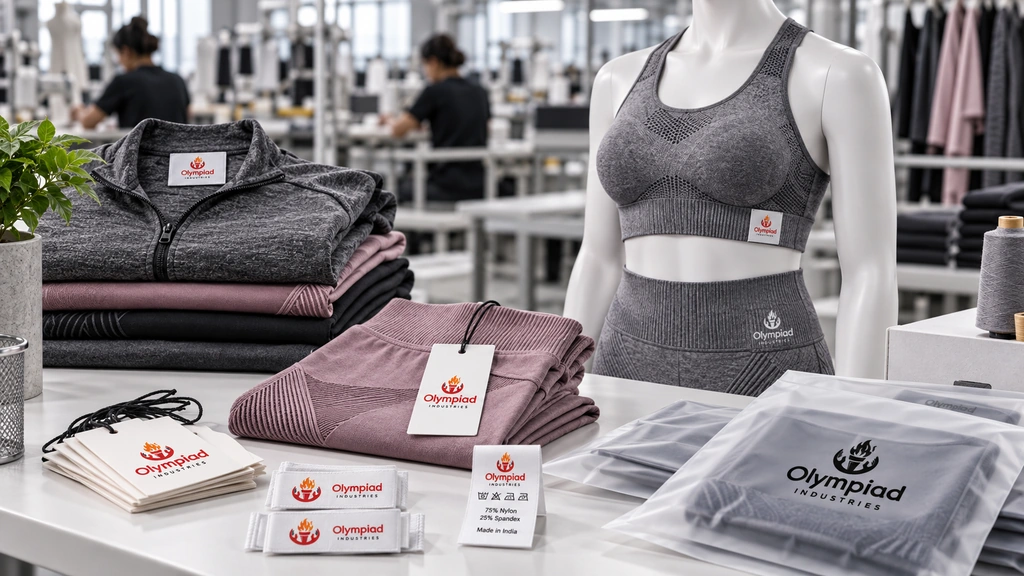
Both methods can produce excellent leggings.
Seamless leggings may be ideal when the brand wants:
- Sculpting
- Contour knitting
- Minimal seam appearance
- Engineered compression
Cut-and-sew leggings may be better when the design requires:
- Pockets
- Custom seam lines
- Multiple fabrics
- Specific waistband construction
- Strong pattern control
A gym-focused fashion brand may prefer seamless contour leggings.
A technical running brand may prefer cut-and-sew leggings with pockets, mesh panels, and reflective details.
The correct choice depends on the product concept.
Also read: Custom Leggings Manufacturing Guide for Brands & Teams
Which Method Is Better for Sports Bras?
Seamless sports bras can provide:
- Smooth comfort
- Reduced seams
- Integrated ribbing
- Flexible support zones
They can work well for yoga, studio use, and certain gym applications.
Cut-and-sew sports bras allow greater control over:
- Strap shape
- Cup construction
- Padding
- Mesh
- Multiple fabrics
- Support panels
For higher-support sports bras, cut-and-sew construction may provide more options for structural engineering.
For softer low- to medium-support products, seamless can be very effective.
Which Method Is Better for Compression Wear?
Seamless manufacturing is particularly attractive for compression wear because the machine can create targeted compression zones.
This can provide a smooth technical appearance.
Cut-and-sew compression garments can also perform very well using:
- Dense stretch fabric
- Negative ease
- Reinforced seams
The choice depends on whether compression needs to be:
- Uniform
- Zoned
- Highly customized
For highly engineered compression maps, seamless may offer an advantage.
For products requiring detailed panels or branding, cut-and-sew may be more practical.
Which Method Is Better for Gym T-Shirts?
Gym T-shirts are more commonly produced using cut-and-sew manufacturing because this method supports a wide range of:
- Fabrics
- Fits
- Sleeves
- Mesh panels
- Printing methods
Seamless gym tops are also available, especially when brands want:
- Body mapping
- Ventilation zones
- Compression fit
A relaxed oversized gym shirt does not usually require seamless technology.
A fitted performance top may benefit more from it.
Which Method Is Better for Training Shorts?
Training shorts are generally better suited to cut-and-sew manufacturing.
Shorts often require:
- Waistband
- Drawcord
- Pockets
- Inner lining
- Zippers
- Multiple panels
These features are easier to integrate through cut-and-sew construction.
Seamless-style shorts can still be produced for fitted gym or cycling-style products, but traditional training shorts usually need greater structural flexibility.
Seamless Activewear Advantages
Seamless activewear can provide a highly technical and premium product experience.
Its strongest advantages are connected to integrated knit engineering.
Potential benefits include:
- Fewer seams
- Smooth feel
- Body contouring
- Zoned compression
- Ventilation zones
- Strong stretch
- Modern visual appearance
It can be especially effective for:
- Leggings
- Sports bras
- Compression products
- Fitted gym sets
For brands focused on sculpting and body-mapped design, seamless manufacturing can be an excellent option.
Seamless Activewear Limitations
Seamless manufacturing also has practical limitations.
Specialized machinery can increase:
- MOQ
- Development complexity
- Setup requirements
Designs may also be limited by what can be produced through the specific knitting system.
Products requiring:
- Large pockets
- Multiple unrelated fabrics
- Complex panel shapes
- Heavy embroidery
may be more difficult.
Brands should also understand that “seamless” does not always mean absolutely no stitching.
Some finishing seams may still be required.
Cut-and-Sew Activewear Advantages
Cut-and-sew manufacturing provides strong flexibility.
Brands can control:
- Fabric
- Pattern
- Fit
- Panels
- Pockets
- Seams
- Branding
This makes it suitable for a very broad range of activewear products.
It can also be easier for startups to modify designs because changes can be made directly to:
- Pattern
- Fabric
- Construction
Cut-and-sew is especially useful when the brand wants a unique silhouette or functional features rather than a knit-engineered look.
Cut-and-Sew Activewear Limitations
Cut-and-sew garments generally contain more seams.
Poorly designed seams can create:
- Friction
- Bulk
- Visual interruption
The method also requires more individual production stages, which can increase labor.
Fit quality depends heavily on:
- Pattern accuracy
- Fabric selection
- Stitching
A poor pattern or weak seam construction can quickly reduce product quality.
However, these problems can be controlled through strong sampling and quality assurance.
When a Startup Brand Should Choose Seamless
Seamless manufacturing can make sense for a startup when the brand concept is built around products such as:
- Sculpting leggings
- Ribbed fitness sets
- Compression tops
- Seamless sports bras
The visual and technical identity of the collection should justify the manufacturing method.
Startups should confirm:
- MOQ
- Sampling cost
- Yarn options
- Color minimums
- Development lead time
before committing.
A seamless launch is most practical when the brand intends to sell enough volume to support the production requirements.
When a Startup Brand Should Choose Cut-and-Sew
Cut-and-sew can be especially suitable for startups that want:
- Lower development complexity
- More fabric choices
- Smaller initial runs
- Pockets
- Custom panels
- Flexible branding
It also allows the brand to test different fabrics more easily.
A startup developing leggings, training tops, and shorts may find it easier to produce a coordinated first collection through cut-and-sew methods.
This can reduce the need to work with multiple specialized production systems during the initial launch.
Also read: How to Start an Activewear Brand: Complete Step-by-Step Guide
Can Seamless and Cut-and-Sew Be Used in the Same Collection?
Yes.
A brand does not need to choose only one manufacturing method for every product.
A collection might include:
- Seamless leggings
- Seamless sports bra
- Cut-and-sew training T-shirt
- Cut-and-sew shorts
- Cut-and-sew jacket
This approach allows each garment to use the production method that best suits its function.
The most important issue is visual consistency.
The collection should still feel connected through:
- Colors
- Branding
- Product styling
- Packaging
Using multiple manufacturing methods can actually strengthen the range when each method is used deliberately.
Common Mistakes Brands Make When Choosing a Manufacturing Method
One common mistake is choosing seamless simply because the term sounds more premium.
Another is assuming cut-and-sew is always less technical.
Both methods can produce high-quality or low-quality products depending on execution.
Other mistakes include:
- Ignoring MOQ
- Choosing based only on price
- Not considering product function
- Using seamless for designs that require too many added components
- Using cut-and-sew when the desired contour effect depends on engineered knit zones
- Skipping physical samples
- Failing to test opacity
- Not checking stretch recovery
The manufacturing method should support the product concept rather than become a marketing decision.
Questions to Ask an Activewear Manufacturer
Before choosing between seamless and cut-and-sew production, brands should ask detailed questions.
Useful questions include:
- Do you manufacture both seamless and cut-and-sew activewear?
- Which products are best suited to each method?
- What are the MOQ requirements?
- What yarns or fabrics are available?
- Can you develop custom compression zones?
- Can cut-and-sew products include custom pockets?
- What branding methods are available?
- Can you provide private labels?
- How long does sampling take?
- What is the bulk production lead time?
- Can colors be customized?
- How is opacity tested?
- Can you produce men’s and women’s fits?
- What quality-control checks are performed?
- Can both methods be used within the same collection?
A manufacturer should be able to explain why one method may be more appropriate for a specific product.
How Olympiad Industries Approaches Activewear Construction
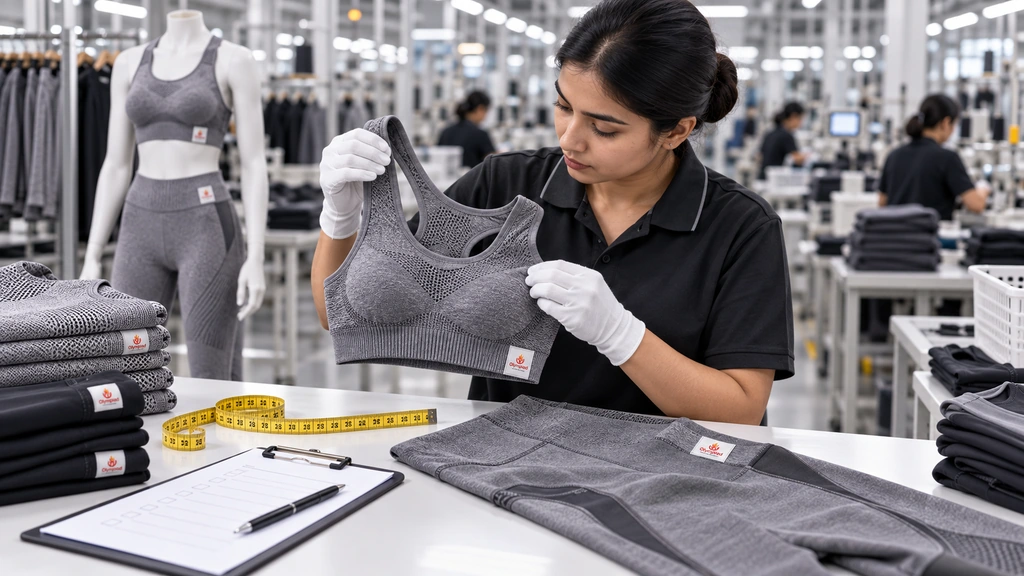
Olympiad Industries develops custom and private-label activewear for brands, startups, fitness businesses, retailers, distributors, and other B2B buyers.
The manufacturing approach can be selected according to the product requirements rather than applying the same construction system to every garment.
Projects may begin from:
- Tech packs
- Reference images
- Existing garments
- Sketches
- Measurement charts
- Buyer specifications
Product Evaluation
The first stage is to understand:
- Product type
- Intended activity
- Fit
- Fabric
- Compression
- Design
- Quantity
This helps determine whether the garment is better suited to a seamless-style or cut-and-sew development approach.
Material Selection
For cut-and-sew activewear, material options may include:
- Nylon-spandex
- Polyester-spandex
- Mesh
- Interlock
- Rib
- Other performance fabrics
Material choice is evaluated according to:
- Stretch
- Recovery
- GSM
- Opacity
- Breathability
- Intended use
Pattern and Construction Development
Cut-and-sew products can be developed using patterns based on buyer-specific measurements and fit requirements.
Construction may include:
- Panels
- Waistbands
- Gussets
- Pockets
- Mesh inserts
Sampling
Samples allow buyers to evaluate:
- Fit
- Stretch
- Compression
- Opacity
- Seams
- Branding
Required changes can be documented before bulk production.
Branding and Private Labeling
Depending on product requirements, branding can include:
- Heat transfer
- Screen printing
- Sublimation
- Embroidery where appropriate
Private-label components can include:
- Main labels
- Care labels
- Size labels
- Hang tags
- Custom packaging
Quality Control
Finished products can be checked for:
- Measurements
- Fabric
- Stitching
- Stretch
- Opacity
- Branding
- Labels
- Finishing
The inspection method should reflect the garment’s actual construction and performance requirements.
Packing
Approved garments can be prepared according to:
- Ecommerce
- Retail
- Wholesale
- Other B2B requirements
Packaging can include individual bags, size identification, hang tags, and custom branding.
Also read: Private Label Activewear Manufacturing: Complete Brands Guide
FAQs About Seamless vs Cut-and-Sew Activewear
Is seamless activewear better than cut-and-sew?
Neither is universally better. Seamless is strong for integrated compression, body contouring, and reduced seams, while cut-and-sew provides greater freedom for fabrics, patterns, pockets, and construction.
Are seamless leggings really seam-free?
Not always. Many seamless leggings have fewer traditional seams but may still require finishing seams or crotch assembly.
Which method is better for leggings?
Seamless can be excellent for sculpting and engineered compression. Cut-and-sew is often better for pockets, custom seam lines, multiple fabrics, and precise pattern control.
Is seamless activewear more expensive?
It can have higher setup and development requirements because specialized knitting machinery is used. Actual cost depends on design, quantity, yarn, branding, and production scale.
Does seamless activewear have a higher MOQ?
Often, but not always. Specialized machine setup and yarn requirements can result in higher minimum quantities. MOQ should be confirmed with the manufacturer.
Can cut-and-sew activewear be premium?
Yes. High-quality fabric, accurate patterns, flat seams, strong stitching, and careful fit development can produce premium cut-and-sew activewear.
Which method is more comfortable?
Both can be comfortable. Seamless reduces traditional seams, while cut-and-sew can use flatlock and other low-profile stitching methods.
Is seamless better for compression?
Seamless can create targeted knit compression zones. Cut-and-sew can also provide strong compression through fabric selection and pattern engineering.
Can seamless garments include branding?
Yes. Heat transfer, printed branding, woven details, and other suitable methods can be used depending on fabric and product structure.
Can a collection contain both seamless and cut-and-sew products?
Yes. Many activewear collections use different manufacturing methods for different product categories.
Conclusion (Seamless vs Cut-and-Sew Activewear)
Seamless and cut-and-sew manufacturing are both valuable activewear production methods, but they solve different design and performance problems.
Seamless manufacturing is particularly effective when a product requires body contouring, reduced seam lines, integrated ventilation, or targeted compression. This makes it well suited to products such as leggings, sports bras, fitted gym sets, and compression apparel.
Cut-and-sew manufacturing offers greater flexibility in fabric selection, pattern engineering, pockets, panels, seam placement, and mixed-material construction. It is suitable for nearly every activewear category, including leggings, training tops, shorts, jackets, and tracksuits.
Brands should therefore choose the production method based on the product rather than on the assumption that one method is automatically more premium.
The correct decision should consider:
- Intended activity
- Fit
- Fabric
- Compression
- Pockets
- Branding
- MOQ
- Cost
- Design complexity
- Production volume
Sampling remains essential regardless of the manufacturing method. Fit, stretch, recovery, opacity, comfort, and quality should all be reviewed on the physical product before bulk manufacturing begins.
In many cases, the strongest activewear collection may use both approaches: seamless construction where knit engineering creates a real performance advantage, and cut-and-sew manufacturing where precise pattern and material control provide greater flexibility.
Olympiad Industries supports activewear brands, startups, fitness businesses, retailers, distributors, and other B2B buyers with product development, fabric selection, pattern making, sampling, construction planning, private labeling, branding, quality control, packaging, and bulk activewear manufacturing according to buyer-specific requirements.



Leave a Reply