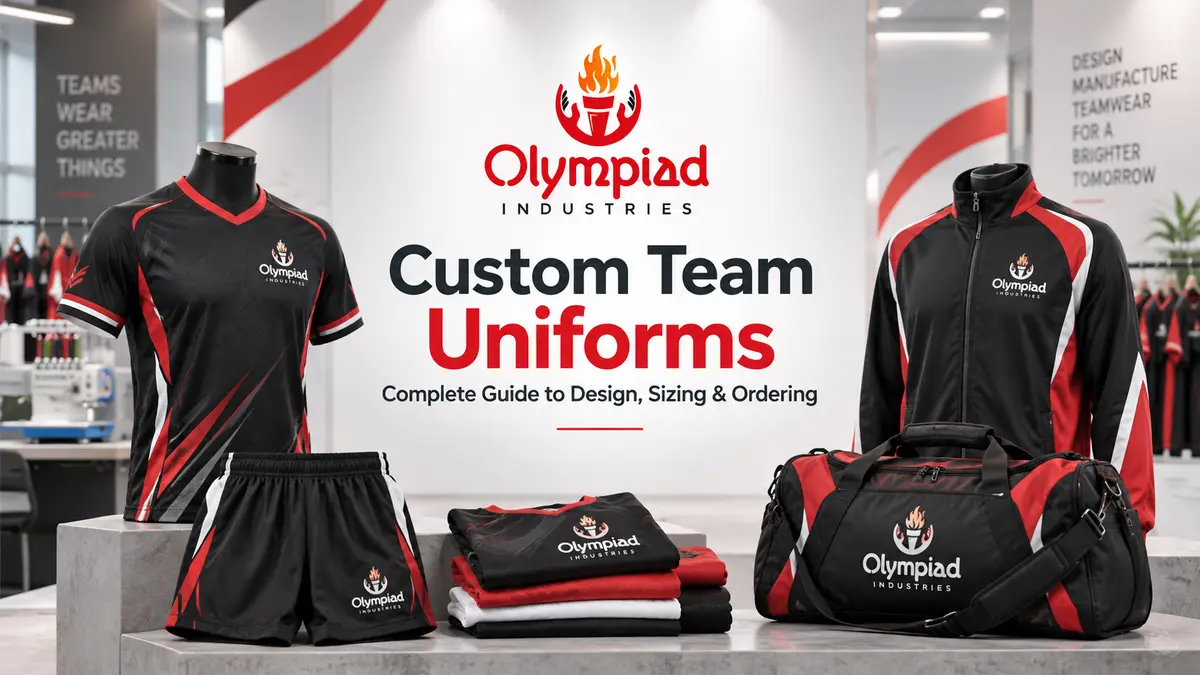

Custom team uniforms do much more than identify players on the field. A well-designed uniform can represent a club’s identity, create consistency across a squad, improve professional presentation, and provide athletes with garments suited to the demands of their sport.
However, ordering custom sports uniforms involves more than choosing colors and placing a logo on a jersey. Teams need to consider fabric, fit, sizing, artwork, names and numbers, sponsor placement, decoration methods, quantities, samples, production timelines, packaging, and delivery.
For clubs, academies, schools, leagues, and sports organizations, careful planning can reduce sizing mistakes, artwork problems, production delays, and unnecessary costs.
This guide explains the complete process of designing and ordering custom team uniforms, from the first concept to finished garments ready for players.
What Are Custom Team Uniforms?
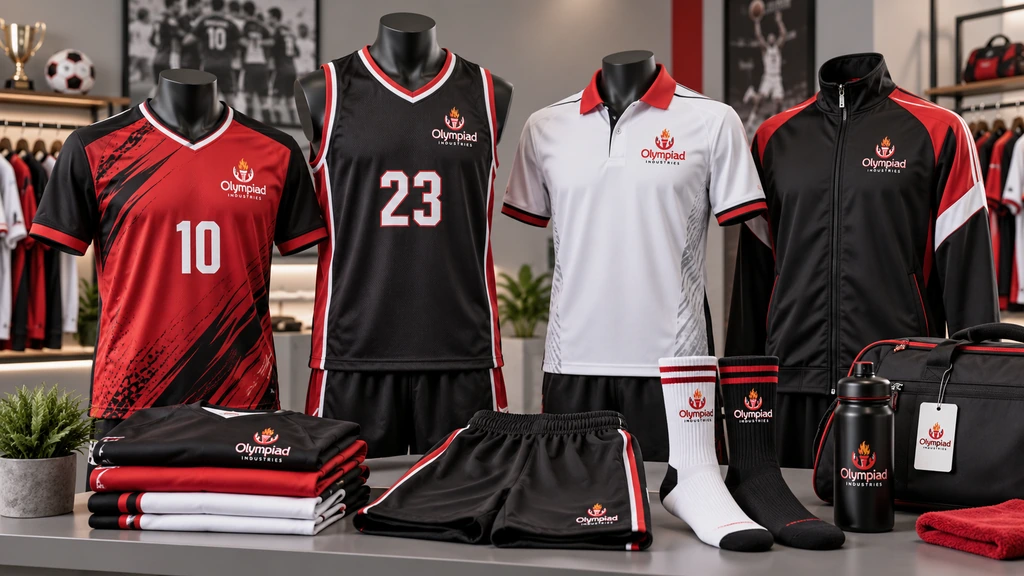
Custom team uniforms are sports garments manufactured according to the specific design, branding, sizing, and performance requirements of a team or organization.
Unlike standard ready-made uniforms, custom products can include:
- Team colors
- Club logos
- Sponsor logos
- Player names
- Player numbers
- Custom patterns
- Specific fabrics
- Custom measurements
- Matching shorts
- Goalkeeper designs
- Warm-up apparel
- Staff clothing
Depending on the sport, a complete uniform program may include much more than the match jersey.
A team may also require:
- Shorts
- Socks
- Tracksuits
- Training shirts
- Jackets
- Polo shirts
- Hoodies
- Travel wear
Custom manufacturing allows these items to follow a consistent visual identity.
Also read: Best Fabrics for Sportswear: Guide for Brands & Teams
Why Teams Choose Custom-Made Uniforms
Teams often choose custom uniforms because standard stock apparel cannot always provide the required combination of design, branding, sizing, and personalization.
Custom manufacturing gives buyers greater control over:
- Colors
- Artwork
- Fabric
- Fit
- Logo placement
- Player details
- Product range
- Packaging
This is especially valuable for teams that want a distinctive identity.
A custom uniform can help create visual consistency across:
- Match day
- Training
- Warm-ups
- Travel
- Coaching staff
- Support staff
For clubs and academies, this consistent identity can also strengthen how the organization is presented to players, supporters, sponsors, and partners.
Start With Your Team’s Requirements
Before requesting a quotation or design, collect the essential project information.
Important details include:
- Sport
- Product type
- Quantity
- Number of players
- Size range
- Team colors
- Logo files
- Sponsor artwork
- Names and numbers
- Delivery date
- Destination
- Budget
- Additional garments
For example, instead of simply requesting “30 football kits,” a clearer specification might include:
- 30 jerseys
- 30 shorts
- Sizes S–XXL
- Individual names and numbers
- Club logo
- Two sponsor logos
- Black, red, and white color scheme
- Sublimated design
- Delivery destination
Clear information helps the manufacturer prepare a more accurate design, production plan, and quotation.
Choose the Right Uniform Style
The uniform style should reflect both the sport and the identity of the team.
Possible directions include:
- Traditional
- Modern
- Minimal
- Bold graphic
- Geometric
- Gradient
- Retro-inspired
- Professional club style
Teams should consider whether they want:
- A clean long-term design
- A seasonal design
- Different home and away styles
- Matching training apparel
The visual design should not interfere with important functional elements such as ventilation, movement, or number visibility.
Selecting the Best Fabric
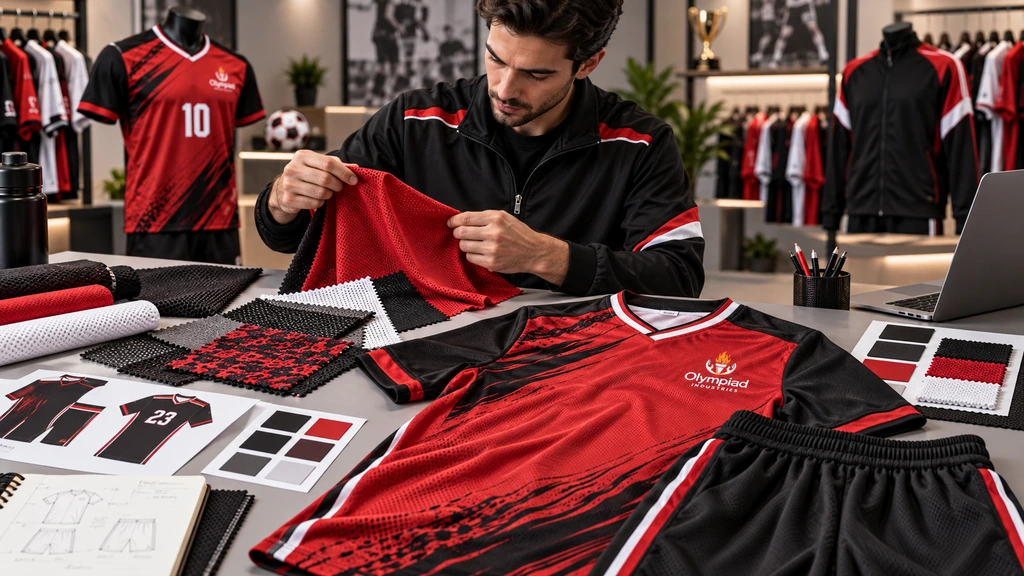
Fabric is one of the most important decisions in custom teamwear.
The correct material depends on:
- Sport
- Climate
- Intensity of activity
- Garment type
- Decoration method
- Required durability
Common sportswear materials include:
- Polyester interlock
- Polyester mesh
- Bird-eye fabric
- Micro polyester
- Stretch polyester
- Polyester-spandex blends
- Tricot
- Fleece for warm-up garments
Match uniforms often prioritize:
- Breathability
- Lightweight construction
- Moisture management
- Quick drying
Travel jackets and tracksuits may require more structure and warmth.
Teams should evaluate fabric according to the actual use of each garment.
Understanding Fabric GSM
GSM means grams per square meter and refers to fabric weight.
A lower GSM generally indicates a lighter fabric, while a higher GSM means a heavier material.
However, heavier does not automatically mean better.
A lightweight performance jersey may be more suitable for competition than a heavier fabric.
When choosing GSM, consider:
- Sport
- Climate
- Durability
- Fit
- Product category
- Desired feel
Teams should compare both GSM and fabric construction rather than selecting material based on weight alone.
Choosing Team Colors
Color is central to team identity.
Uniform colors may be based on:
- Club branding
- School colors
- Sponsor requirements
- League traditions
- Existing uniforms
Teams should provide clear references for important colors.
These may include:
- Digital color references
- Standard color codes
- Existing garment samples
- Approved artwork
Color consistency is especially important when ordering additional uniforms later.
Approved color references should therefore be kept for repeat orders.
Creating a Custom Uniform Design
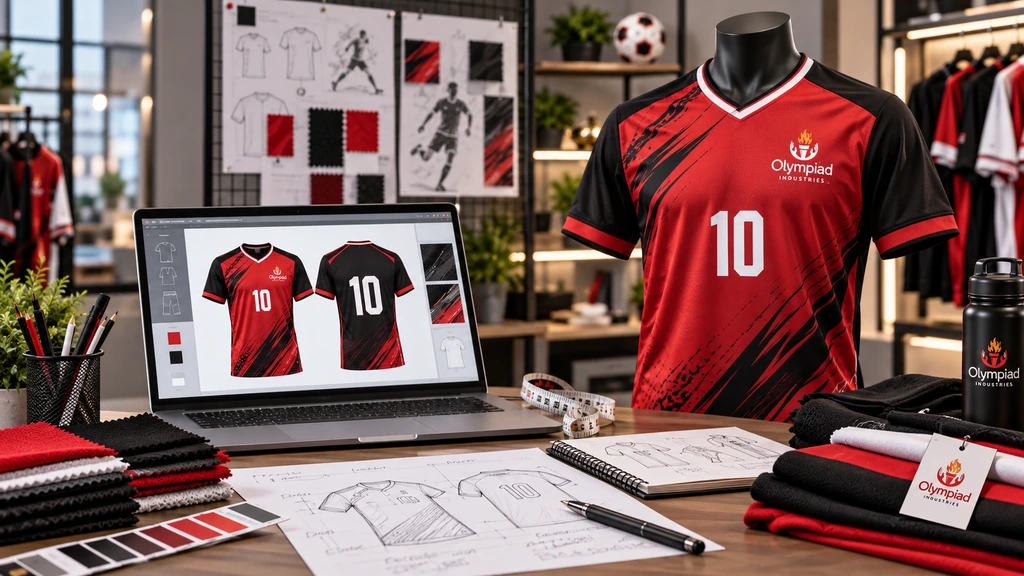
A custom design can begin from:
- A sketch
- Reference image
- Existing uniform
- Digital mockup
- Tech pack
- Written instructions
The design process may include decisions about:
- Main colors
- Secondary colors
- Patterns
- Panels
- Collar style
- Sleeve details
- Side graphics
- Logo placement
- Number placement
The design should balance branding with practicality.
Very busy artwork can sometimes reduce the visibility of numbers, names, or sponsor logos.
Adding Club and Team Logos
The team logo is usually one of the most important visual elements.
Common positions include:
- Left chest
- Center chest
- Sleeve
- Shorts
- Trouser leg
- Jacket chest
Logo size should be proportionate to the garment.
Teams should provide high-quality artwork whenever possible.
Preferred files may include:
- Vector artwork
- High-resolution PNG
- High-quality PDF
Low-resolution screenshots can make accurate reproduction more difficult.
Sponsor Logo Placement
Many clubs need sponsor branding on their uniforms.
Common sponsor positions include:
- Center chest
- Upper chest
- Sleeves
- Back
- Shorts
Before production, confirm:
- Logo size
- Position
- Color
- Number of sponsors
- Priority between sponsors
Sponsors may also have specific brand guidelines.
Teams should provide approved artwork rather than allowing the manufacturer to recreate logos from poor-quality online images.
Player Names and Numbers
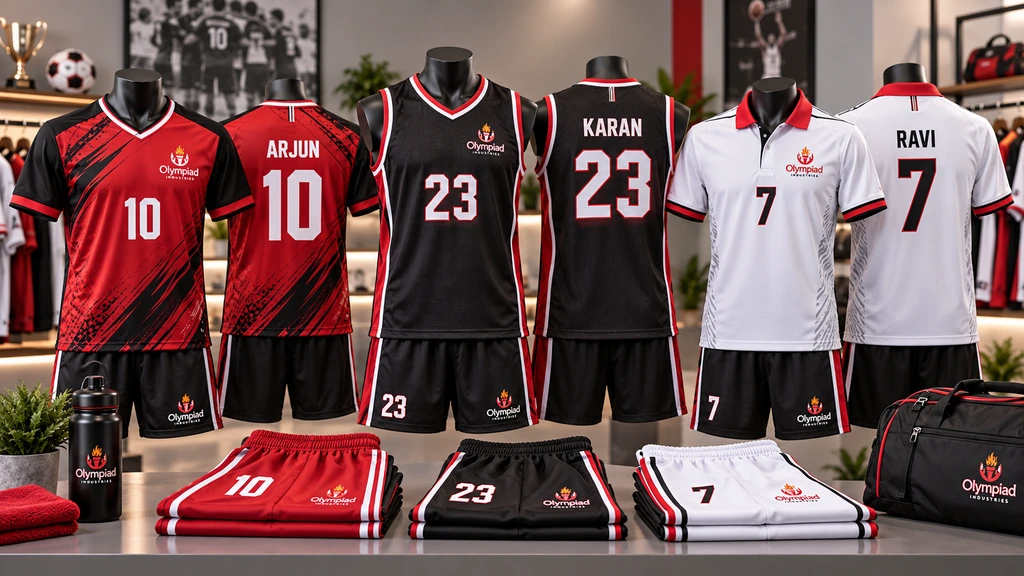
Player personalization is an important part of teamwear manufacturing.
A team order may include:
- Different player names
- Different numbers
- Same number style
- Same name font
- Different sizes
To reduce mistakes, provide player information in a structured list.
For example:
| Player | Size | Name | Number |
|---|---|---|---|
| Player 1 | M | ADAM | 10 |
| Player 2 | L | JAMES | 7 |
| Player 3 | XL | DANIEL | 21 |
The final list should be checked carefully before production.
Incorrect spelling or numbers can be difficult to correct after garments are personalized.
Sublimation for Team Uniforms
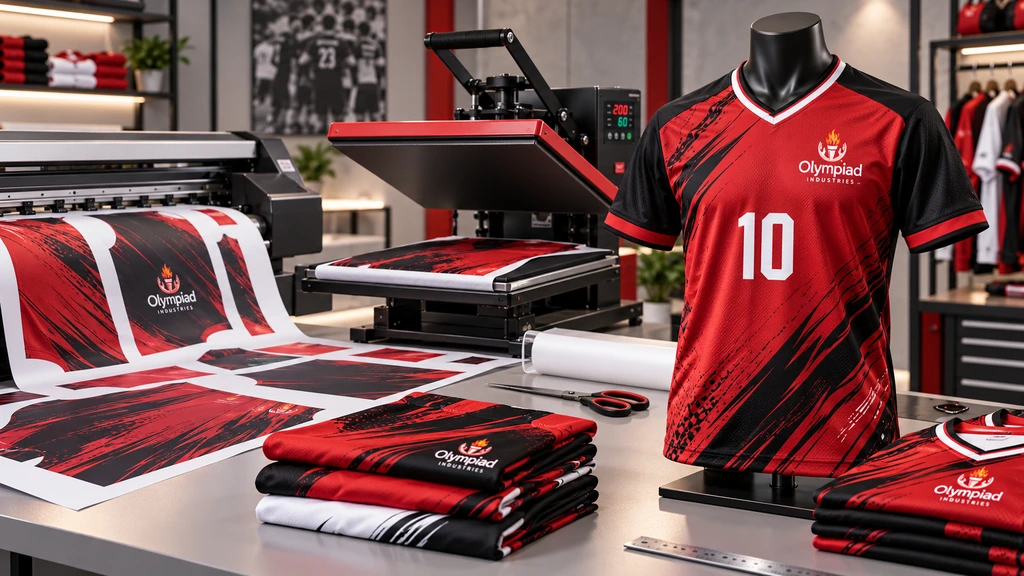
Sublimation is widely used for custom polyester sports uniforms.
It allows:
- Full-color graphics
- Team patterns
- Sponsor logos
- Names
- Numbers
- Gradients
- Complex artwork
The design becomes part of the polyester fabric rather than forming a heavy surface layer.
This makes sublimation especially suitable for:
- Football kits
- Basketball uniforms
- Rugby kits
- Cycling apparel
- Training jerseys
It also allows multiple design elements to be integrated into one printed garment.
Embroidery for Teamwear
Embroidery is commonly used when teams want a premium stitched appearance.
Suitable applications may include:
- Club crests
- Polo shirts
- Jackets
- Tracksuits
- Hoodies
- Staff apparel
Embroidery may be less suitable for very lightweight match jerseys if the logo is large or dense.
For these garments, sublimation or another lightweight method may be more appropriate.
Heat Transfer for Names and Numbers
Heat transfer is often used for:
- Player names
- Numbers
- Sponsor logos
- Small graphics
It can be useful when personalization is added after the garment is manufactured.
This makes it practical for:
- Replacement players
- Small repeat orders
- Different names
- Different numbers
The transfer material should be compatible with the fabric and expected movement of the garment.
Choosing the Right Size Range
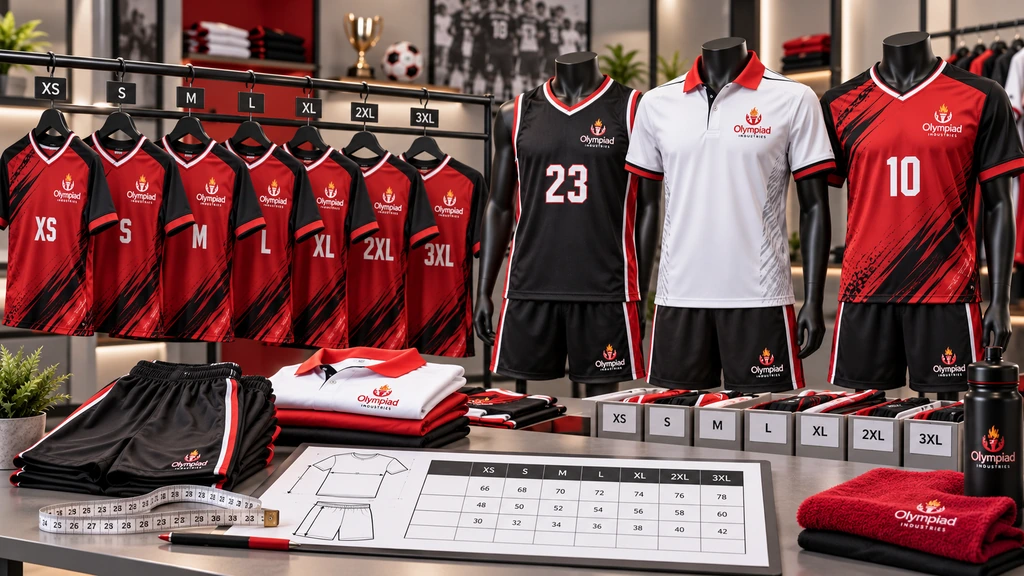
Sizing should be planned before production begins.
Possible ranges may include:
- Youth sizes
- Adult XS–XXL
- Extended sizes
- Women-specific sizing
Teams should avoid assuming that the same size label fits identically across all manufacturers.
An approved measurement chart is more reliable.
Important measurement points can include:
- Chest
- Body length
- Shoulder
- Sleeve
- Waist
- Hip
- Inseam
How to Prepare a Team Size List
Create a final player list before submitting the order.
Include:
- Player name
- Garment size
- Number
- Printed name
- Position if relevant
- Special requirements
This should be checked by the team manager or responsible organizer.
Changes after production starts can create delays or additional charges.
A structured spreadsheet is often better than sending sizes across multiple messages.
Men’s, Women’s and Kids’ Team Sizing
Teams may require different fits for different groups.
Men’s Teamwear
Common considerations include:
- Chest width
- Body length
- Shoulder fit
Women’s Teamwear
Women-specific patterns may use:
- Different chest proportions
- Shaped waist
- Different garment length
- Different shoulder proportions
Kids’ Teamwear
Youth uniforms should consider:
- Age range
- Growth
- Comfort
- Easy movement
Where possible, use an approved size chart for each group rather than applying one pattern to everyone.
Goalkeeper and Position-Specific Uniforms
Some sports require special garments for particular positions.
Football goalkeeper kits, for example, may differ from outfield uniforms in:
- Color
- Sleeve design
- Padding
- Fit
- Fabric
- Number placement
Other sports may have:
- Libero jerseys
- Captain variations
- Officials’ clothing
- Position-specific colors
These requirements should be identified before artwork approval.
Home, Away and Alternate Kits
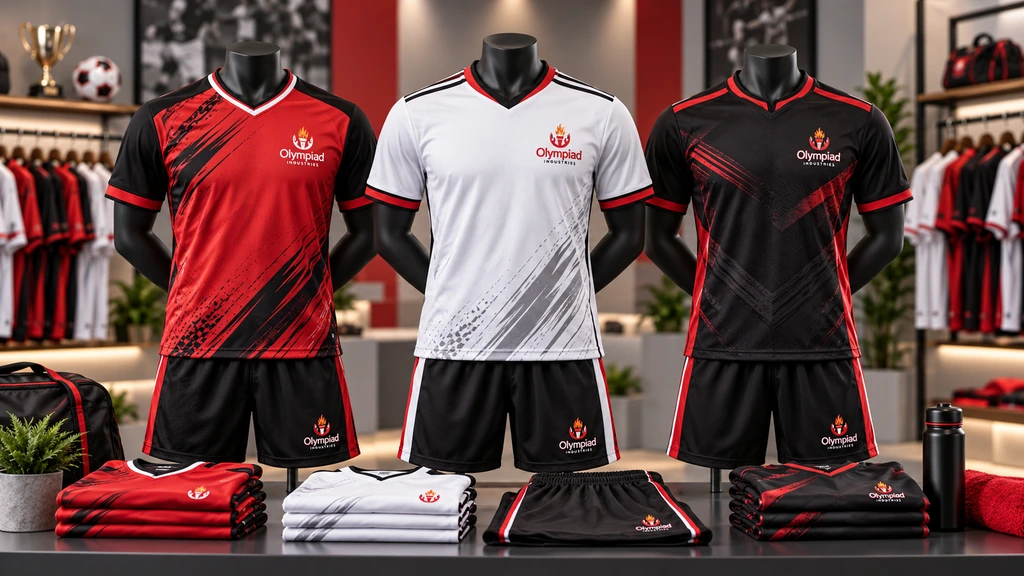
Many teams require more than one uniform design.
Common options include:
- Home kit
- Away kit
- Third kit
- Training kit
The designs should be visually different enough to prevent color conflicts.
Teams may also use a consistent design language across all versions.
For example, the same pattern can be used with different dominant colors.
Ordering Jerseys Only vs Complete Kits
Some teams require only jerseys, while others need complete sets.
A complete kit may include:
- Jersey
- Shorts
- Socks
Ordering complete coordinated sets can create a more professional appearance.
Teams should clarify whether pricing refers to:
- Jersey only
- Jersey and shorts
- Full uniform set
This prevents confusion when comparing quotations.
Custom Shorts and Matching Bottoms
Shorts should coordinate with the jersey but also function well during play.
Important considerations include:
- Fabric
- Waistband
- Drawcord
- Length
- Side panels
- Logo placement
- Number placement
Some teams prefer sublimated shorts matching the jersey.
Others may prefer simpler solid-color bottoms.
The choice should reflect both design and performance.
Team Tracksuits and Warm-Up Wear
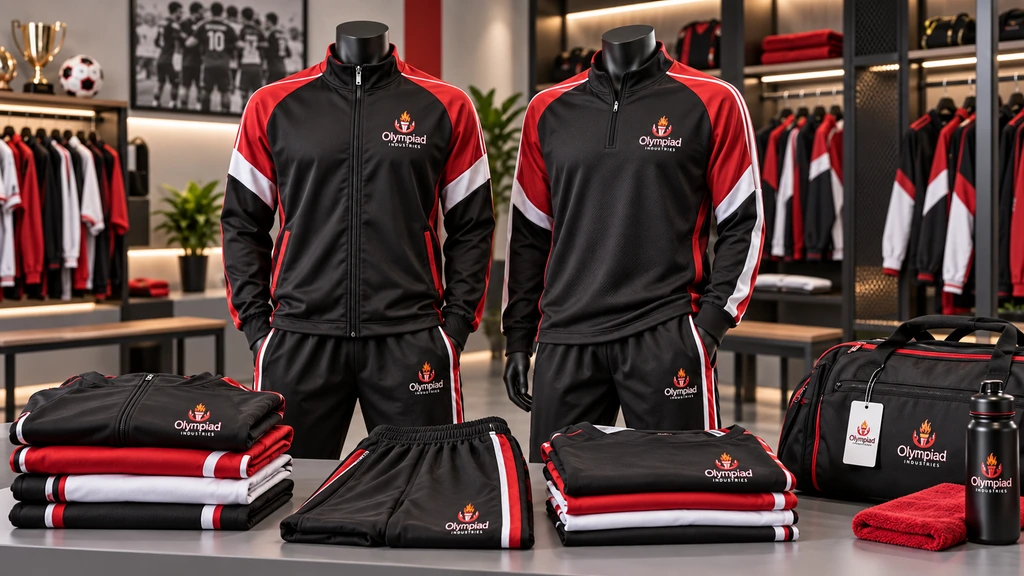
Teamwear often extends beyond match uniforms.
Tracksuits are useful for:
- Warm-ups
- Travel
- Training
- Team presentation
Customization may include:
- Team logo
- Player initials
- Sponsor branding
- Custom colors
- Matching jacket and trousers
Tracksuits can help maintain a consistent club identity outside competition.
Sports Jackets and Travel Wear
Sports jackets can be useful for:
- Coaches
- Players
- Travel
- Outdoor training
- Cold weather
Options may include:
- Lightweight jackets
- Windbreakers
- Warm-up jackets
- Insulated jackets
Decoration can include:
- Embroidery
- Heat transfer
- Printed branding
The right material depends on climate and intended use.
Polo Shirts and Staff Apparel
Coaches and staff may require more formal teamwear.
Popular choices include:
- Polo shirts
- Tracksuits
- Jackets
- Hoodies
- T-shirts
Embroidery is frequently used on polo shirts because it provides a clean, professional appearance.
Staff clothing can also include:
- Role identification
- Sponsor logos
- Club crest
This helps create a unified appearance throughout the organization.
Requesting and Approving a Sample
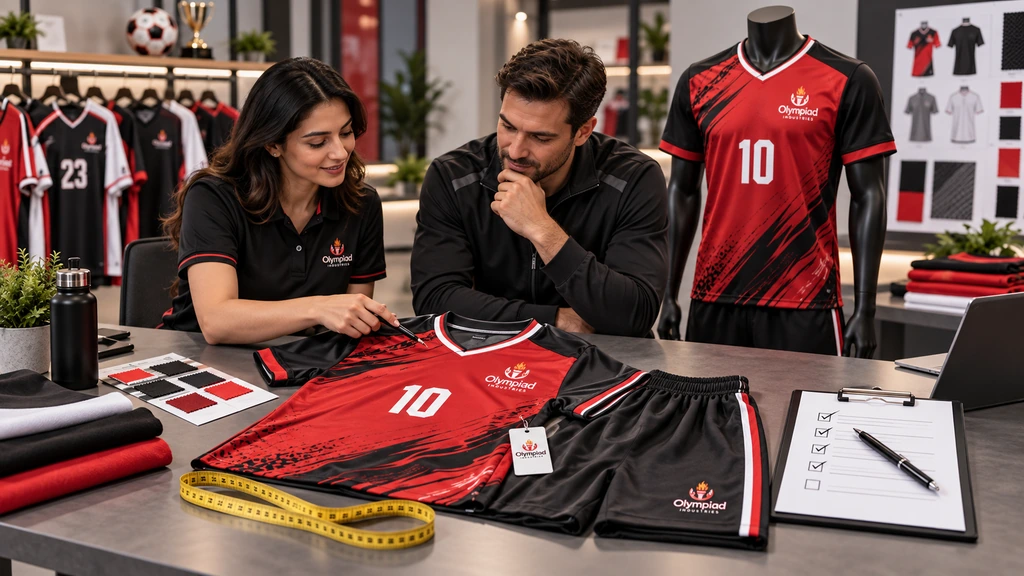
Sampling is one of the most important steps before bulk production.
A physical sample allows the team to check:
- Fabric
- Fit
- Measurements
- Colors
- Logo size
- Logo placement
- Numbers
- Names
- Stitching
- Overall appearance
If changes are needed, they should be documented clearly.
Bulk production should begin only after the important specifications have been approved.
What to Check on a Team Uniform Sample
When reviewing a sample, examine:
- Is the fabric suitable?
- Does the uniform fit correctly?
- Are team colors accurate?
- Is the logo clear?
- Are sponsor logos positioned correctly?
- Are the numbers easy to read?
- Is the stitching clean?
- Are shorts comfortable?
- Does the design allow movement?
If possible, have a player try the sample during movement rather than evaluating it only on a table.
Minimum Order Quantity
MOQ means Minimum Order Quantity.
Manufacturers may set different MOQs depending on:
- Product
- Fabric
- Printing method
- Custom labels
- Packaging
Teams should confirm whether the MOQ applies to:
- Total order
- Each design
- Each color
- Each product
For example, a manufacturer may accept a total order quantity across several sizes but require a minimum number for each design.
What Affects Team Uniform Pricing?
Pricing can depend on:
- Fabric
- GSM
- Quantity
- Jersey only or complete kit
- Sublimation
- Embroidery
- Names
- Numbers
- Sponsor logos
- Custom labels
- Packaging
- Shipping
Larger orders may reduce the unit cost because setup expenses are spread across more garments.
However, teams should compare product specifications rather than price alone.
Also read: Custom Sportswear Manufacturing Cost: A Complete Pricing Guide
Production Lead Times
Production time can depend on:
- Quantity
- Fabric availability
- Design complexity
- Sampling
- Printing
- Embroidery
- Personalization
- Factory workload
Teams should plan uniforms well before:
- Season opening
- Tournament
- League registration
- School event
- Product launch
Leaving too little time can increase the risk of rushed decisions and expensive shipping.
Repeat Orders and Replacement Players
Teams often need additional uniforms later for:
- New players
- Replacement garments
- Size changes
- Damaged products
To make repeat orders easier, keep records of:
- Approved design
- Fabric
- Color
- Size chart
- Logo artwork
- Number font
- Name font
Ask the manufacturer whether small repeat quantities can be produced.
This can be especially important for clubs that add players throughout a season.
Packaging and Team Sorting
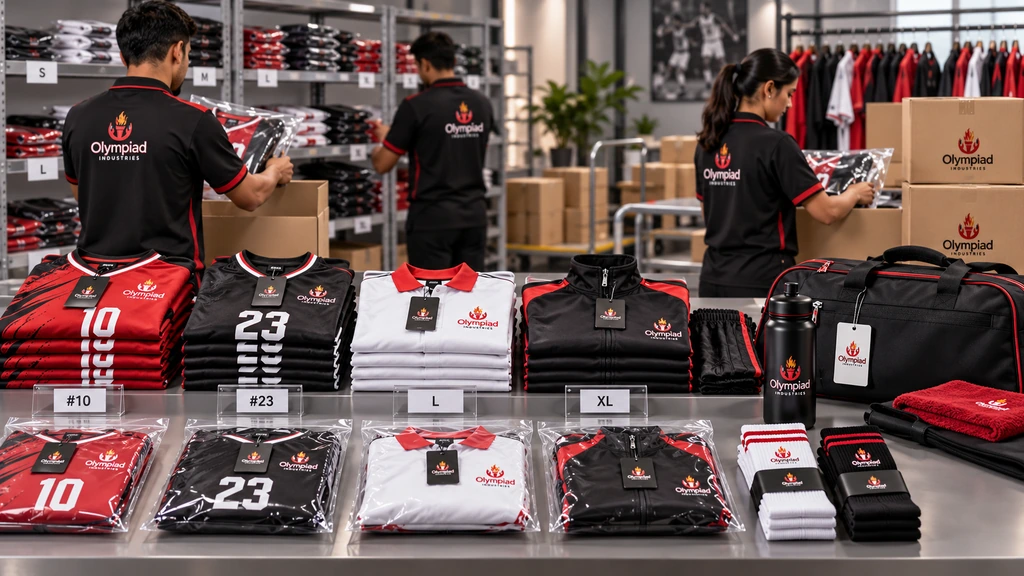
Large team orders become easier to distribute when garments are organized properly.
Packaging options may include:
- Individual bags
- Player-specific labels
- Size stickers
- Number identification
- Separate team cartons
For example, each player’s jersey and shorts can be packed together.
This saves time when distributing uniforms to a large squad.
Teams should request sorting requirements before packing begins.
International Shipping
International orders can be delivered using:
- Express courier
- Air freight
- Sea freight
The best option depends on:
- Quantity
- Weight
- Urgency
- Destination
- Budget
Smaller team orders often use courier or air delivery.
Large club, distributor, or league orders may have more shipping options.
Buyers should confirm whether the quotation includes shipping.
Common Team Uniform Ordering Mistakes
Several mistakes can create unnecessary problems.
Avoid:
- Submitting incomplete player lists
- Approving incorrect spellings
- Guessing sizes without a size chart
- Using low-resolution logos
- Changing artwork after production begins
- Ordering too close to a tournament
- Ignoring sample approval
- Forgetting goalkeeper kits
- Failing to confirm sponsor placement
- Comparing quotations without checking fabric specifications
- Forgetting replacement-player requirements
Careful planning before production is much easier than correcting mistakes later.
Questions to Ask Your Uniform Manufacturer
Before confirming an order, ask:
- Which fabrics do you recommend for our sport?
- What GSM is included?
- Can you produce our custom design?
- Can you match our team colors?
- Are names and numbers included?
- Can you add multiple sponsor logos?
- Do you provide samples?
- What size chart do you use?
- Can you manufacture men’s, women’s, and kids’ sizes?
- What is the MOQ?
- How long will production take?
- Can we reorder small quantities later?
- How will the uniforms be packed?
- Is shipping included?
- What decoration method is recommended?
These questions help establish clear expectations before production begins.
How Olympiad Industries Manufactures Custom Teamwear
Olympiad Industries develops custom team uniforms for clubs, academies, schools, sports organizations, teamwear businesses, and other B2B buyers.
Projects can begin from:
- Reference images
- Tech packs
- Sketches
- Existing uniforms
- Logos
- Measurement charts
- Buyer instructions
Depending on the project, customization can include:
- Fabrics
- GSM
- Team colors
- Patterns
- Sizing
- Logos
- Sponsor branding
- Player names
- Player numbers
- Sublimation
- Embroidery
- Heat transfer
- Labels
- Packaging
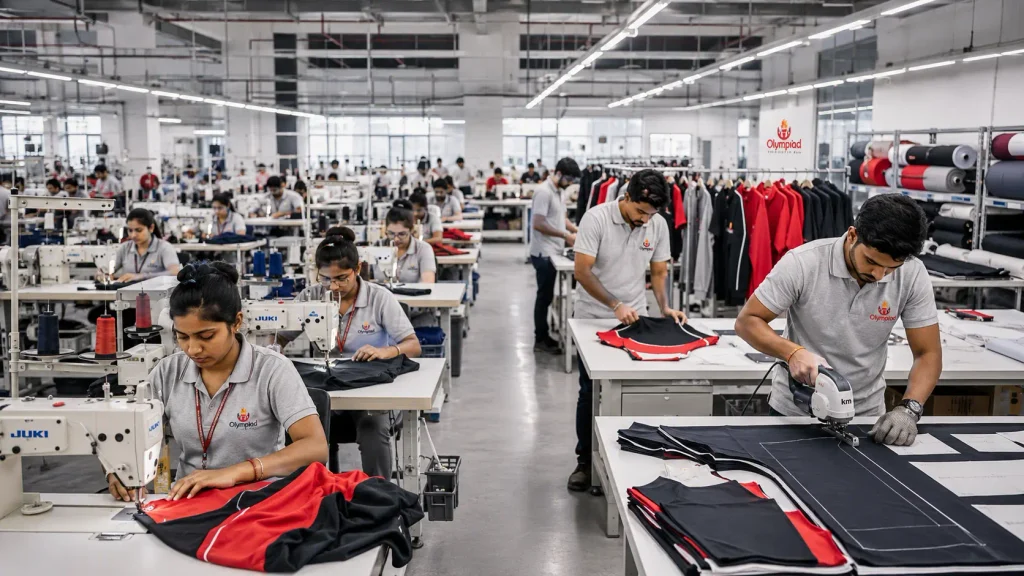
Our workflow connects the major manufacturing stages required to turn a team concept into finished apparel.
Also read: Sublimation vs Embroidery vs Screen Printing for Sportswear
Raw Materials
Appropriate fabrics, threads, trims, elastic, and other components are selected according to the product.
Pattern Making & Cutting
Patterns are prepared according to approved measurements and garment requirements.
Stitching
Garment components are assembled using construction suitable for the product.
Embellishment
Team artwork, logos, sponsor branding, names, numbers, sublimation, embroidery, or other decoration methods are applied according to the approved design.
Quality Check
Finished uniforms are reviewed for relevant details such as:
- Measurements
- Stitching
- Colors
- Logos
- Names
- Numbers
- Quantity
Tagging & Packing
Approved garments are prepared according to the team or buyer’s packing requirements before dispatch.
The objective is to produce teamwear that reflects the buyer’s identity while meeting the practical requirements of the sport.
FAQs About Custom Team Uniforms
What information do I need to order custom team uniforms?
You should provide the sport, quantity, sizes, colors, logos, sponsor artwork, player names, numbers, product requirements, delivery destination, and desired timeline.
What is the best fabric for team uniforms?
The best fabric depends on the sport. Polyester performance fabrics are commonly used for many team uniforms because they can provide lightweight performance, breathability, durability, and sublimation compatibility.
Can every player have a different name and number?
Yes. Custom team orders can include individual names and numbers when the player list is supplied accurately before production.
Should we order a sample first?
For fully customized uniforms, a sample is highly recommended. It allows the team to check fabric, sizing, colors, logos, artwork, and overall quality.
Can a team order different sizes in one production run?
Yes. Most team orders include a size breakdown across multiple sizes, subject to the manufacturer’s order requirements.
Can we order goalkeeper uniforms in a different design?
Yes. Goalkeeper kits can be produced in different colors or designs while maintaining the overall club identity.
Can we order matching tracksuits and jackets?
Yes. A complete teamwear program can include match uniforms, tracksuits, training wear, jackets, polo shirts, hoodies, and other products.
What is the best decoration method for team jerseys?
Sublimation is particularly suitable for polyester jerseys with full-color graphics, sponsor logos, names, and numbers. The best method still depends on the product and fabric.
How long does custom team uniform production take?
Lead time depends on design development, sampling, quantity, materials, decoration, and production capacity. Teams should request a project-specific timeline before ordering.
Can we reorder uniforms for new players later?
This depends on the manufacturer and quantity. Keeping approved artwork, measurements, colors, and fabric specifications can make repeat orders easier.
Also read: How to Choose a Custom Sportswear Manufacturer for Your Team
Conclusion (Custom Team Uniforms)
Ordering custom team uniforms successfully requires careful planning across design, fabric, sizing, personalization, sampling, production, and delivery.
Teams should begin by defining their requirements clearly, including the number of players, product types, colors, logos, sponsor artwork, names, numbers, and delivery schedule.
Fabric and fit should be selected according to the sport rather than appearance alone. Accurate size lists and approved artwork help reduce errors, while physical samples allow important details to be checked before bulk production.
Teams should also think beyond the first order. Keeping approved specifications makes it easier to manage replacement players, repeat orders, new seasons, and additional teamwear products.
A well-planned custom uniform program can create a consistent identity across match kits, training apparel, tracksuits, jackets, staff clothing, and travel wear.
Also read: Custom Sportswear Manufacturing Guide for Teams & Brands
Olympiad Industries manufactures custom team uniforms and sportswear for clubs, teams, academies, schools, retailers, distributors, and other B2B buyers, with products developed around buyer-specific fabrics, designs, colors, sizing, logos, names, numbers, branding, and packaging requirements.



Leave a Reply