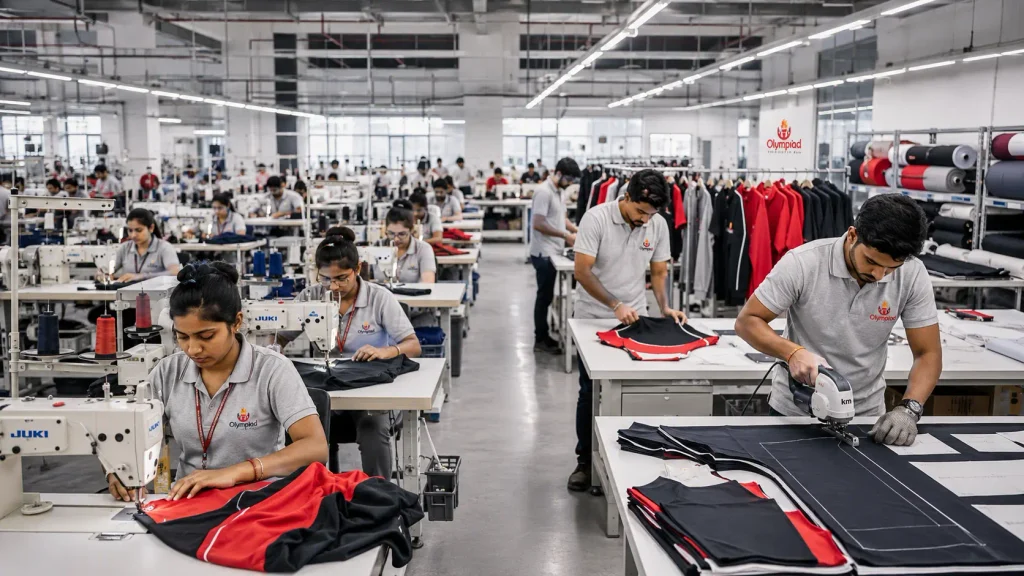

Starting a sportswear brand can be an exciting business opportunity, but success requires much more than creating a logo and ordering a few products. A strong sportswear business needs clear positioning, reliable manufacturing, well-developed products, consistent branding, accurate pricing, professional presentation, and a practical plan for reaching customers.
The sportswear market includes many different segments, from team uniforms and gym wear to activewear, running apparel, training clothes, athleisure, and private-label collections. Because of this variety, new brands need to decide where they want to compete and what makes their products different.
A startup can begin with a small focused collection and grow gradually. What matters most is building the right foundation before committing money to bulk production.
This guide explains how to start a sportswear brand step by step, from choosing a niche and developing products to finding a manufacturer, approving samples, calculating costs, launching your store, marketing your collection, and planning future growth.
What Does It Take to Start a Sportswear Brand?
Starting a sportswear brand usually requires several connected elements.
These may include:
- A clear target market
- A defined sportswear niche
- Brand name and identity
- Product concepts
- Fabric selection
- Designs
- Size charts
- Manufacturer sourcing
- Sampling
- Custom labels
- Packaging
- Pricing
- Website
- Product photography
- Marketing
- Shipping
- Customer service
The process becomes easier when each stage is planned in the correct order.
For example, it is usually better to define your target customer before choosing fabrics, because the intended customer influences product type, pricing, fit, design, and quality expectations.
Is Starting a Sportswear Brand Profitable?
A sportswear brand can become profitable, but profitability depends on much more than the selling price.
Important factors include:
- Product cost
- Shipping
- Import expenses
- Packaging
- Marketing
- Website expenses
- Payment processing
- Returns
- Warehousing
- Discounts
- Customer acquisition costs
A product with a large markup may still produce low profit if marketing and operational expenses are high.
New brands should therefore focus on gross margin and total business cost rather than only the difference between factory price and retail price.
Profitability also improves when a brand develops repeat customers, controls inventory carefully, and builds products that people want to reorder.
1. Choose Your Sportswear Niche
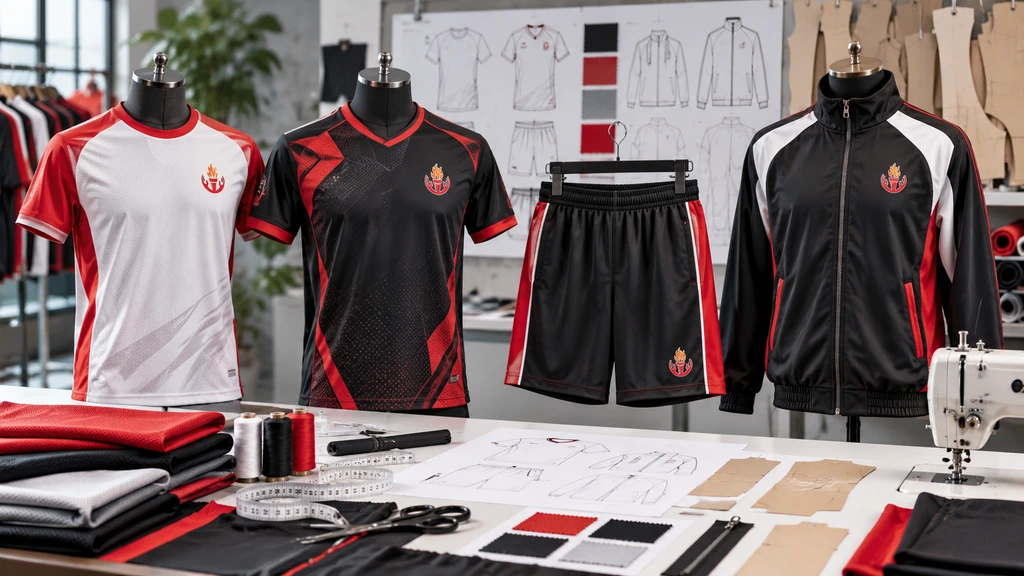
Trying to sell every type of sportswear from the beginning can make a new brand difficult to position.
A focused niche can make branding and marketing clearer.
Possible niches include:
- Football apparel
- Basketball teamwear
- Rugby kits
- Cricket uniforms
- Gym wear
- Activewear
- Running apparel
- Yoga clothing
- Compression wear
- Women’s fitness apparel
- Men’s training wear
- Kids’ sportswear
- Team uniforms
- Athleisure
- Premium sportswear
- Budget teamwear
- Custom club apparel
A brand can expand later, but the first collection should usually have a clear identity.
For example, a startup focused on custom teamwear might begin with jerseys, shorts, tracksuits, and training tops instead of adding leggings, sports bras, golf polos, and casual hoodies immediately.
2. Define Your Target Customer
A sportswear product should be developed for a specific type of customer.
Ask:
- Who will wear the product?
- What sport or activity do they participate in?
- What age group are they?
- What price range can they afford?
- Do they care more about performance, style, or price?
- Are they individual consumers or organizations?
- Which countries or regions will you target?
Potential customer groups include:
- Athletes
- Fitness enthusiasts
- Sports teams
- Clubs
- Schools
- Academies
- Gyms
- Coaches
- Retailers
- Distributors
A gym-focused fashion brand and a football teamwear supplier may both sell sportswear, but they need very different products and marketing strategies.
3. Research the Sportswear Market
Before manufacturing anything, study the market you want to enter.
Research can help you understand:
- Popular product categories
- Price ranges
- Customer expectations
- Design trends
- Fabric preferences
- Competitor positioning
- Common complaints
- Market gaps
Look at:
- Competitor websites
- Online marketplaces
- Sportswear stores
- Social media pages
- Customer reviews
- Fitness communities
- Teamwear suppliers
Pay particular attention to negative customer reviews.
They may reveal opportunities such as:
- Poor sizing
- Weak fabric
- Limited colors
- Slow delivery
- Low-quality printing
- Lack of customization
These problems can help you identify areas where your brand can improve.
4. Study Your Competitors
Competitor research should not be used to copy another brand.
The purpose is to understand how the market works.
Review competitors for:
- Product range
- Pricing
- Brand style
- Website design
- Product photography
- Packaging
- Social media content
- Delivery promises
- Customer reviews
Then identify how your brand can be different.
Possible differentiators include:
- Better customization
- More reliable sizing
- Lower MOQ
- Premium fabrics
- Stronger designs
- Faster sampling
- Better B2B support
- Custom packaging
- Specialized teamwear
A new brand needs a reason for customers to choose it.
5. Develop Your Brand Identity
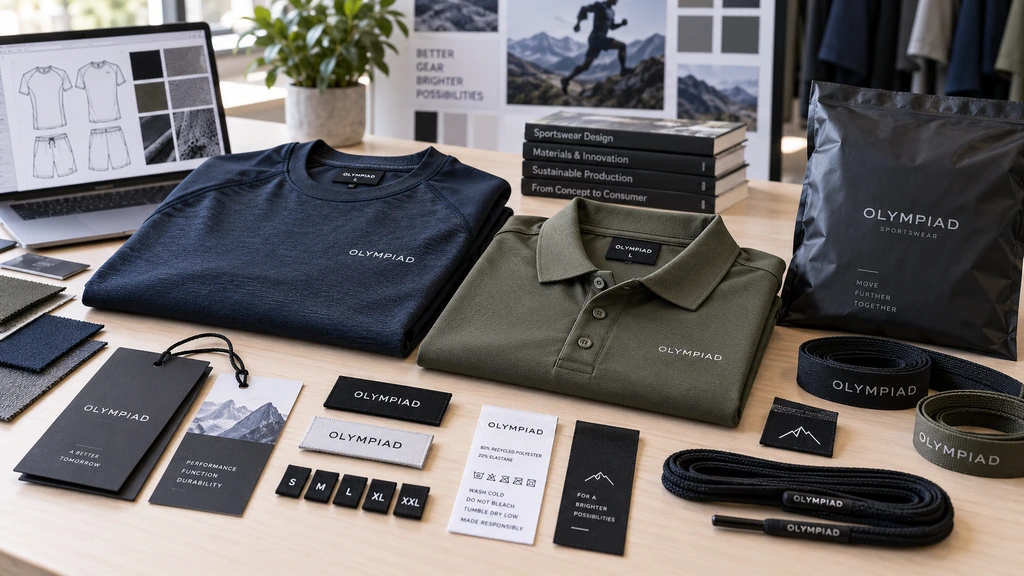
Brand identity is more than a logo.
It includes how the business looks, sounds, and presents itself.
Important elements include:
- Brand name
- Logo
- Colors
- Typography
- Brand message
- Tone of voice
- Packaging style
- Product design direction
A professional brand identity should feel consistent across:
- Website
- Social media
- Labels
- Hang tags
- Packaging
- Garments
- Marketing materials
Consistency helps make a new business look more established.
6. Choose Your Initial Product Range
New brands often make the mistake of launching too many products.
A smaller collection is easier to manage.
For example, a sportswear startup may begin with:
- Performance T-shirt
- Sports shorts
- Tracksuit
- Hoodie
A teamwear brand may start with:
- Football jersey
- Shorts
- Goalkeeper kit
- Training top
A women’s fitness brand may start with:
- Leggings
- Sports bra
- Training top
The best first collection should be focused enough to manage inventory while still giving customers meaningful choice.
7. Decide Between Custom, Private Label and White Label
Sportswear brands can use different manufacturing models.
Custom Manufacturing
Custom manufacturing gives the buyer more control over:
- Design
- Fabric
- Fit
- Colors
- Measurements
- Construction
- Branding
This is suitable for brands that want unique products.
Private Label Manufacturing
Private label products are produced under the buyer’s own brand.
Customization may include:
- Labels
- Hang tags
- Packaging
- Fabrics
- Designs
- Colors
This approach is common for brands that want greater control than simple resale.
White Label Manufacturing
White label generally involves existing products that can be rebranded.
It may require less development but provides less product differentiation.
The right approach depends on your:
- Budget
- Quantity
- Product strategy
- Brand positioning
8. Create Your Product Designs
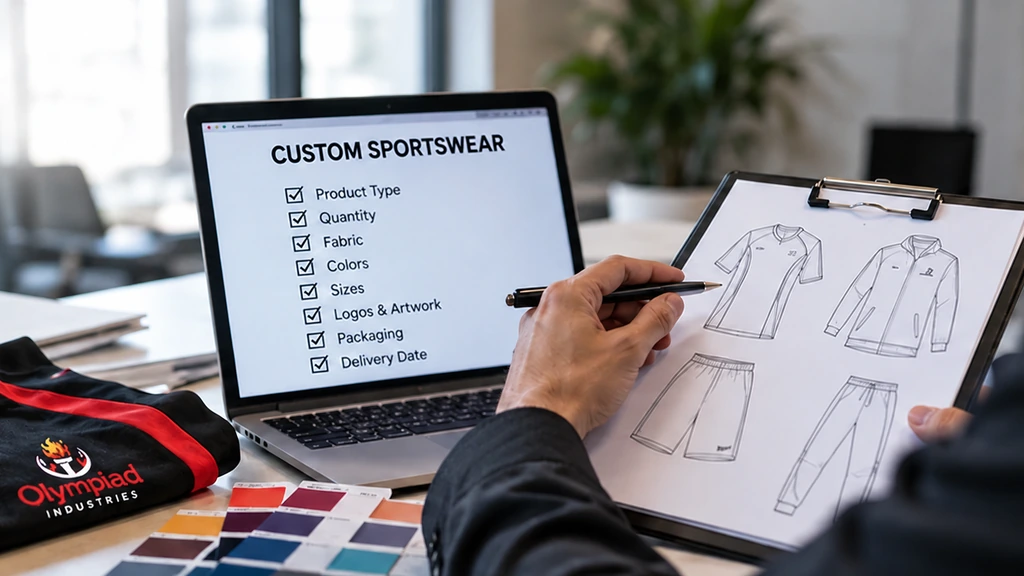
Product design begins with deciding how the garment should look and function.
Design elements may include:
- Silhouette
- Colors
- Panels
- Collar
- Sleeves
- Pockets
- Waistband
- Graphic design
- Logo placement
- Stitching details
Designs can be developed from:
- Sketches
- Reference images
- Existing products
- Digital mockups
- Tech packs
The design should suit the intended activity.
A gym shirt, football jersey, and winter tracksuit have different performance requirements.
9. Prepare Tech Packs and Product Specifications
A tech pack helps explain your product to a manufacturer.
It may include:
- Front and back drawings
- Measurements
- Fabric details
- GSM
- Colors
- Stitching
- Logo size
- Logo placement
- Labels
- Packaging
- Print details
- Embroidery details
Not every startup has a professional tech pack.
Some manufacturers can also work from:
- Reference photos
- Samples
- Sketches
- Measurement charts
However, the final approved specification should eventually be documented.
10. Choose the Right Sportswear Fabrics
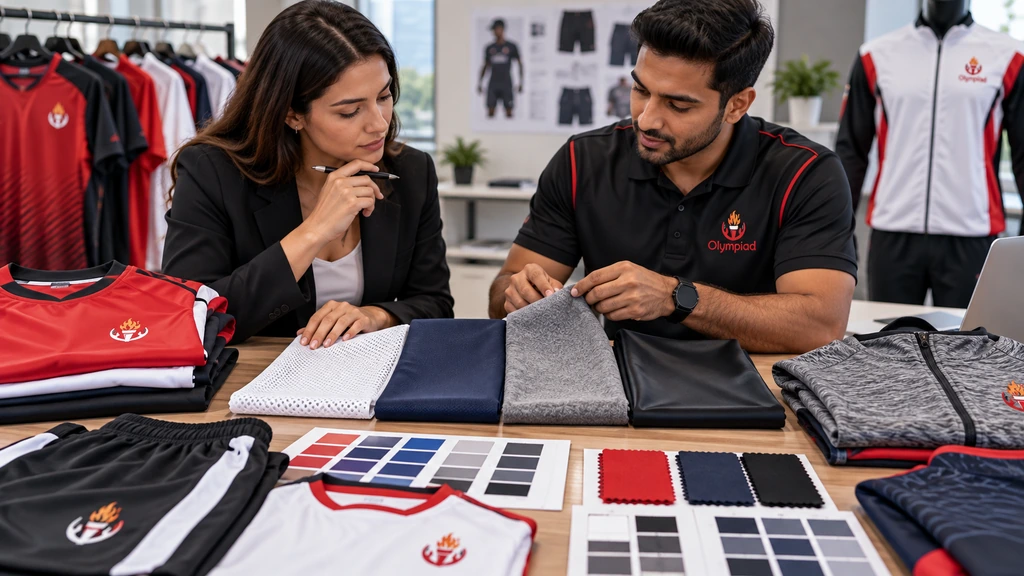
Fabric affects:
- Comfort
- Breathability
- Stretch
- Durability
- Weight
- Printing
- Product cost
Common sportswear fabrics include:
- Polyester
- Polyester mesh
- Bird-eye
- Interlock
- Micro polyester
- Polyester-spandex
- Nylon-spandex
- Cotton-poly blends
- French terry
- Fleece
- Tricot
The right fabric depends on the product.
For example:
- Jerseys may use lightweight polyester
- Leggings may need stretch blends
- Hoodies may use fleece or French terry
- Tracksuits may use tricot or interlock
Brands should evaluate physical fabric samples before approval.
11. Understand Fabric GSM
GSM means grams per square meter.
It refers to fabric weight.
A lower GSM usually means a lighter fabric.
A higher GSM usually means a heavier fabric.
However, GSM does not determine quality by itself.
Two 180 GSM fabrics can feel very different.
Brands should consider:
- Composition
- Knit
- Stretch
- Surface feel
- Durability
- Breathability
GSM should be treated as one part of the full fabric specification.
12. Develop Your Size Chart and Fit
Sizing is a major part of customer satisfaction.
Decide whether your brand will use:
- Regular fit
- Slim fit
- Athletic fit
- Relaxed fit
- Oversized fit
- Compression fit
You may also need:
- Men’s sizing
- Women’s sizing
- Kids’ sizing
Important measurements can include:
- Chest
- Length
- Shoulder
- Sleeve
- Waist
- Hip
- Inseam
- Outseam
Your size chart should remain consistent across future orders whenever possible.
13. Find a Sportswear Manufacturer
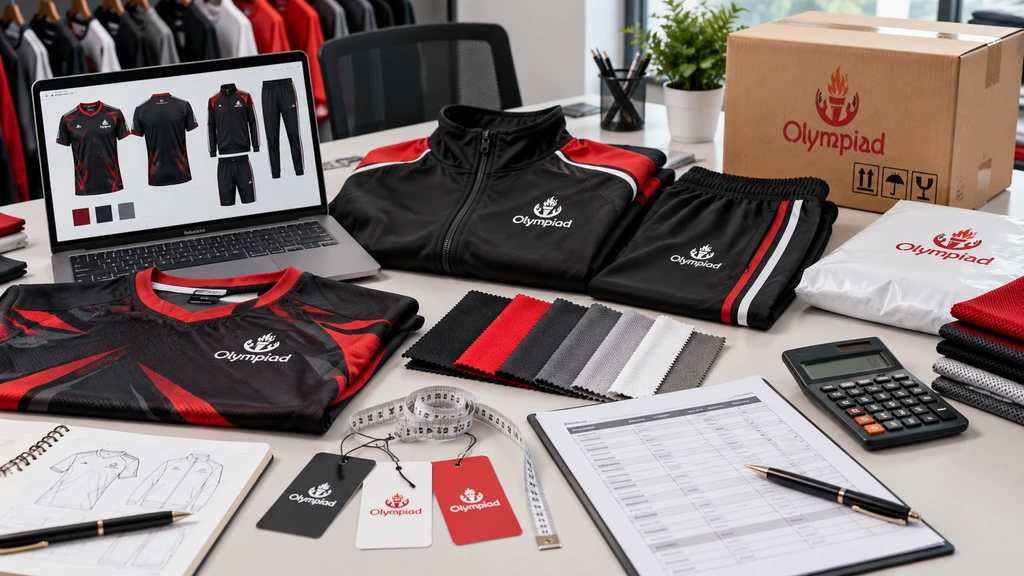
Choosing the right manufacturer is one of the most important decisions in the process.
A suitable manufacturer should understand your product category and customization needs.
Evaluate potential suppliers for:
- Product capability
- Fabric options
- MOQ
- Sampling
- Communication
- Quality control
- Printing methods
- Embroidery
- Labels
- Packaging
- Lead times
Do not choose a manufacturer based only on price.
A slightly higher price may be worthwhile if the supplier provides better consistency and support.
14. Questions to Ask Potential Manufacturers
Before moving forward, ask:
- Which products do you manufacture?
- What is your MOQ?
- Can you make custom designs?
- Can you work from our tech pack?
- Can you work from reference images?
- Which fabrics do you offer?
- Can we choose GSM?
- Do you provide samples?
- Which printing methods do you offer?
- Do you provide embroidery?
- Can you produce private labels?
- Can you make custom packaging?
- What is the production lead time?
- Do you support repeat orders?
- Which countries do you ship to?
These questions help reveal whether the supplier is suitable for long-term cooperation.
15. Understand MOQ
MOQ stands for Minimum Order Quantity.
This is the minimum quantity the manufacturer requires.
MOQ may depend on:
- Product type
- Fabric
- Custom colors
- Printing
- Labels
- Packaging
Lower MOQs are attractive for startups because they reduce inventory risk.
However, very low quantities may result in higher cost per piece.
The best MOQ is one that balances:
- Budget
- Testing
- Production efficiency
- Expected sales
16. Request Product Samples
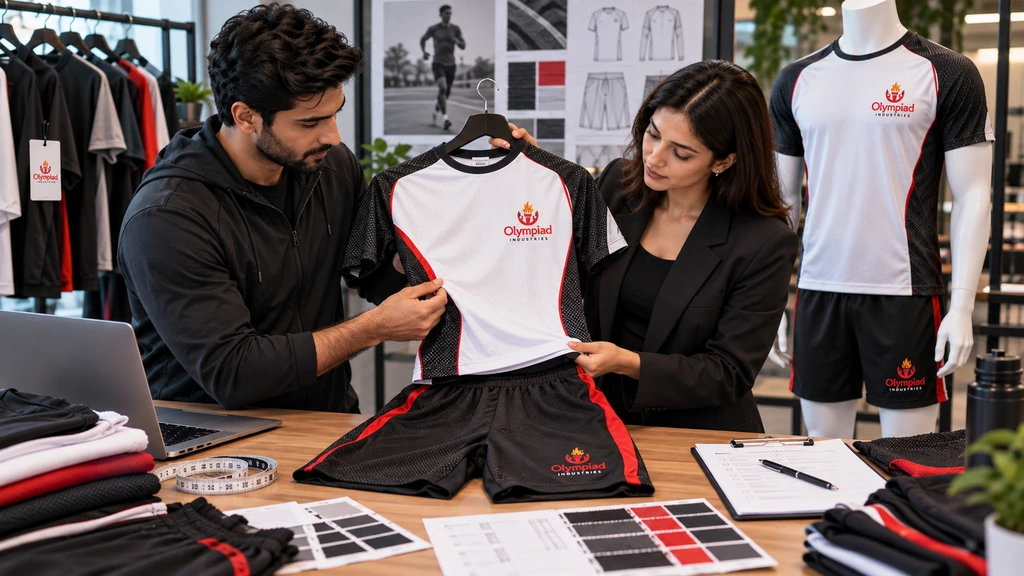
Do not move directly into bulk production without reviewing a sample.
A sample allows you to inspect:
- Fabric
- Fit
- Size
- Colors
- Printing
- Embroidery
- Labels
- Stitching
- Overall appearance
Sampling also gives you the opportunity to make improvements.
For a new brand, this step is especially important because your first production order will influence customer perception.
17. Test and Approve Your Samples
A sample should be tested carefully.
Review:
- Measurements
- Comfort
- Stretch
- Fabric weight
- Logo placement
- Stitch quality
- Color
- Print durability
You may also test:
- Washing
- Wear
- Movement
- Stretch recovery
If changes are required, document them clearly.
Do not approve production until the important issues are resolved.
18. Choose Printing and Decoration Methods
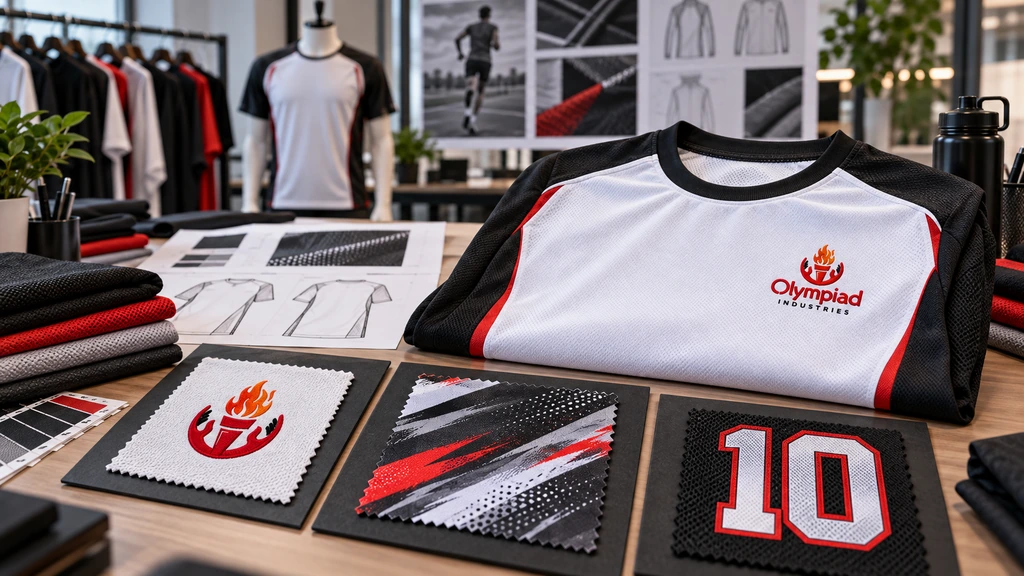
Different sportswear products require different decoration techniques.
Sublimation
Best suited to many polyester garments.
Useful for:
- Jerseys
- Full-color designs
- Names
- Numbers
- Patterns
Embroidery
Suitable for:
- Polo shirts
- Jackets
- Tracksuits
- Hoodies
Screen Printing
Suitable for:
- T-shirts
- Hoodies
- Training wear
Heat Transfer
Useful for:
- Numbers
- Names
- Sponsor logos
- Personalization
Choose the technique according to:
- Fabric
- Design
- Quantity
- Intended use
19. Create Private Labels and Hang Tags
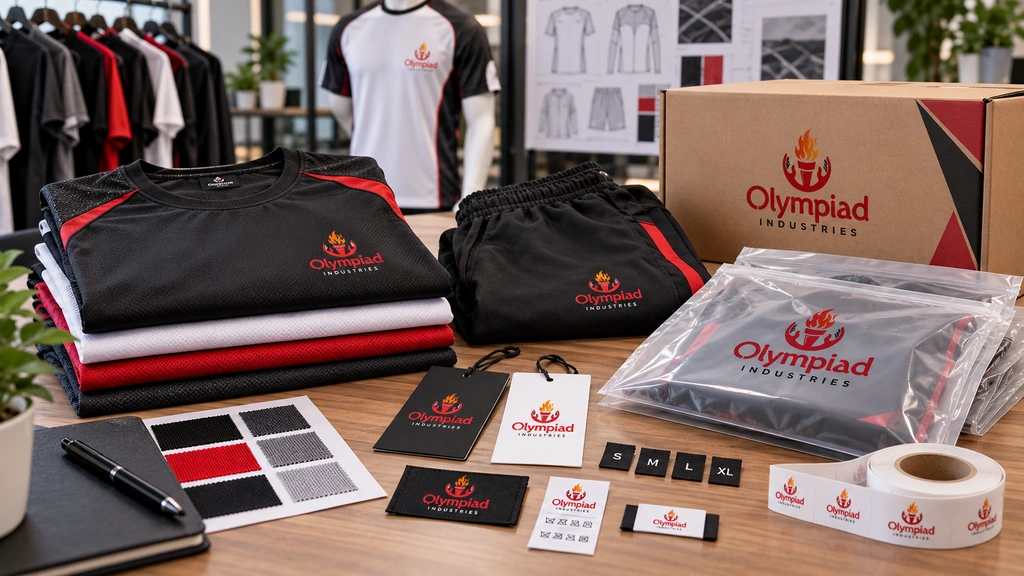
Private labels help turn your products into a complete branded collection.
Possible branding elements include:
- Woven labels
- Printed neck labels
- Size labels
- Care labels
- Hang tags
These items can include:
- Logo
- Size
- Product information
- Website
- Care details
- Brand message
They may seem small, but they influence how professional your product feels.
20. Plan Branded Packaging
Packaging can improve the customer experience.
Options may include:
- Standard polybags
- Branded polybags
- Zip bags
- Tissue paper
- Stickers
- Custom boxes
- Shipping cartons
Direct-to-consumer brands often place more emphasis on presentation.
Wholesale businesses may prioritize efficiency.
Packaging should match your brand positioning and budget.
21. Calculate Your Product Cost
Before setting your selling price, calculate the true cost of each product.
Include:
- Manufacturing
- Labels
- Packaging
- Sampling
- Shipping
- Duties
- Warehousing
- Payment fees
- Marketing
- Returns
A product that costs $12 from the factory may have a much higher landed cost after shipping and other expenses.
Accurate costing helps protect profit margins.
22. Set Wholesale and Retail Prices
Your selling price should support both profitability and market positioning.
A premium brand may use a higher retail price.
A value-focused brand may target lower margins with larger volume.
If you plan to sell wholesale, remember that retailers need their own margin.
Your pricing strategy should therefore consider:
- Retail price
- Wholesale price
- Discounts
- Promotions
- Shipping
- Taxes
Avoid setting prices based only on competitor pricing.
Your own costs and value proposition matter.
23. Plan Your First Production Order
Your first order should be manageable.
Consider:
- Best product styles
- Best colors
- Size distribution
- Quantity
- Budget
- Expected demand
Avoid over-ordering slow-moving sizes or colors.
If possible, use customer research or pre-orders to improve demand estimates.
A focused first order allows you to learn before investing in a larger collection.
24. Quality Control Before Shipping
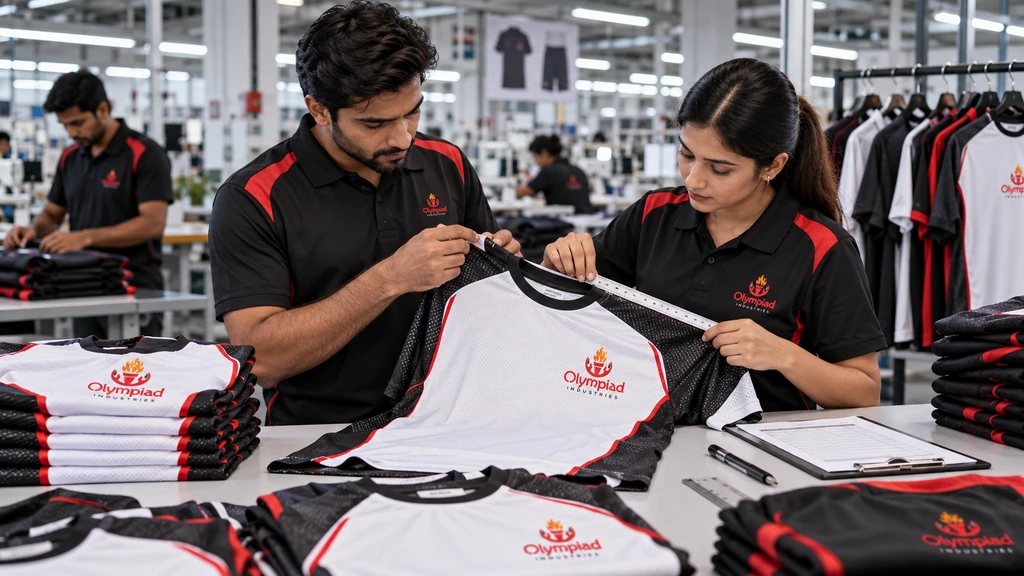
Bulk production should be checked before shipment.
Quality control may include:
- Measurements
- Stitching
- Color
- Logo placement
- Printing
- Embroidery
- Labels
- Packaging
- Quantity
Good quality control reduces returns and customer complaints.
Brands should confirm the expected inspection process with the manufacturer.
25. Choose Shipping and Logistics
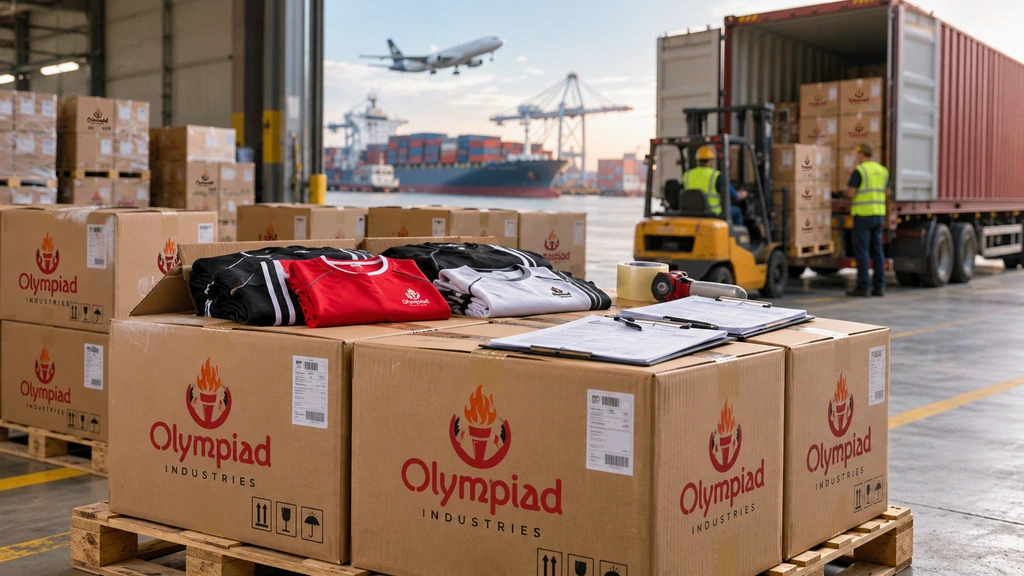
International manufacturing requires planning for delivery.
Common shipping methods include:
- Express courier
- Air freight
- Sea freight
The best option depends on:
- Quantity
- Weight
- Urgency
- Budget
Air shipping is faster but usually more expensive.
Sea freight can be economical for larger orders but requires more time.
Plan shipping before your launch date.
26. Build Your Sportswear Website
A professional website helps customers trust your brand.
Important pages may include:
- Homepage
- Shop
- About
- Product pages
- Size guide
- Shipping policy
- Returns policy
- Contact page
Product pages should clearly show:
- Photos
- Price
- Sizes
- Colors
- Fabric
- Fit
- Care instructions
A good website should also work well on mobile devices.
27. Create Product Photography and Content
Strong product presentation is essential.
Useful content includes:
- Front images
- Back images
- Detail shots
- Fabric close-ups
- Lifestyle photography
- Videos
Customers want to understand how the garment looks and fits.
Clear images can reduce uncertainty and improve conversion.
Sportswear brands can also create content showing:
- Manufacturing
- Design
- Packaging
- Training
- Athlete use
28. Plan Your Brand Launch
A launch should be planned rather than simply uploading products and waiting for sales.
Before launch, prepare:
- Website
- Product photos
- Social media content
- Email list
- Launch date
- Discounts
- Influencer outreach
- Advertising
You can also use:
- Pre-orders
- Early access
- Limited launches
- Launch bundles
These strategies can help create initial demand.
29. Market Your Sportswear Brand
Marketing should begin before the first products arrive.
Possible channels include:
- TikTok
- YouTube
- Email marketing
- Influencer partnerships
- Sports communities
Content can include:
- Product previews
- Design process
- Manufacturing
- Athlete photos
- Customer reviews
- Training tips
Consistent marketing is more effective than posting only when you need sales.
30. Sell Through Social Media
Social platforms can help startup brands build an audience without requiring a physical store.
Good social media content can include:
- Product photos
- Reels
- Behind-the-scenes videos
- Customer photos
- New releases
- Offers
- Team partnerships
Avoid making every post purely promotional.
Useful and entertaining content can build trust and engagement.
31. Work With Teams, Gyms and Clubs
B2B sales can be valuable for sportswear brands.
Potential customers include:
- Football clubs
- Basketball teams
- Academies
- Schools
- Gyms
- Fitness studios
These organizations may order:
- Uniforms
- Training wear
- Staff apparel
- Tracksuits
- Hoodies
B2B relationships can create larger repeat orders.
Also read: Custom Sportswear Manufacturing Guide for Teams & Brands
32. Explore Wholesale and B2B Opportunities
Brands can also sell to:
- Retailers
- Distributors
- Sports stores
- Online shops
Wholesale can help expand reach.
However, wholesale pricing requires sufficient margin for both:
- Your brand
- The retailer
Prepare:
- Wholesale price list
- Product catalog
- MOQ
- Lead times
- Size information
A professional B2B presentation can help attract retail partners.
33. Manage Inventory Carefully
Inventory can become one of the biggest financial risks for a startup.
Avoid ordering too much of:
- Unproven designs
- Unusual colors
- Slow sizes
Track:
- Best sellers
- Slow sellers
- Size demand
- Seasonal changes
This information helps improve future orders.
Good inventory management can reduce discounting and cash-flow problems.
34. Collect Customer Feedback
Customer feedback can help improve future products.
Ask about:
- Fit
- Fabric
- Comfort
- Design
- Quality
- Packaging
Reviews can reveal problems that were not obvious during development.
Use feedback to improve:
- Size charts
- Materials
- Designs
- Product descriptions
Customers can become a valuable source of product-development information.
35. Plan Repeat Orders
Repeat production is easier when you maintain accurate records.
Keep copies of:
- Tech packs
- Size charts
- Fabric specifications
- Color codes
- Artwork
- Labels
- Packaging
- Samples
This improves consistency.
Ask your manufacturer about:
- Repeat MOQ
- Lead times
- Material availability
Strong repeat-order planning helps prevent stock shortages.
36. Expand Your Product Collection
Once your first collection is established, expand gradually.
A teamwear brand may add:
- Jackets
- Tracksuits
- Polo shirts
- Goalkeeper kits
A gym brand may add:
- Leggings
- Sports bras
- Hoodies
- Compression wear
Expansion should be based on:
- Customer demand
- Sales data
- Brand direction
Avoid adding products simply because they are available.
37. Common Mistakes New Sportswear Brands Make
New brands often make similar mistakes.
These include:
- Launching too many products
- Choosing the cheapest manufacturer
- Ordering bulk without sampling
- Ignoring sizing
- Using weak branding
- Underestimating shipping cost
- Setting prices too low
- Ordering too much inventory
- Poor product photography
- Inconsistent marketing
- Changing designs during production
Most of these problems can be reduced with better planning.
Also read: How to Choose a Custom Sportswear Manufacturer for Your Team
How Olympiad Industries Supports Sportswear Startups
Olympiad Industries works with brands, startups, teams, retailers, distributors, and other B2B buyers that require custom sportswear and private-label apparel.
Projects can begin from:
- Tech packs
- Reference images
- Sketches
- Existing samples
- Artwork
- Measurement charts
- Buyer instructions
Depending on the project, customization can include:
- Fabrics
- GSM
- Colors
- Fit
- Measurements
- Sublimation
- Embroidery
- Printing
- Labels
- Hang tags
- Packaging
Our manufacturing workflow includes several connected stages.
Raw Materials
Suitable fabrics, threads, trims, elastic, and accessories are selected according to the product.
Pattern Making & Cutting
Patterns are developed according to the approved size chart and garment design.
Stitching
Garment components are assembled according to the product construction.
Embellishment
Brand artwork, printing, sublimation, embroidery, and other decoration methods are applied according to the approved specification.
Quality Check
Finished garments are reviewed for relevant production requirements.
Tagging & Packing
Approved garments are labeled and packed according to the buyer’s requirements.
The objective is to support brands in developing products around their own identity rather than limiting them to standard ready-made apparel.
Also read: Sublimation vs Embroidery vs Screen Printing for Sportswear
FAQs About Sportswear Brand
How much money do I need to start a sportswear brand?
There is no fixed amount. Startup cost depends on product quantity, sampling, fabric, branding, packaging, website, marketing, and shipping.
Can I start a sportswear brand without owning a factory?
Yes. Many brands use third-party manufacturers and focus on branding, sales, marketing, and customer relationships.
What products should I launch first?
Start with a small focused collection that matches your target customer and niche. Two to four products can be easier to manage than a large collection.
Do I need a tech pack?
A tech pack is useful, but some manufacturers can also work from reference images, sketches, measurement charts, and samples.
What is private label sportswear?
Private label sportswear is manufactured under your brand with custom branding such as labels, tags, packaging, colors, and potentially custom designs.
What is MOQ?
MOQ means Minimum Order Quantity. It is the smallest quantity a manufacturer accepts for a particular product or production setup.
Should I order a sample before bulk production?
Yes. Sampling allows you to check fabric, sizing, colors, stitching, logos, and overall quality before committing to a larger quantity.
What fabric is best for sportswear?
It depends on the product. Polyester is widely used for jerseys and training wear, while stretch blends are common in leggings and compression wear. Fleece and French terry can be used for hoodies and warm apparel.
How do I find a reliable sportswear manufacturer?
Evaluate manufacturers based on product experience, communication, sampling, customization, quality control, MOQ, lead time, and ability to support repeat orders.
How do I price my sportswear products?
Calculate total landed cost first, then consider desired margin, target customer, retail positioning, wholesale strategy, marketing cost, and competitor pricing.
Also read: Custom Sportswear Manufacturing Cost: A Complete Pricing Guide
Conclusion (How to Start a Sportswear Brand)
Starting a sportswear brand is a process that combines product development, manufacturing, branding, finance, marketing, and customer service.
A successful launch begins with a clear niche and target customer. From there, brands need to develop the right products, select suitable fabrics, create accurate specifications, find a capable manufacturer, approve samples, and control production quality.
Pricing and inventory should be planned carefully so the business remains financially sustainable.
Marketing, product presentation, and customer feedback then help the brand grow beyond the first production order.
New businesses do not need to start with a huge collection. A focused range of well-developed products can provide a stronger foundation than launching too many items at once.
Olympiad Industries supports sportswear startups and established brands with custom manufacturing, private-label development, fabrics, sizing, branding, labels, packaging, quality control, and production services based on buyer-specific requirements.



Leave a Reply