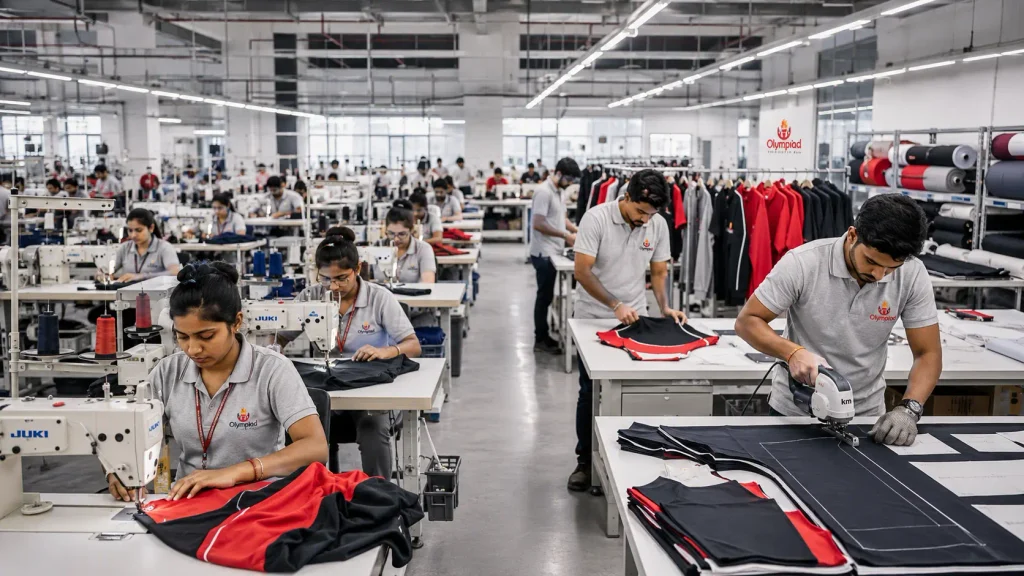

Choosing the right sportswear manufacturer is one of the most important decisions a team, startup brand, retailer, distributor, club, or private-label business will make.
A manufacturer does much more than stitch garments together. The right manufacturing partner can influence fabric quality, fit consistency, product appearance, printing, branding, production timelines, packaging, shipping, repeat-order reliability, and ultimately how customers perceive your brand.
A weak manufacturing decision can create problems such as inconsistent sizing, incorrect colors, poor stitching, delayed shipments, unsuitable fabrics, printing defects, and difficulty repeating the same product later. These issues can damage customer trust and make growth more difficult.
For this reason, buyers should evaluate a manufacturer based on the complete production process rather than price alone.
This guide explains how to choose a sportswear manufacturer step by step, including product capability, fabrics, GSM, MOQ, sampling, customization, quality control, pricing, communication, shipping, payment terms, and long-term production support.
Why Choosing the Right Sportswear Manufacturer Matters
Your manufacturer becomes an important part of your product-development system.
Customers may never know which factory produced your garments, but they will experience the results of that factory’s work every time they wear your products.
The manufacturer can influence:
- Fabric quality
- Garment fit
- Size consistency
- Stitch durability
- Print quality
- Embroidery quality
- Color consistency
- Label accuracy
- Packaging
- Production speed
- Repeat-order consistency
For a startup, manufacturing mistakes can be especially costly because the first collection helps establish the reputation of the brand.
For teams and clubs, poor manufacturing can result in players receiving uniforms with incorrect sizes, names, numbers, or colors.
For retailers and distributors, inconsistent production can create returns, complaints, and problems with repeat inventory.
The objective should therefore be to find a manufacturer capable of meeting both your current requirements and your future growth needs.
What Does a Sportswear Manufacturer Do?
A sportswear manufacturer converts product concepts and specifications into finished garments.
Depending on the factory, services may include:
- Product development
- Fabric sourcing
- Pattern making
- Grading
- Cutting
- Stitching
- Sublimation
- Embroidery
- Screen printing
- Heat transfer
- Quality inspection
- Private labeling
- Packaging
- Export preparation
Some manufacturers focus only on production.
Others provide a more complete service from design development to finished, packed garments.
Product Development
The manufacturer may help convert:
- Sketches
- Reference photos
- Existing garments
- Tech packs
- Measurement charts
into production-ready products.
Material Sourcing
The manufacturer may source:
- Fabrics
- Threads
- Elastic
- Zippers
- Rib
- Drawcords
- Labels
- Packaging
Manufacturing
The main production process may involve:
- Pattern making
- Fabric preparation
- Cutting
- Printing or embellishment
- Stitching
- Finishing
- Inspection
- Packing
Understanding exactly what a supplier handles internally and what is outsourced helps buyers evaluate reliability.
Define Your Product Requirements First
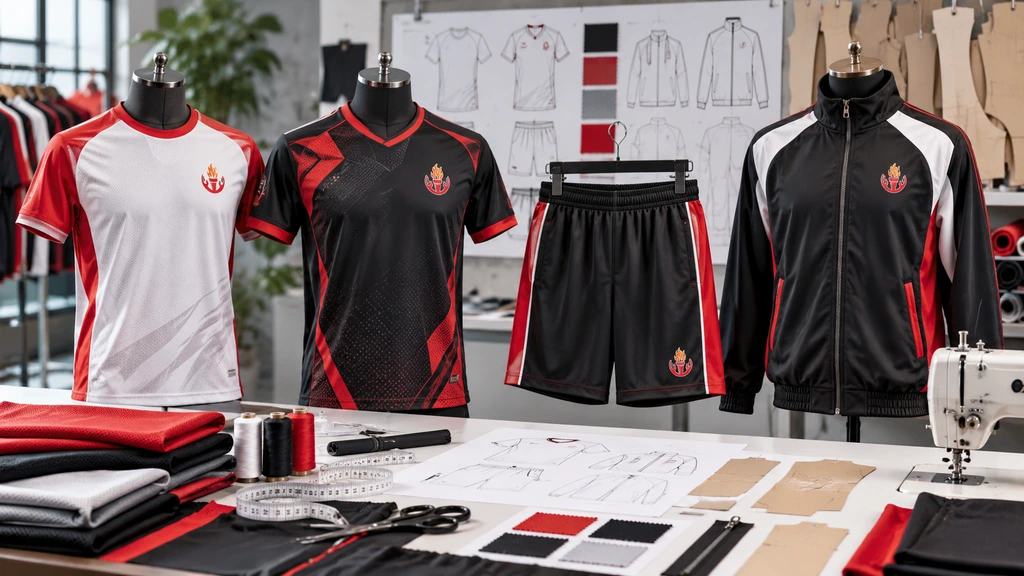
Before searching for manufacturers, define what you actually want to produce.
A supplier cannot provide an accurate quotation or recommendation if the product requirements are unclear.
Prepare information such as:
- Product type
- Quantity
- Size range
- Target market
- Fabric preference
- GSM
- Colors
- Fit
- Logos
- Printing method
- Embroidery
- Labels
- Packaging
- Delivery country
For example, instead of asking:
“Can you manufacture jerseys?”
A better inquiry might explain:
“We need 100 custom football jerseys in polyester performance fabric, approximately 150–170 GSM, full sublimation, five sizes, individual names and numbers, custom neck labels, and individual packaging.”
The second inquiry allows the manufacturer to understand the project much more accurately.
Decide What Type of Manufacturer You Need
Not every sportswear manufacturer is suitable for every project.
Some factories specialize in:
- Team uniforms
- Activewear
- Gym clothing
- Streetwear
- Compression apparel
- Jackets
- Private-label products
A supplier that is excellent at producing football jerseys may not necessarily be the best choice for premium leggings.
Likewise, a fashion-oriented apparel factory may not have strong experience with sublimated sports uniforms.
Choose a supplier whose existing capabilities closely match your intended products.
Custom Manufacturing vs Private Label vs White Label
Understanding manufacturing models helps you identify the right supplier.
Custom Manufacturing
Custom manufacturing offers the highest level of control.
You may specify:
- Design
- Fabric
- GSM
- Measurements
- Fit
- Colors
- Construction
- Printing
- Labels
- Packaging
This is suitable for brands that want distinctive products.
Private Label Manufacturing
Private label manufacturing allows products to be sold under your own brand.
Customization may include:
- Logo
- Neck labels
- Care labels
- Hang tags
- Packaging
- Fabric
- Colors
- Product design
Some private-label manufacturers offer completely custom products, while others work from existing base styles.
White Label Manufacturing
White-label products are generally pre-developed items that can be branded for multiple buyers.
This approach may offer:
- Faster production
- Lower development cost
- Smaller MOQ
However, product differentiation is more limited.
Brands should clarify which production model a manufacturer actually provides.
Look for Relevant Sportswear Experience
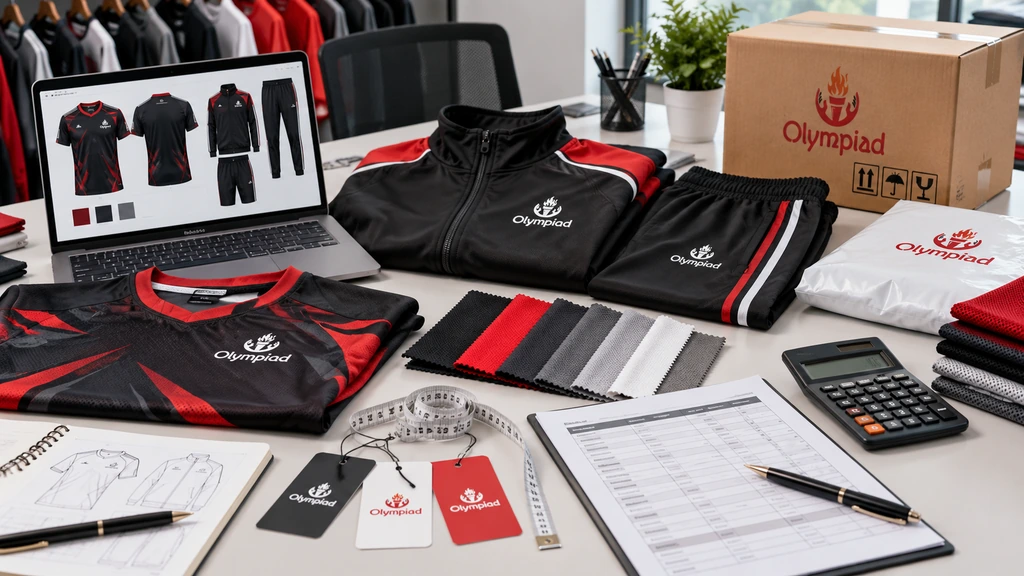
Experience should be evaluated according to product category rather than simply the number of years a factory has operated.
A manufacturer may have extensive experience producing casual clothing but limited knowledge of performance sportswear.
Ask whether the supplier has produced products similar to yours.
For example:
- Football kits
- Basketball uniforms
- Rugby jerseys
- Tracksuits
- Training shirts
- Leggings
- Compression garments
- Sports jackets
Why Sportswear Experience Matters
Sports garments often require technical considerations such as:
- Stretch
- Movement
- Ventilation
- Sweat management
- Strong seams
- Lightweight construction
- Print durability
A manufacturer familiar with these requirements may be better prepared to recommend suitable materials and construction methods.
Check the Manufacturer’s Product Range
A broad product range can be useful if you plan to expand your collection.
For example, a teamwear brand might begin with:
- Jerseys
- Shorts
and later add:
- Tracksuits
- Training tops
- Jackets
- Polo shirts
- Hoodies
Working with one capable manufacturer can help maintain consistency.
However, do not assume a large product list automatically means strong expertise in every category.
Ask to see examples relevant to your intended products.
Evaluate Fabric Options and GSM
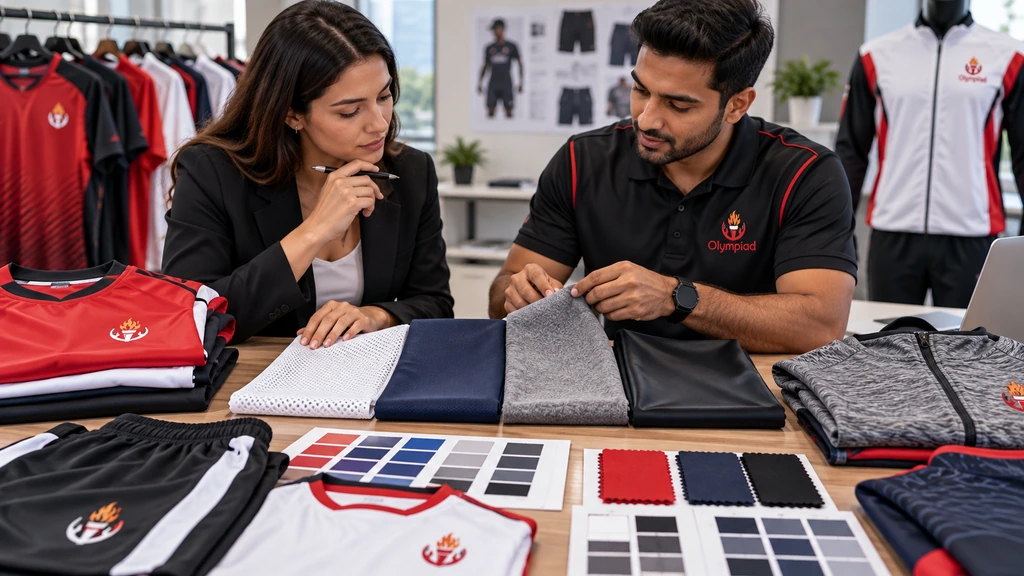
Fabric selection is one of the most important parts of sportswear manufacturing.
A reliable manufacturer should be able to explain available fabrics rather than simply saying “polyester.”
Ask about:
- Fiber composition
- GSM
- Knit construction
- Stretch
- Breathability
- Moisture management
- Surface texture
- Printing compatibility
Common Sportswear Fabrics
These may include:
- Polyester
- Polyester interlock
- Bird-eye
- Mesh
- Micro polyester
- Polyester-spandex
- Nylon-spandex
- Tricot
- French terry
- Fleece
Why GSM Matters
GSM means grams per square meter.
It helps describe fabric weight.
However, GSM alone does not determine quality.
Two fabrics with the same GSM may differ in:
- Softness
- Stretch
- Durability
- Moisture behavior
- Knit structure
Buyers should evaluate actual fabric samples whenever possible.
Ask About Custom Fabric and Color Development
Established brands may require more specific materials.
Ask whether the manufacturer can provide:
- Custom-dyed fabric
- Specific GSM
- Special knit structures
- Custom finishes
- Moisture-wicking treatment
- Brushed surfaces
- Custom colors
Custom development may require higher minimum quantities.
For example, producing a unique fabric color may require purchasing or dyeing a larger fabric batch than using standard stock colors.
The manufacturer should explain these limitations clearly before production begins.
Review Design and Product Development Support
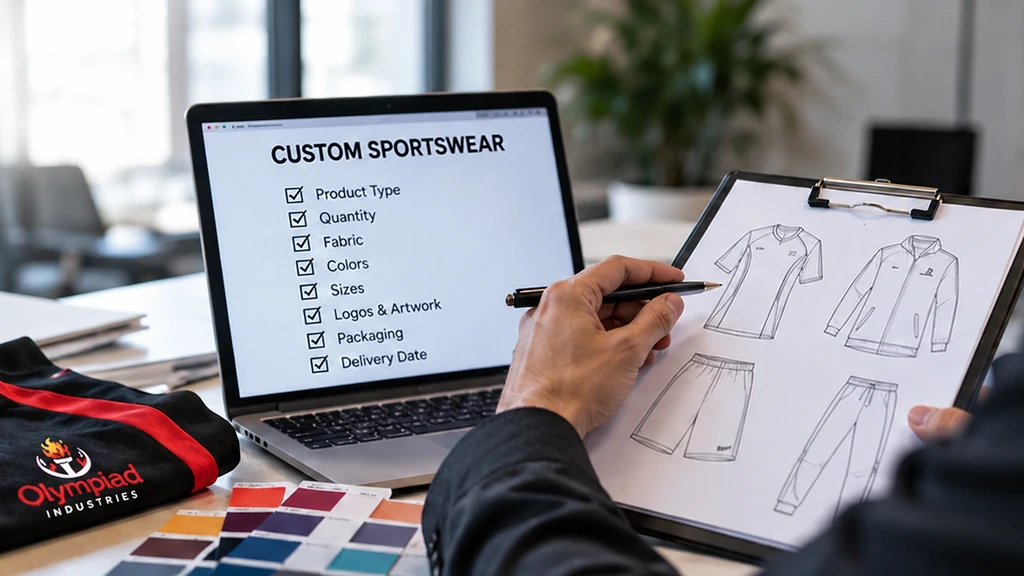
Some buyers already have detailed tech packs.
Others may only have:
- Reference images
- Sketches
- Existing samples
- Product concepts
A manufacturer with development support can be useful when technical information is incomplete.
Ask whether they can assist with:
- Garment design
- Measurements
- Material recommendations
- Logo placement
- Print layout
- Sample corrections
However, buyers should still document the final approved specification carefully.
Verbal instructions alone can create misunderstandings.
Check Pattern Making and Sizing Capabilities
Pattern development directly affects fit.
Ask how the manufacturer creates patterns and manages grading between sizes.
Important areas include:
- Chest
- Length
- Shoulder
- Sleeve
- Waist
- Hip
- Inseam
- Rise
Size Grading
Grading is the process of developing additional sizes from a base pattern.
For example:
- S
- M
- L
- XL
- XXL
Poor grading can cause inconsistent proportions.
A garment may fit well in Medium but become too short or too wide in larger sizes.
Men’s, Women’s and Kids’ Fits
If your brand serves different customer groups, ask whether separate patterns can be developed.
A women’s garment should not automatically be created by simply reducing a men’s pattern.
Understand Minimum Order Quantity (MOQ)
MOQ means Minimum Order Quantity.
It may vary according to:
- Product
- Fabric
- Color
- Printing method
- Labels
- Packaging
Ask exactly how MOQ is calculated.
For example:
- Is MOQ per product?
- Per color?
- Per design?
- Per fabric?
- Can sizes be mixed?
A manufacturer may accept 100 units total but require a minimum number per color.
Clear MOQ information helps you plan inventory and budget more accurately.
Request Fabric Swatches
Before approving a product, request physical fabric swatches whenever practical.
Photos cannot accurately show:
- Thickness
- Softness
- Stretch
- Texture
- Weight
- Opacity
A physical swatch allows buyers to compare multiple materials.
You can evaluate:
- Hand feel
- Stretch
- Surface
- Color
- Transparency
- Suitability for printing
For activewear, stretch recovery and opacity are especially important.
Request a Product Sample
Sampling is one of the most important steps in selecting a manufacturer.
A sample allows you to evaluate the supplier’s real capabilities.
Do not judge a manufacturer only through photos.
A physical sample lets you inspect:
- Fabric
- Measurements
- Fit
- Stitching
- Printing
- Embroidery
- Labels
- Finishing
Sampling also shows how well the manufacturer follows instructions.
How to Evaluate a Sportswear Sample
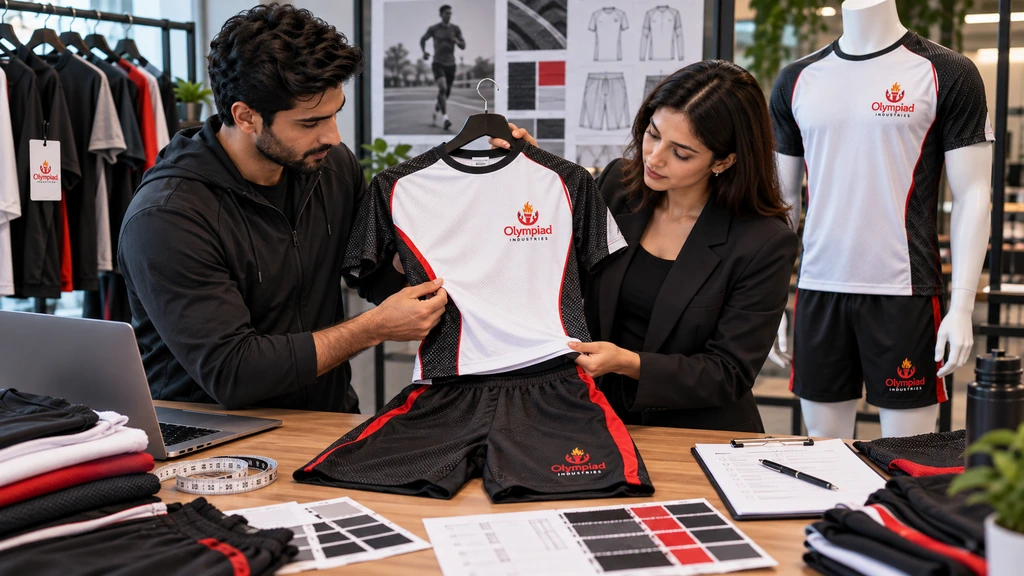
Do not review a sample only for appearance.
Use a structured checklist.
Fabric
Check:
- Weight
- Softness
- Stretch
- Breathability
- Opacity
Measurements
Compare the garment with your approved size chart.
Check multiple measurement points.
Stitching
Inspect:
- Seam consistency
- Loose threads
- Stitch density
- Reinforcement
Printing
Review:
- Color accuracy
- Sharpness
- Alignment
- Coverage
Embroidery
Check:
- Stitch density
- Edge clarity
- Thread consistency
- Fabric puckering
Fit
Ideally, test the garment on someone within the intended size range.
Observe movement during:
- Walking
- Running
- Stretching
- Training activity
Check Sublimation Capabilities
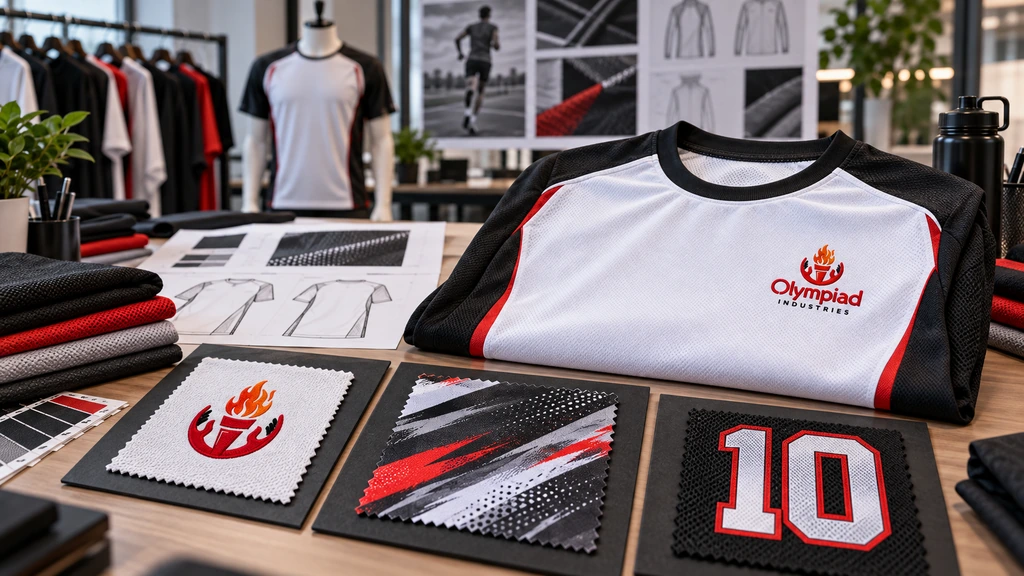
Sublimation is important for many teamwear products.
Ask whether the manufacturer has experience with:
- Full sublimation
- Complex patterns
- Gradients
- Names
- Numbers
- Sponsor logos
Important factors include:
- Color consistency
- Artwork alignment
- Print resolution
- Panel matching
A manufacturer should understand how designs need to be positioned around:
- Seams
- Sleeves
- Side panels
- Collars
Poor alignment can make a high-quality design look unprofessional.
Check Embroidery Capabilities
Embroidery is widely used for:
- Polo shirts
- Jackets
- Tracksuits
- Hoodies
- Caps
Ask about:
- Digitizing
- Thread colors
- Maximum embroidery size
- Stitch density
- Backing material
Dense embroidery on lightweight fabric may cause:
- Puckering
- Stiffness
- Distortion
A good manufacturer should understand when embroidery is suitable and when another decoration method may work better.
Screen Printing and Heat Transfer Options
Ask which additional decoration methods are available.
Screen Printing
Useful for:
- T-shirts
- Hoodies
- Training clothing
It can be cost-effective for larger quantities.
Heat Transfer
Useful for:
- Names
- Numbers
- Sponsor logos
- Small runs
The manufacturer should understand:
- Temperature
- Pressure
- Fabric compatibility
- Transfer durability
Incorrect heat settings can damage certain fabrics.
Evaluate Private Labels and Branding Options
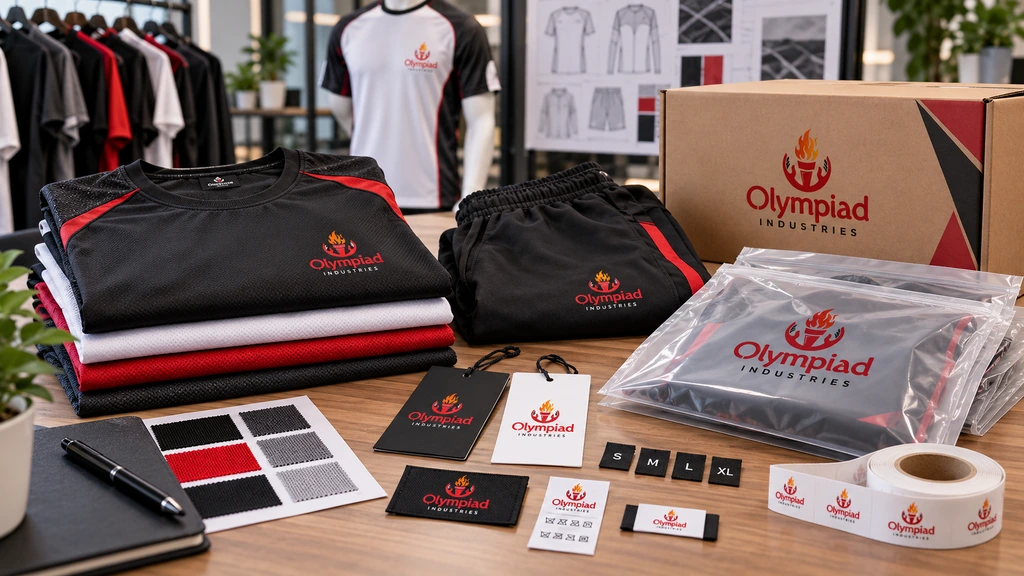
Private-label brands need more than garments.
Ask whether the manufacturer can provide:
- Woven labels
- Printed neck labels
- Size labels
- Care labels
- Hang tags
- Custom packaging
These details affect the professional appearance of the finished product.
Woven Labels
Useful for:
- Brand identity
- Neck labels
- Side labels
Care Labels
They may include:
- Fabric composition
- Washing instructions
- Country of origin
- Size
Hang Tags
Hang tags can include:
- Logo
- Product information
- Website
- Barcode
- Pricing information
Check Custom Packaging Capabilities
Packaging requirements depend on how your products are sold.
Possible options include:
- Standard polybags
- Branded polybags
- Zip bags
- Tissue paper
- Custom boxes
- Size stickers
- Barcodes
For online brands, packaging may contribute significantly to customer experience.
Wholesale buyers may prioritize:
- Easy sorting
- Carton efficiency
- Product identification
Ask whether packaging is included in the quoted price.
Understand Production Lead Times
Lead time should be discussed before placing the order.
Ask how long each stage takes.
For example:
- Material sourcing
- Printing
- Cutting
- Stitching
- Quality checking
- Packing
Lead time can change according to:
- Quantity
- Product complexity
- Fabric availability
- Season
- Factory workload
Be cautious of unrealistic promises.
Very fast production is not always better if it compromises quality.
Ask About Bulk Production Capacity
Your first order may be small, but the manufacturer should ideally be capable of supporting growth.
Ask what happens if your quantity increases from:
- 100 pieces
- To 500
- To 2,000
Questions can include:
- Can the factory maintain quality?
- Can lead times remain predictable?
- Can materials be sourced consistently?
- Can multiple products be manufactured together?
Scalability is important for brands planning long-term growth.
Evaluate Quality Control Procedures
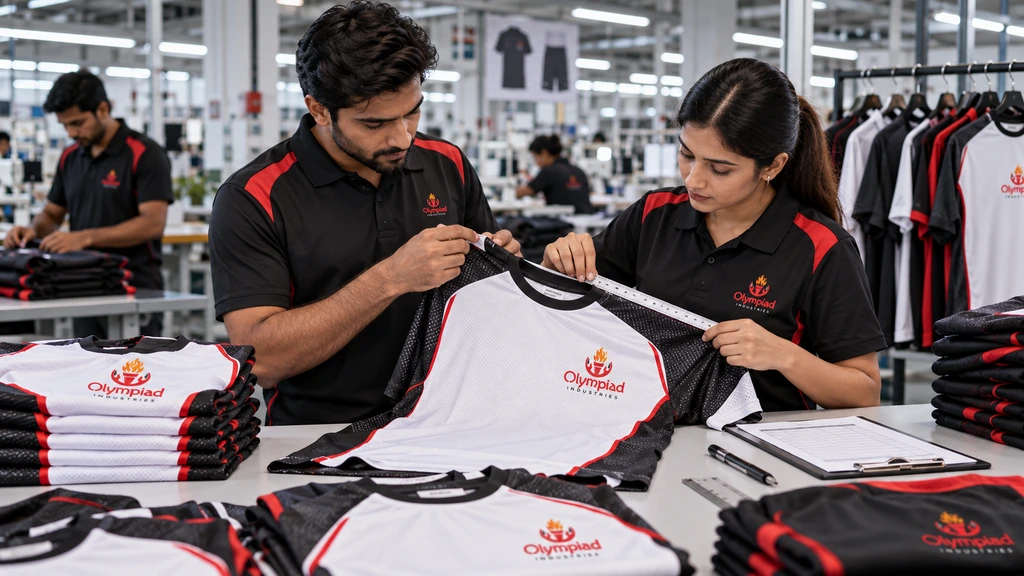
Ask how products are inspected.
A manufacturer should have a clear quality-control process.
Checks may include:
- Fabric inspection
- Measurements
- Stitching
- Color
- Printing
- Embroidery
- Labels
- Packaging
- Quantity
In-Process Quality Control
Inspection should not happen only at the end.
Problems caught during production are easier to correct.
Examples include:
- Incorrect stitching
- Wrong logo placement
- Measurement problems
Final Inspection
Finished garments should be checked before packaging.
This reduces the chance of defective products reaching the buyer.
Ask How Repeat Orders Are Managed
Repeat orders are important for established brands and teams.
Ask the manufacturer how they preserve:
- Patterns
- Size charts
- Artwork
- Color references
- Fabric specifications
A repeat order should ideally match the original approved product closely.
However, materials may change over time.
Ask the supplier to inform you before replacing fabrics or trims.
Check Communication and Response Quality
Communication quality is often overlooked.
A manufacturer may have good machinery but still be difficult to work with if communication is poor.
Evaluate:
- Response time
- Clarity
- Professionalism
- Willingness to answer technical questions
- Ability to explain limitations
Good suppliers should be willing to say when something is not possible.
A manufacturer who agrees to every request without discussion may create unrealistic expectations.
Compare Quotations Correctly
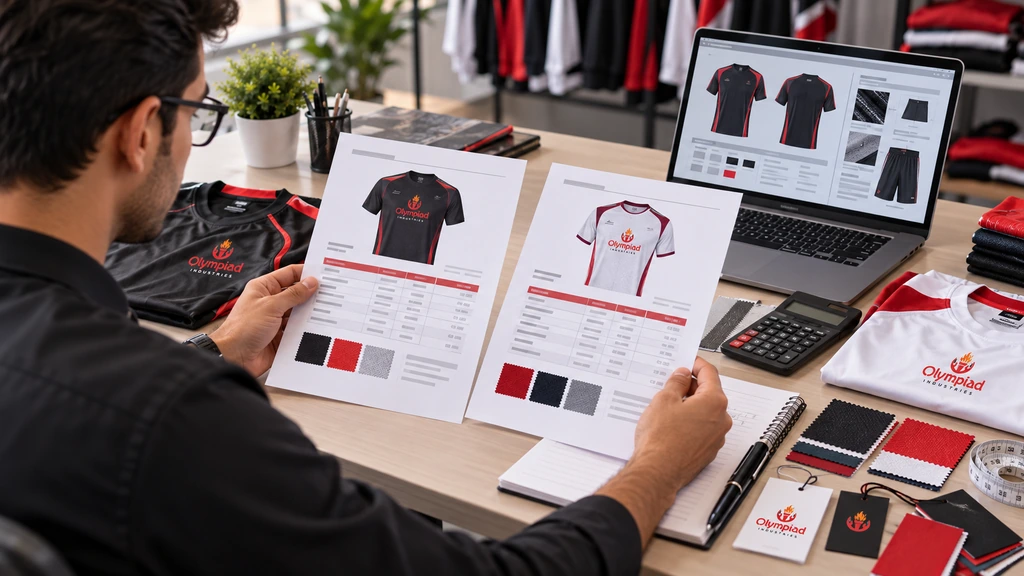
Do not compare only the final price.
Ask every manufacturer to quote the same specification.
Compare:
- Fabric
- GSM
- Quantity
- Decoration
- Labels
- Packaging
- Shipping
- Sampling
A $12 garment and a $16 garment may not actually be comparable.
The cheaper version might exclude:
- Labels
- Packaging
- Shipping
or use:
- Lower GSM
- Cheaper fabric
Always compare like-for-like specifications.
Why the Cheapest Manufacturer May Not Be the Best
Low pricing can be attractive, especially for startups.
However, extremely low prices can sometimes indicate compromises.
These might include:
- Lower-quality fabric
- Poor trims
- Limited inspection
- Inconsistent sizing
- Basic packaging
- Less experienced labor
A better approach is to look for value.
Value means receiving the required:
- Quality
- Specification
- Service
- Reliability
at a sustainable price.
Understand Payment Terms
Before production, clarify:
- Deposit amount
- Balance payment
- Payment method
- Sample payment
- Shipping payment
Common structures may involve:
- Advance deposit
- Remaining payment before shipping
However, terms vary between manufacturers.
Always request written payment details.
Avoid sending money to unexplained third-party accounts.
Payment information should match the supplier relationship whenever possible.
Check International Shipping Experience
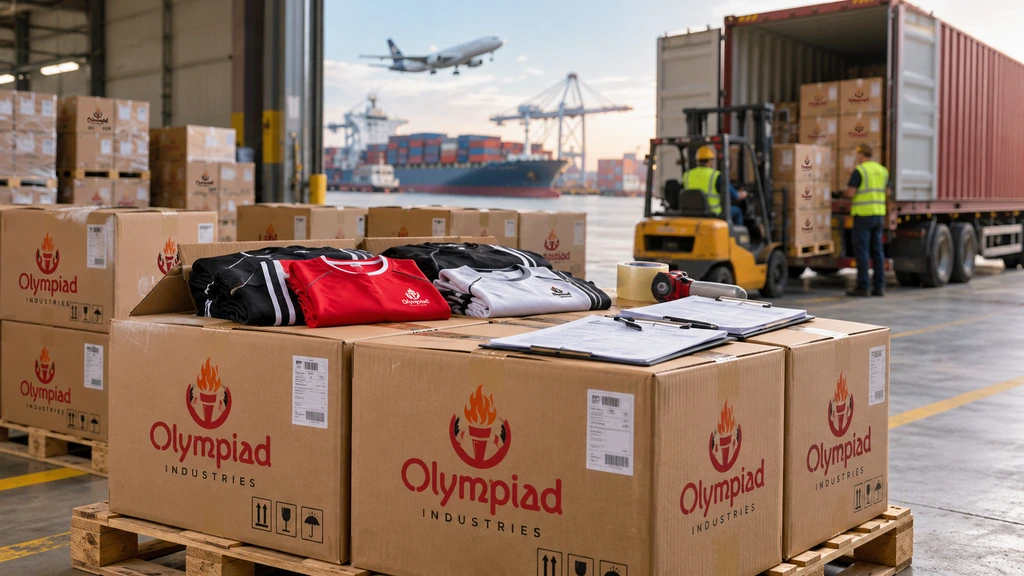
If you are importing products, export experience matters.
A manufacturer familiar with international shipments can help prepare:
- Commercial invoice
- Packing list
- Carton information
- Shipping documents
Ask which shipping methods are available.
These may include:
- Express courier
- Air freight
- Sea freight
The best option depends on:
- Quantity
- Urgency
- Destination
Ask About Export Documentation
International shipments usually require documentation.
Depending on the destination, documents may include:
- Commercial invoice
- Packing list
- Certificate-related documents
- Shipping documents
Buyers should also understand their own country’s import requirements.
The manufacturer can prepare export documents, but import taxes and regulations are generally the responsibility of the importer.
Air Freight vs Sea Freight
Shipping method can significantly affect landed cost.
Air Freight
Advantages:
- Faster
- Suitable for smaller orders
- Useful for urgent launches
Disadvantages:
- Higher cost
- Weight can become expensive
Sea Freight
Advantages:
- Lower cost for large shipments
- Better for bulk quantities
Disadvantages:
- Longer transit time
- More planning required
Brands should consider shipping costs before finalizing product pricing.
Red Flags When Choosing a Sportswear Manufacturer
Several warning signs should be taken seriously.
These may include:
- Refusing to provide product details
- Constantly changing prices
- Unrealistic lead times
- Poor communication
- Avoiding sample development
- Inconsistent company information
- Pressure for immediate large payments
- Refusing to confirm specifications in writing
Another warning sign is a supplier who agrees to every request immediately without asking technical questions.
Professional manufacturers usually need details before confirming feasibility.
Questions to Ask Before Placing an Order
Before paying for bulk production, ask:
- What fabric will be used?
- What is the exact GSM?
- What is the MOQ?
- Can sizes be mixed?
- Are custom colors possible?
- Which printing methods are available?
- Can you produce our labels?
- Is packaging included?
- How long does sampling take?
- How long does bulk production take?
- What quality checks are performed?
- Can we reorder later?
- What shipping options are available?
- What payment terms apply?
- What is included in the final price?
Keep answers documented.
How to Verify a Manufacturer Before Bulk Production
Verification does not always require visiting the factory personally.
Buyers can evaluate suppliers through multiple steps.
Review Samples
Physical samples provide direct evidence of production ability.
Request Production Photos or Videos
Ask to see relevant manufacturing processes.
Review Business Information
Confirm:
- Company name
- Contact information
- Website
- Business documentation where appropriate
Start With a Smaller Order
A reasonable initial order can help test:
- Quality
- Communication
- Lead time
- Packaging
before expanding.
Building a Long-Term Manufacturing Partnership
The strongest buyer-manufacturer relationships develop over time.
Long-term partnerships can provide:
- Better communication
- Faster repeat orders
- Better understanding of your products
- More consistent quality
- Easier product development
Brands should also become better customers.
Provide:
- Clear specifications
- Timely feedback
- Accurate artwork
- Realistic timelines
- Organized size lists
Manufacturing works best when both sides communicate professionally.
Also read: How to Start a Sportswear Brand: A Complete Step-by-Step Guide
How Olympiad Industries Works With Teams & Brands
Olympiad Industries manufactures custom sportswear and private-label apparel for teams, clubs, startups, retailers, distributors, and other B2B buyers.
Projects can begin from:
- Tech packs
- Reference images
- Sketches
- Existing garments
- Measurement charts
- Logos
- Buyer instructions
Depending on project requirements, customization can include:
- Fabrics
- GSM
- Colors
- Fit
- Measurements
- Sublimation
- Embroidery
- Screen printing
- Heat transfer
- Labels
- Hang tags
- Packaging
Raw Materials
Fabric, threads, trims, elastic, zippers, and other components are selected according to product requirements.
Material choices are reviewed according to factors such as performance, garment type, printing method, and target market.
Pattern Making & Cutting
Patterns are prepared according to the approved measurements and design.
Accurate patterns help maintain:
- Fit
- Proportion
- Size consistency
The approved fabric is then cut according to the pattern.
Stitching
Garment components are assembled using stitching methods suited to the product.
Different garments may require different construction techniques.
For example, stretch activewear needs different seam considerations than standard jerseys.
Embellishment
Depending on the design, embellishment may include:
- Sublimation
- Embroidery
- Screen printing
- Heat transfer
Artwork position, size, and colors are reviewed according to the approved design.
Quality Check
Finished garments are inspected according to the project requirements.
Checks may include:
- Fabric
- Measurements
- Stitching
- Printing
- Embroidery
- Labels
- Finishing
The objective is to maintain consistency before products move to final packing.
Tagging & Packing
Approved garments can be prepared with:
- Brand labels
- Hang tags
- Size identification
- Individual packaging
- Cartons
Packaging requirements can be adjusted according to the buyer’s retail or wholesale needs.
Also read: Sublimation vs Embroidery vs Screen Printing for Sportswear
Frequently Asked Questions
How do I choose a good sportswear manufacturer?
Look for relevant product experience, suitable fabrics, sampling capability, clear MOQ, customization options, quality-control processes, realistic lead times, professional communication, and international shipping experience if required.
Should I choose a manufacturer based on price?
Price matters, but it should not be the only factor. Compare fabric, GSM, construction, customization, packaging, quality, and services included in each quotation.
Should I request a sample before placing a bulk order?
Yes. A sample allows you to check fabric, measurements, fit, stitching, printing, labels, and overall product quality before committing to larger production.
What MOQ should a startup look for?
There is no single ideal MOQ. It should fit your available budget, expected sales, product range, and inventory risk.
How can I check a manufacturer’s quality?
Evaluate physical samples, inspect measurements and stitching, review printing and embroidery, ask about quality-control procedures, and start with a manageable first order.
Can manufacturers help with product design?
Some full-service sportswear manufacturers can help develop products from sketches, reference images, existing garments, or tech packs.
What fabric information should I ask for?
Ask about composition, GSM, knit structure, stretch, moisture management, breathability, and printing compatibility.
Can sportswear manufacturers provide custom labels?
Many private-label manufacturers can provide woven labels, printed neck labels, care labels, hang tags, and custom packaging.
What is the difference between custom and private-label sportswear?
Custom manufacturing focuses on producing garments according to buyer-specific designs and specifications. Private label refers to products manufactured and branded under the buyer’s own brand. A project can be both custom and private label.
How important is communication when choosing a manufacturer?
Very important. Clear communication reduces production errors and makes sampling, revisions, bulk production, and repeat orders easier to manage.
Conclusion
Choosing a sportswear manufacturer requires careful evaluation.
The right supplier should understand your products, fabrics, sizing, customization, quality expectations, quantities, and target market.
Start by defining your requirements clearly. Then compare manufacturers based on relevant experience, fabric knowledge, sampling, MOQ, customization, private labeling, quality control, pricing, communication, production capacity, and shipping capability.
Always review a physical sample before large-scale production whenever possible.
Do not choose a manufacturing partner purely because they offer the lowest price. A slightly higher product cost can provide better value when it includes stronger materials, accurate sizing, reliable production, better quality control, and consistent repeat-order support.
For growing brands, the ideal manufacturer is not simply a supplier for one order. It is a production partner capable of supporting product development and maintaining consistency as your business expands.
Also read: How to Start a Sportswear Brand: A Complete Step-by-Step Guide
Olympiad Industries supports teams, brands, startups, retailers, clubs, distributors, and other B2B buyers with custom sportswear manufacturing, fabric selection, product development, sampling, embellishment, private labeling, quality control, packaging, and international production support according to buyer-specific requirements.



Leave a Reply