
Starting an activewear brand can be an attractive business opportunity because fitness apparel sits at the intersection of performance clothing, fashion, lifestyle, and everyday comfort. Customers now wear leggings, training tops, sports bras, joggers, gym shorts, and tracksuits both during exercise and as part of their daily wardrobe.
However, creating a successful activewear brand requires more than choosing attractive colors and adding a logo to existing garments. Activewear products need to perform correctly during movement. Fabric stretch, recovery, opacity, moisture management, fit, seam construction, sizing, and durability can all influence whether customers consider a product high quality.
A new brand also needs to make decisions about manufacturing, private labeling, MOQ, packaging, pricing, inventory, ecommerce, marketing, and future repeat production. Making these decisions in the correct order can reduce expensive mistakes later.
This guide explains how to start an activewear brand step by step, from choosing a niche and developing products to selecting fabrics, approving samples, finding a manufacturer, launching your first collection, and planning long-term growth.
What Does It Take to Start an Activewear Brand?
Starting an activewear business involves several connected areas rather than one single task. Product development, manufacturing, branding, marketing, and finance all need to support the same business strategy.
Before investing in production, a founder should understand who the brand is designed for, which products will be offered, what price level the company will target, and why customers should choose those products instead of existing alternatives.
A strong foundation normally includes product strategy, brand positioning, manufacturing planning, costing, and a clear route to market.
Important elements can include:
- Target customer
- Activewear niche
- Brand name and identity
- Product range
- Designs
- Fabrics
- Size charts
- Manufacturer
- Sampling
- Private labels
- Packaging
- Pricing
- Website
- Product photography
- Marketing
- Shipping
- Customer service
The process becomes much easier when these areas are developed in a logical sequence.
For example, choosing fabric before defining your target customer can create problems. A premium yoga brand may need a very different fabric feel from a budget gym-wear business or a high-compression training brand.
Is Starting an Activewear Brand Profitable?
An activewear brand can become profitable, but profitability depends on much more than the difference between manufacturing cost and retail price.
A garment may appear to offer a strong markup at first. However, the business also needs to account for costs such as shipping, import duties, packaging, payment processing, ecommerce fees, advertising, returns, discounts, photography, warehousing, and unsold inventory.
The most successful brands generally control both product cost and inventory risk.
A startup should understand at least three financial figures before launching:
- Manufacturing cost
- Landed cost
- Expected selling price
Manufacturing cost refers mainly to producing the garment. Landed cost can include shipping, duties, packaging, and other expenses required to bring the product into sellable inventory.
The difference matters because a product that leaves the factory at $15 may cost considerably more once it reaches the business.
Profitability also improves when customers reorder, because repeat buyers can reduce the amount a brand needs to spend acquiring every sale.
1. Choose Your Activewear Niche
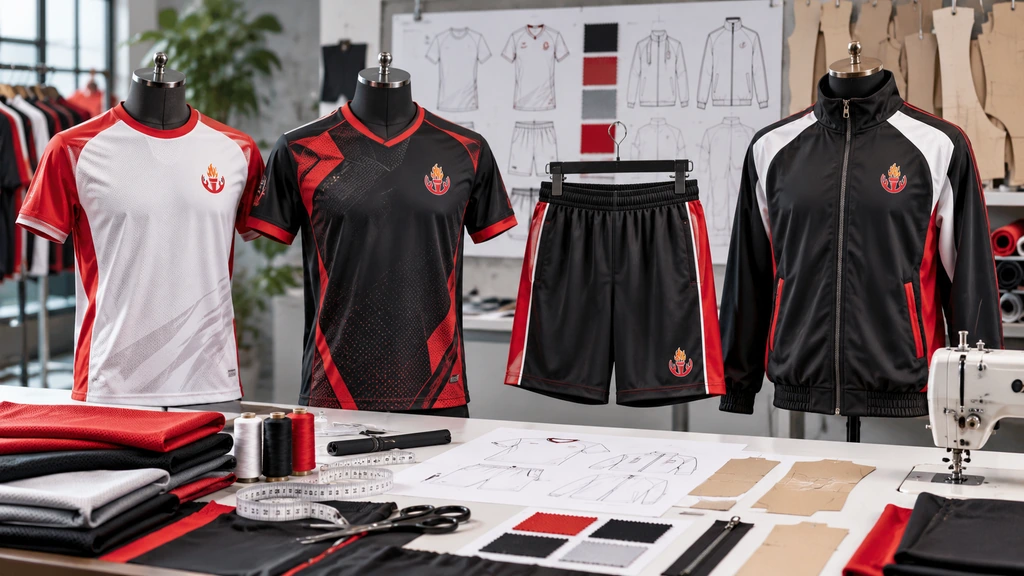
Trying to become a brand for every type of fitness customer from day one can make your business difficult to understand.
A focused niche helps determine product design, fabric, pricing, photography, branding, and marketing. It also makes it easier for customers to understand why the brand exists.
A niche does not mean the business must remain small forever. It simply gives the first collection a clear direction.
Gym Wear
A gym-focused brand may produce products such as:
- Training T-shirts
- Gym shorts
- Sports bras
- Leggings
- Tank tops
- Compression tops
The products may emphasize durability, sweat management, stretch, and freedom of movement.
Yoga Wear
Yoga products commonly prioritize:
- Softness
- High stretch
- Flexible construction
- Comfortable waistbands
- Smooth seams
The product may need less aggressive compression than strength-training apparel.
Running Apparel
Running garments often require:
- Lightweight construction
- Breathability
- Quick drying
- Freedom of movement
- Ventilation
The collection might include running tops, shorts, tights, and lightweight jackets.
Women’s Activewear
Women’s activewear can include:
- Leggings
- Sports bras
- Crop tops
- Shorts
- Fitness sets
- Jackets
Fit development is particularly important because products such as leggings and sports bras need accurate shaping.
Men’s Activewear
Men’s collections may focus on:
- Training T-shirts
- Shorts
- Compression wear
- Joggers
- Tracksuits
- Running apparel
Patterns should be developed according to the intended male fit rather than simply adapting women’s products.
Compression Wear
Compression apparel is a more technical category.
It normally requires fabrics with controlled stretch and strong recovery.
Possible products include:
- Compression tops
- Compression tights
- Training shorts
Athleisure
Athleisure combines sport-inspired clothing with everyday wear.
The collection can include:
- Leggings
- Joggers
- Hoodies
- Sweatshirts
- Tracksuits
- Relaxed training tops
Comfort and visual styling may be just as important as high-intensity performance.
2. Define Your Target Customer
A product cannot be designed properly until the business understands who is expected to buy it.
The target customer influences almost every manufacturing decision.
A professional athlete, casual gym customer, yoga participant, and fashion-focused athleisure customer may all want different characteristics even when they are buying a similar garment.
Research questions should include:
- What age group are you targeting?
- Are you targeting men, women, kids, or multiple groups?
- What activities do they participate in?
- How often do they train?
- What price range do they currently buy?
- What fit do they prefer?
- Which activewear brands do they already purchase?
- What problems do they complain about?
For example, customers who frequently perform strength training may care strongly about squat-proof leggings and waistband stability.
A lifestyle customer may care more about softness, flattering fit, and color.
Understanding this difference helps prevent the brand from trying to solve the wrong problem.
3. Research the Activewear Market
Market research helps determine whether the brand concept has real commercial potential.
The purpose is not simply to look at which products are popular. Brands should study why certain products sell, what customers appreciate, what customers dislike, and where there may be room for improvement.
Useful research sources include:
- Activewear websites
- Online marketplaces
- Customer reviews
- Fitness communities
- Social media
- Gym communities
- Retail stores
- Competitor advertisements
Pay particular attention to customer complaints.
Recurring complaints can reveal opportunities.
For example, buyers may frequently mention:
- Leggings becoming transparent
- Waistbands rolling down
- Poor sizing
- Fabric pilling
- Weak stitching
- Uncomfortable sports bra straps
- Inaccurate size charts
Instead of creating another generic product, a startup can use these problems to help define its own product-development priorities.
4. Study Your Competitors
Competitor analysis helps you understand the standards customers already expect.
Look at both large established brands and smaller companies competing for the same target audience.
Study:
- Product categories
- Prices
- Fabric descriptions
- Size ranges
- Photography
- Packaging
- Customer reviews
- Social media
- Discounts
- Brand positioning
Do not use this research to copy another brand’s products.
Instead, identify where your business can create a stronger offer.
Possible differentiation can include:
- Better fit
- Better opacity
- More comfortable fabric
- More inclusive sizing
- Specialized sports products
- Distinctive colors
- Better customer service
- Lower MOQ for team or B2B orders
- Private customization
A brand should be able to explain clearly why a customer should choose it.
5. Develop Your Brand Identity
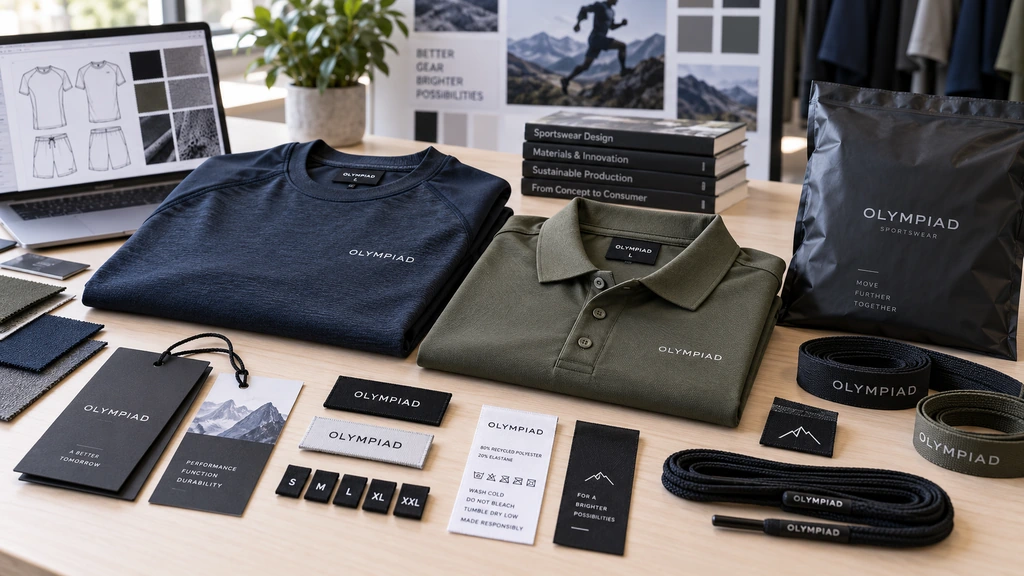
A strong activewear brand should look consistent before customers even touch the product.
Brand identity includes more than a logo.
It can include:
- Brand name
- Logo
- Color palette
- Typography
- Product style
- Packaging
- Photography style
- Tone of voice
These elements should work together.
For example, a premium minimalist yoga brand may use restrained colors and simple garment designs, while a youth-focused gym brand might use stronger graphics and energetic product presentation.
Brand identity should also translate naturally onto physical products.
Think about how the logo will appear on:
- Sports bras
- Leggings
- T-shirts
- Shorts
- Hang tags
- Packaging
A logo that works on a website may need a simplified version for small garment applications.
6. Choose Your First Activewear Products
One of the biggest mistakes new brands make is launching too many products at once.
Every additional product creates extra requirements for:
- Sampling
- Patterns
- Fabrics
- Size ranges
- Photography
- Inventory
- Marketing
A focused collection allows the startup to spend more time improving each product.
A women’s fitness brand might begin with:
- Leggings
- Sports bra
- Training top
A men’s training brand might begin with:
- Performance T-shirt
- Shorts
- Joggers
Once customer demand becomes clearer, additional products can be introduced.
The first collection should be large enough to communicate the brand concept but small enough to manage financially.
7. Decide Between Custom, Private Label and White Label
Different manufacturing models provide different levels of control.
Understanding them before contacting suppliers can save time.
Custom Manufacturing
Fully custom manufacturing can allow the buyer to control:
- Pattern
- Measurements
- Fabric
- GSM
- Colors
- Construction
- Branding
It provides strong differentiation but usually requires more development.
Private Label Manufacturing
Private label manufacturing allows products to be sold under the buyer’s brand.
Depending on the manufacturer, private label can also include substantial customization.
It may include:
- Custom labels
- Hang tags
- Packaging
- Fabrics
- Colors
- Modified designs
White Label Manufacturing
White-label products are generally pre-developed garments offered to multiple businesses.
They can provide:
- Faster launch
- Lower development requirements
- Easier initial sourcing
However, the brand has less control over the actual product.
A company hoping to build a recognizable long-term fit and product identity may eventually prefer private-label or custom development.
8. Create Your Product Designs
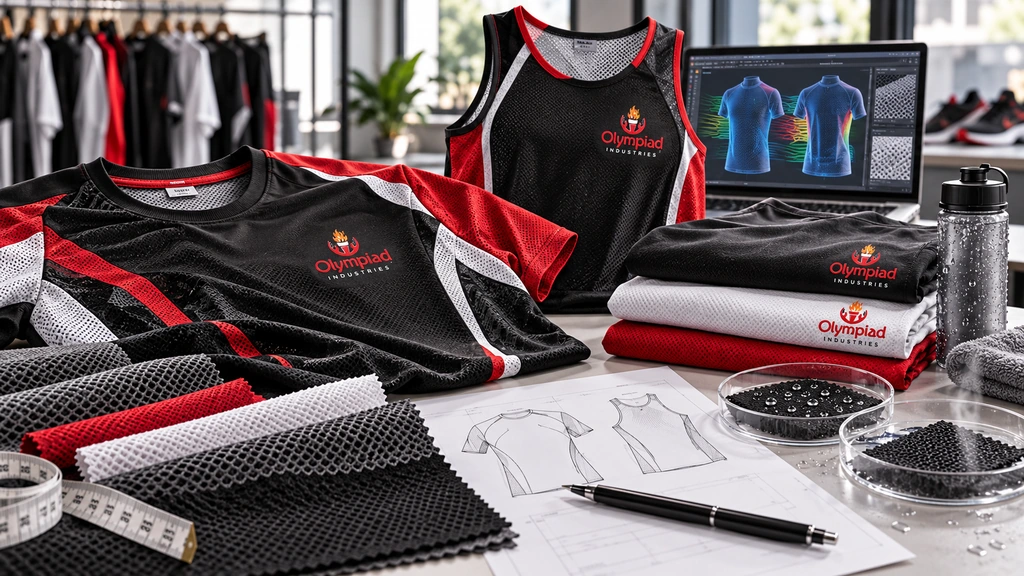
Product design should balance appearance with movement and performance.
An activewear garment may look attractive on a sketch but still perform poorly if seams, panels, pockets, waistbands, or straps are positioned incorrectly.
Design decisions can include:
- Silhouette
- Waist height
- Length
- Pockets
- Panels
- Straps
- Neckline
- Sleeves
- Logo placement
A leggings design might consider:
- High-rise waistband
- Side pocket
- Seam position
- Ankle length
A sports bra might consider:
- Strap width
- Back style
- Coverage
- Padding
- Support level
Brands should develop products around actual use rather than purely visual trends.
9. Prepare Tech Packs and Product Specifications
A tech pack communicates the technical requirements of the product to the manufacturer.
It reduces uncertainty and provides a reference during sampling and bulk production.
A useful specification may contain:
- Front and back drawings
- Measurements
- Fabric
- GSM
- Color
- Stitching
- Logo position
- Label placement
- Packaging requirements
For startups without professional tech packs, manufacturers may sometimes work from:
- Sketches
- Reference images
- Existing garments
- Measurement charts
However, the approved product specification should eventually be documented.
Otherwise, important details can become unclear during production.
10. Choose the Right Activewear Fabrics
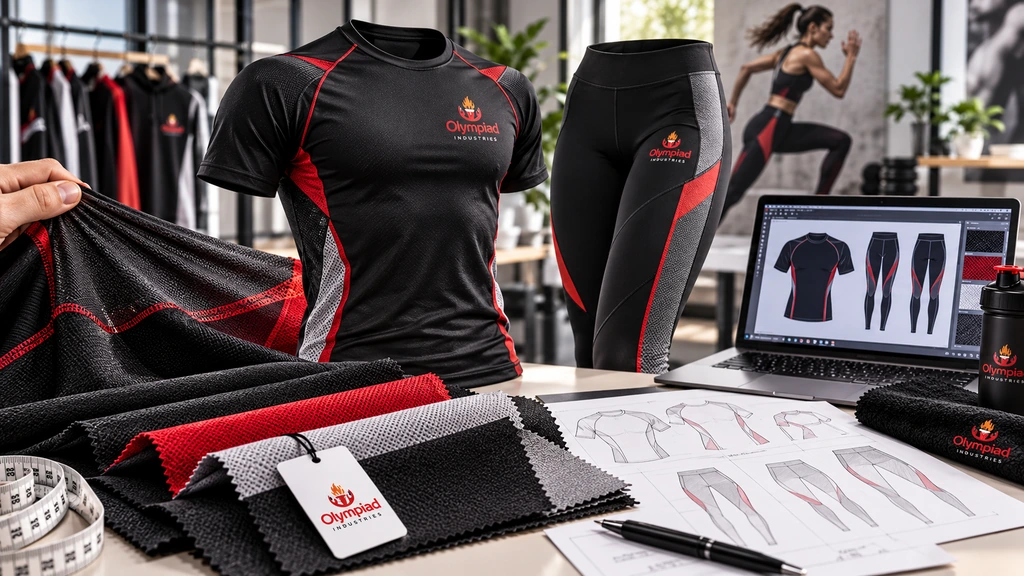
Fabric is one of the most important elements of activewear.
The material needs to support the intended activity while maintaining comfort, coverage, and appearance.
Brands should evaluate fabrics for:
- Stretch
- Recovery
- GSM
- Opacity
- Breathability
- Moisture management
- Durability
- Surface feel
Physical swatches are highly useful because photographs cannot accurately communicate stretch, softness, thickness, or recovery.
Nylon-Spandex
Nylon-spandex blends are commonly used for premium fitted activewear.
They can provide:
- Smooth feel
- Good stretch
- Strong recovery
- Comfortable compression
Common applications include leggings and sports bras.
Polyester-Spandex
Polyester-spandex is widely used because it can provide a practical combination of performance and durability.
It may be used for:
- Leggings
- Training tops
- Fitness shorts
- Sports bras
- Compression garments
Polyester can also work well with certain printing methods such as sublimation.
Recycled Performance Fabrics
Some brands choose recycled polyester or other recycled fiber blends.
If using recycled material, the brand should still evaluate:
- Stretch
- Recovery
- Durability
- Comfort
- Opacity
The material should meet the performance requirements of the product rather than being selected only for marketing positioning.
11. Choose the Right Fabric GSM
GSM means grams per square meter and describes fabric weight.
Different products require different fabric weights.
A lightweight training top may benefit from a lower GSM because the garment can feel cooler and lighter.
Leggings may require more structure to provide:
- Coverage
- Compression
- Durability
However, a higher GSM is not automatically better.
An excessively heavy fabric can become hot and restrictive.
Brands should compare:
- Fabric construction
- Composition
- Stretch
- GSM
together rather than relying on one figure.
12. Understand 2-Way and 4-Way Stretch
Activewear needs to move with the wearer.
A 2-way stretch fabric primarily stretches in one main direction, while a 4-way stretch fabric provides useful movement in multiple directions.
Four-way stretch is commonly preferred for fitted garments such as:
- Leggings
- Sports bras
- Compression clothing
because body movement occurs both horizontally and vertically.
However, labels such as “4-way stretch” should not replace physical testing.
The actual amount of stretch and recovery can vary considerably between fabrics.
13. Test Stretch Recovery and Shape Retention
Stretch alone does not guarantee good activewear.
The fabric also needs to recover after being stretched.
Poor recovery can cause:
- Baggy knees
- Loose waistbands
- Sagging fabric
- Misshapen garments
A good activewear sample should be stretched repeatedly and worn during movement.
Afterward, check whether the fabric returns close to its original shape.
Recovery is influenced by:
- Fabric composition
- Elastane percentage
- Knit construction
- Fabric quality
For fitted activewear, strong recovery is often more important than maximum stretch.
14. Develop Squat-Proof Leggings
Squat-proof performance is a major quality consideration for leggings.
A fabric can appear completely opaque on a table and still become transparent when stretched over the body.
This is why leggings should be tested under realistic movement.
Important factors include:
- GSM
- Knit density
- Color
- Stretch
- Pattern
- Garment size
A garment that is too tight may overstretch even a good fabric.
Squat Testing
The wearer should test movements such as:
- Squatting
- Bending
- Lunging
- Stretching
Evaluate the fabric under normal lighting.
Opacity should also be checked across multiple sizes because fabric stretch can differ depending on fit.
15. Develop Sports Bras for the Right Support Level
Sports bras require more technical development than many buyers initially expect.
A sports bra designed for yoga has different requirements from one designed for running or intense training.
Support can be influenced by:
- Fabric compression
- Band width
- Straps
- Coverage
- Pattern
- Cup construction
Low-Impact Sports Bras
These may prioritize:
- Softness
- Stretch
- Comfort
- Freedom of movement
Medium or Higher Support
These may require:
- Stronger fabric
- Wider bands
- More controlled stretch
- Different strap construction
The product should be tested during the activity for which it is intended.
A sports bra that looks good while standing may perform very differently during jumping or running.
16. Create Your Size Chart and Fit
Activewear sizing is strongly connected to fabric behavior.
Fitted activewear often uses negative ease, meaning the garment measurements can be smaller than the wearer’s body measurements because the material is designed to stretch.
Too much negative ease can create:
- Excessive compression
- Transparency
- Uncomfortable seams
Too little can create:
- Loose fit
- Weak support
- Poor shape retention
A brand should therefore create its size chart around the actual fabric and approved pattern.
Changing fabric later can change fit even when garment measurements remain the same.
Brands should also consider whether they require:
- Women’s sizing
- Men’s sizing
- Kids’ sizing
- Extended sizes
17. Find an Activewear Manufacturer
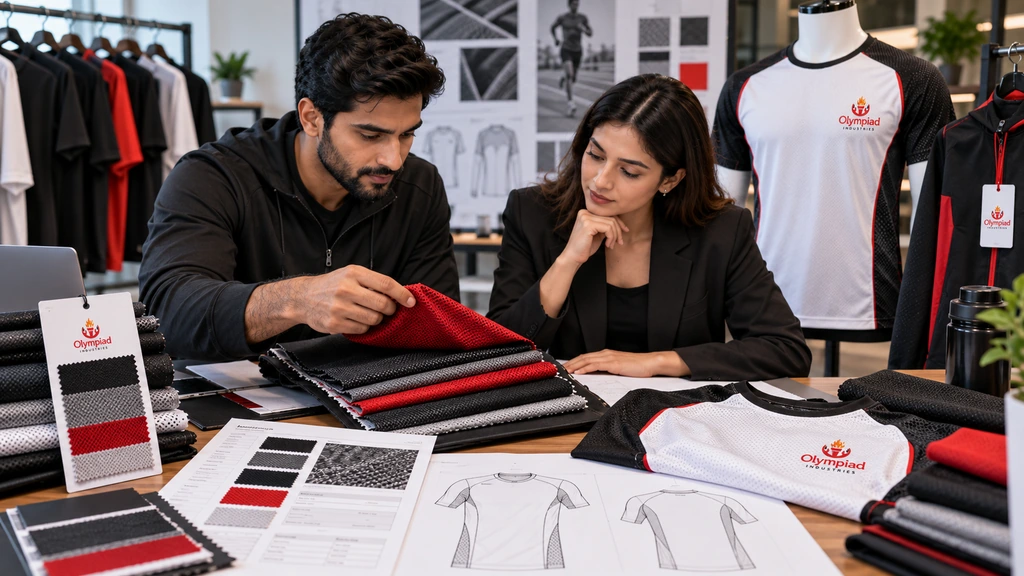
Finding the right manufacturer can have a major influence on product quality.
An activewear factory should understand stretch fabrics and fitted garment construction.
Experience with ordinary T-shirts does not automatically mean a supplier has the same expertise in leggings or sports bras.
Evaluate manufacturers for:
- Relevant products
- Fabric sourcing
- Pattern making
- Sampling
- Stitching
- Branding
- Quality control
- MOQ
- Communication
Ask to see examples of products similar to your intended collection.
If you are developing leggings, evaluate leggings—not unrelated hoodies or casualwear.
18. Questions to Ask an Activewear Manufacturer
A good supplier discussion should go beyond asking for the cheapest price.
The manufacturer needs enough information to understand your project, and the buyer should also evaluate whether the supplier is technically suitable.
Important questions include:
- Which activewear products do you specialize in?
- Which stretch fabrics are available?
- What GSM options can you provide?
- Can you provide fabric swatches?
- Can you develop custom patterns?
- Can you manufacture men’s and women’s fits?
- Can you produce product samples?
- How do you check activewear quality?
- Which branding methods do you offer?
- Can you provide private labels?
- What is the MOQ?
- Can sizes and colors be mixed?
- What is the production lead time?
- Can you handle repeat orders?
- Can you provide custom packaging?
A supplier’s willingness to explain technical details can also provide insight into communication quality.
19. Understand Activewear MOQ
MOQ means Minimum Order Quantity.
Activewear MOQ can depend on:
- Product
- Fabric
- Color
- Design
- Labels
- Packaging
A manufacturer may accept a smaller garment quantity using available fabrics but require a larger quantity for custom dyeing.
Startup brands should ask exactly what the MOQ applies to.
It may be:
- Per style
- Per color
- Per design
- Per fabric
Understanding this structure helps avoid creating a collection that is too large for the available budget.
20. Request Fabric Swatches
Fabric swatches should be reviewed before committing to a final material.
Digital photographs can show color approximately, but they do not show:
- Stretch
- Weight
- Softness
- Thickness
- Recovery
- Opacity
Compare several fabrics side by side.
Stretch each one manually and observe how quickly it returns.
Hold lighter colors against a strong light source to evaluate coverage.
A few minutes of careful fabric evaluation can prevent much larger problems during bulk production.
21. Develop Product Samples
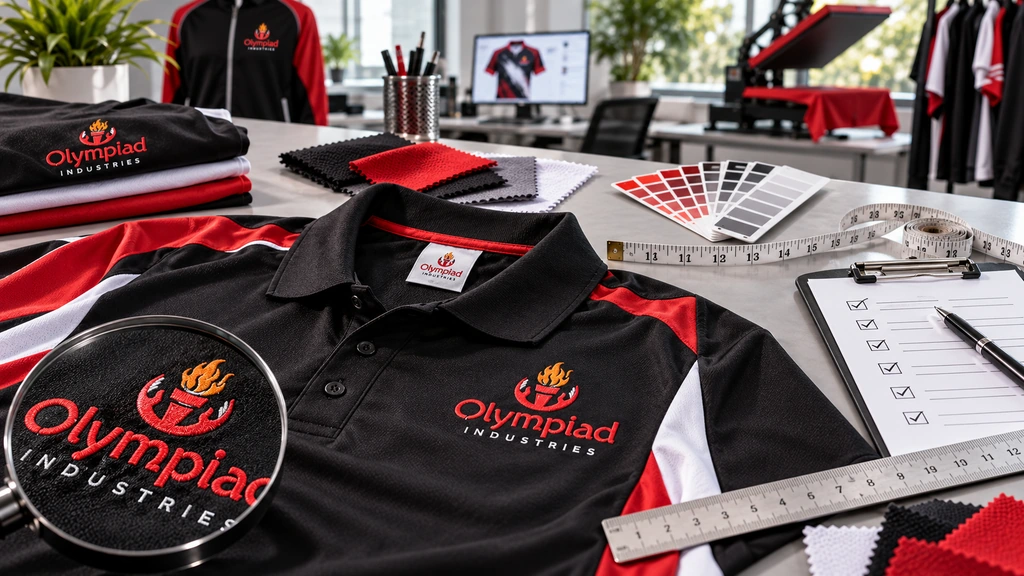
Sampling converts your product idea into a real garment.
This stage is where fabric, pattern, design, and construction meet for the first time.
The first sample may not be perfect.
Common adjustments may involve:
- Waistband
- Length
- Strap tension
- Fit
- Logo size
- Seam position
Sample revisions should be documented clearly.
The objective is to create a final approved reference that bulk production can follow.
22. Test Your Activewear Samples
Activewear samples should not be approved based only on appearance.
They should be worn and tested under realistic conditions.
A product designed for movement needs to be evaluated while moving.
Fit Testing
Check:
- Comfort
- Compression
- Length
- Waist position
- Coverage
Try the garment on the intended body size.
Stretch Testing
Stretch the garment repeatedly and observe whether:
- Seams remain secure
- Fabric returns
- Logo remains intact
Opacity Testing
For leggings and shorts, test:
- Squatting
- Bending
- Lunging
Opacity should remain acceptable under stretch.
Seam Testing
Check whether seams:
- Stretch properly
- Cause discomfort
- Pucker
- Open under tension
Wash Testing
Repeated washing can reveal problems involving:
- Shrinkage
- Color
- Surface pilling
- Logo durability
- Shape retention
Testing before bulk production is much less expensive than receiving customer complaints afterward.
23. Choose Printing and Branding Methods
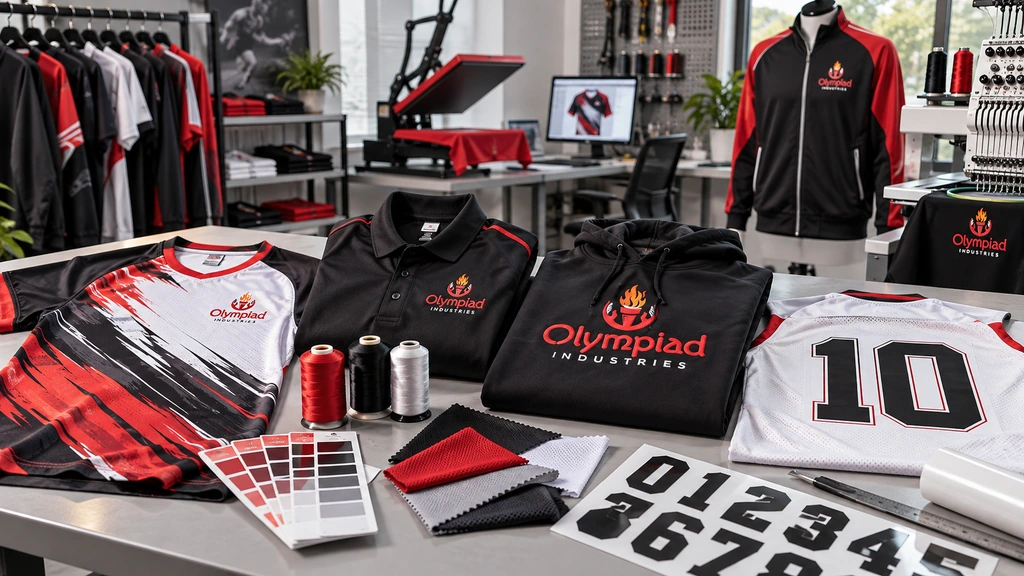
Decoration should be selected according to the garment and fabric.
Heavy decoration can negatively affect lightweight stretch garments.
Common methods include:
- Heat transfer
- Screen printing
- Sublimation
- Embroidery
Heat transfer can be useful for small activewear logos, provided the material can stretch sufficiently.
Sublimation can work particularly well on compatible polyester materials.
Embroidery is usually more suitable for structured items such as tracksuits or jackets than very lightweight leggings.
Ask the manufacturer to recommend the method according to the product rather than using one technique across the entire collection.
24. Develop Private Labels and Hang Tags
Private labels help transform a manufactured garment into a recognizable branded product.
Branding details can include:
- Main label
- Size label
- Care label
- Hang tag
Care labels are particularly important because activewear fabrics can have specific washing requirements.
A care label may provide:
- Material composition
- Washing instructions
- Size
- Other required product information
For fitted products, label comfort also matters.
A bulky woven label positioned incorrectly can irritate the customer during training.
Printed neck labels or softer alternatives may be appropriate for some products.
25. Plan Custom Packaging
Packaging should protect the product while supporting the brand’s intended presentation.
A direct-to-consumer brand may prioritize a premium unboxing experience.
A wholesale brand may prioritize efficient packing and easy size identification.
Possible options include:
- Individual polybags
- Zip bags
- Tissue
- Stickers
- Branded bags
- Custom boxes
New brands should keep packaging proportional to their budget.
A clean standard bag with a quality hang tag and branded sticker can be professional without requiring an expensive custom packaging program.
26. Calculate Your Activewear Manufacturing Cost
Product cost should be calculated carefully before setting retail prices.
Manufacturing cost may include:
- Fabric
- Labor
- Stitching
- Decoration
- Labels
- Packaging
However, business costing should go further.
Also consider:
- Sampling
- Freight
- Import costs
- Warehousing
- Payment fees
- Marketing
- Returns
This gives a more accurate landed cost.
Two similar-looking leggings can have very different costs depending on:
- Fabric composition
- GSM
- Pockets
- Seams
- Branding
- Packaging
Always compare quotations based on the same specification.
27. Set Retail and Wholesale Pricing
Pricing should support both profitability and brand positioning.
A premium activewear company may use higher prices because it invests more heavily in fabric, product development, packaging, and marketing.
A value-focused brand may target larger sales volumes at lower margins.
If wholesale is part of your strategy, remember that retailers also need margin.
The business may therefore need different:
- Retail price
- Wholesale price
- Promotional price
Avoid copying competitor pricing without understanding your own costs.
A competitor may have a completely different production scale and marketing structure.
28. Plan Your First Bulk Order
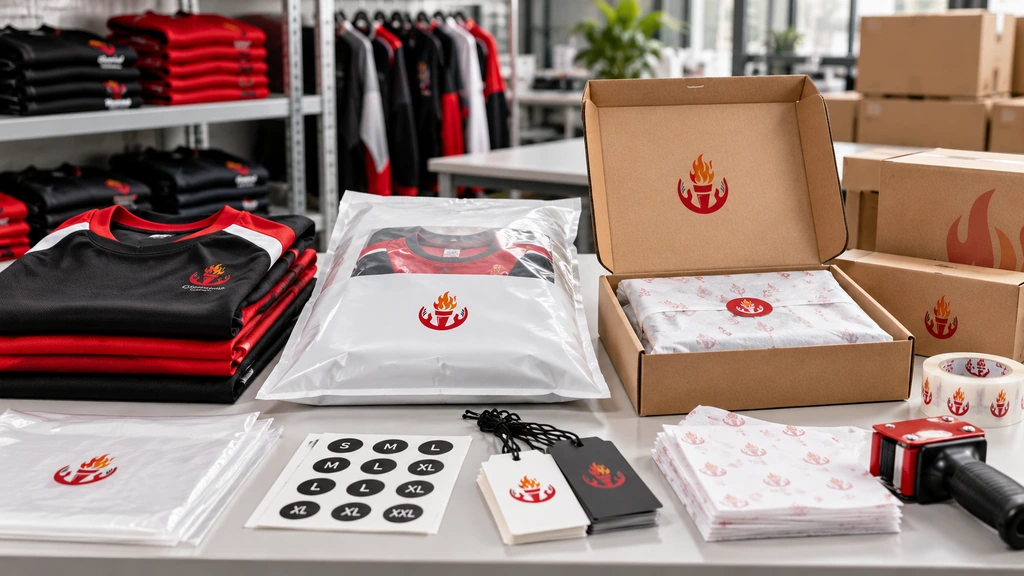
The first bulk order should be large enough to launch properly but small enough to manage risk.
Consider:
- Budget
- Expected demand
- Pre-orders
- Audience size
- Size distribution
- Color demand
Avoid dividing inventory across too many combinations.
For example, 5 styles × 5 colors × 6 sizes already creates 150 possible product variations.
That can become difficult for a startup to manage.
A simpler first collection often provides better information about real customer demand.
You can then increase quantities of proven products during repeat production.
29. Quality Control Before Shipping
Bulk production should be inspected before it leaves the manufacturer.
Quality control should compare finished products against the approved sample and specification.
Important checks can include:
- Fabric
- Measurements
- Stitching
- Color
- Branding
- Labels
- Quantity
- Packaging
For activewear specifically, additional attention should be given to:
- Stretch
- Seam flexibility
- Waistband consistency
- Opacity
- Shape
A visual inspection alone may not be enough for fitted performance garments.
30. Choose Shipping and Logistics
Shipping affects both delivery time and landed product cost.
Common options include:
- Express courier
- Air freight
- Sea freight
Courier or air transport can be useful for smaller initial orders or urgent launches.
Sea freight may become more economical for large quantities.
The right choice depends on:
- Weight
- Volume
- Destination
- Deadline
- Budget
Do not plan your launch based only on manufacturing time.
Allow additional time for:
- Export preparation
- Transit
- Customs
- Local delivery
Building a buffer into the schedule reduces unnecessary pressure.
31. Build Your Activewear Website
A professional website helps establish trust, particularly for a new online-only brand.
The site should make it easy for customers to understand:
- Products
- Fit
- Size
- Fabric
- Price
- Shipping
- Returns
Important pages can include:
- Homepage
- Shop
- About
- Size guide
- Shipping policy
- Returns policy
- Contact page
Activewear product pages should clearly explain characteristics such as:
- Compression
- Rise
- Stretch
- Fabric feel
- Support
Accurate descriptions reduce uncertainty and potentially reduce returns.
32. Create Product Photography and Content
Customers cannot touch activewear when shopping online, so visual presentation becomes very important.
Use a combination of:
- Front photos
- Back photos
- Detail shots
- Fabric close-ups
- Lifestyle photos
- Movement videos
For leggings, show how the product fits at:
- Waist
- Hip
- Ankle
For sports bras, show:
- Front
- Back
- Strap design
Video can be particularly useful for demonstrating movement and stretch.
Consistent photography also makes the brand look more professional across the website and social media.
33. Plan Your Activewear Brand Launch
Launching should be treated as a campaign rather than a single website update.
Start building awareness before the products become available.
Pre-launch content can include:
- Product development
- Fabric selection
- Sample previews
- Behind-the-scenes manufacturing
- Packaging
- Photoshoots
A launch plan can also include:
- Email signups
- Early access
- Pre-orders
- Influencer seeding
- Limited introductory offers
The objective is to create an audience before expecting immediate sales.
34. Market Your Activewear Brand
Marketing is an ongoing process.
Activewear is particularly suitable for visual and lifestyle content because the product can be demonstrated during real activity.
Potential channels include:
- TikTok
- YouTube
Content can include:
- Workouts
- Product testing
- Fabric education
- Customer transformations
- Athlete content
- Behind-the-scenes manufacturing
Avoid making every post a sales advertisement.
Useful content can help the brand build authority and community.
35. Work With Gyms, Trainers and Fitness Influencers
Fitness professionals can become valuable partners because they already interact with the type of customer activewear brands want to reach.
Potential partners include:
- Personal trainers
- Gym owners
- Fitness instructors
- Yoga instructors
- Athletes
- Content creators
Partnerships can include:
- Product gifting
- Affiliate programs
- Sponsored content
- Gym merchandise
- Co-branded collections
Choose partners whose audience matches the brand rather than simply choosing the largest follower count.
Audience relevance is generally more valuable than vanity metrics.
36. Sell Wholesale and B2B
Activewear brands do not need to rely only on direct-to-consumer sales.
Wholesale opportunities can include:
- Gyms
- Fitness studios
- Retailers
- Sports stores
- Distributors
A wholesale program should have clear information about:
- Minimum quantity
- Wholesale pricing
- Product range
- Sizes
- Lead times
B2B customers may also request:
- Custom branding
- Exclusive colors
- Gym-specific products
If manufacturing capabilities allow customization, these partnerships can become an additional revenue channel.
37. Manage Inventory and Repeat Orders
Inventory management can determine whether a growing brand has enough cash available for marketing and new product development.
Track sales by:
- Product
- Size
- Color
This helps identify which combinations need to be reordered.
Do not assume every size or color should be ordered equally.
Real sales data should influence future production.
Maintain accurate records of:
- Fabric
- GSM
- Pattern
- Size chart
- Artwork
- Labels
- Packaging
These details make repeat production easier and help maintain consistency.
38. Expand Your Activewear Collection
Expansion should follow customer demand rather than simply adding more products because manufacturing is available.
If leggings become the strongest product, the brand might expand through:
- Additional colors
- Shorts version
- Matching sports bras
- Jackets
A training-focused brand could expand from:
- T-shirts
- Shorts
into:
- Compression wear
- Joggers
- Tracksuits
Each new product should have a reason to exist within the collection.
Gradual expansion allows the business to preserve cash and maintain stronger quality control.
Common Mistakes New Activewear Brands Make
Many startup mistakes occur before bulk manufacturing even begins.
One of the most common is focusing heavily on logo and branding while treating the actual garment as secondary. Customers may be attracted by branding initially, but long-term success depends on product quality.
Another common mistake is selecting fabrics from photographs or descriptions without testing physical swatches.
Other problems include:
- Launching too many products
- Selecting the cheapest manufacturer
- Skipping sample testing
- Ignoring squat-proof performance
- Poor size charts
- Ordering too much inventory
- Setting prices without calculating landed cost
- Using unsuitable logos on stretch fabrics
- Launching without marketing preparation
- Failing to plan repeat orders
Most of these problems are easier and less expensive to correct before bulk production.
How Olympiad Industries Supports Activewear Startups
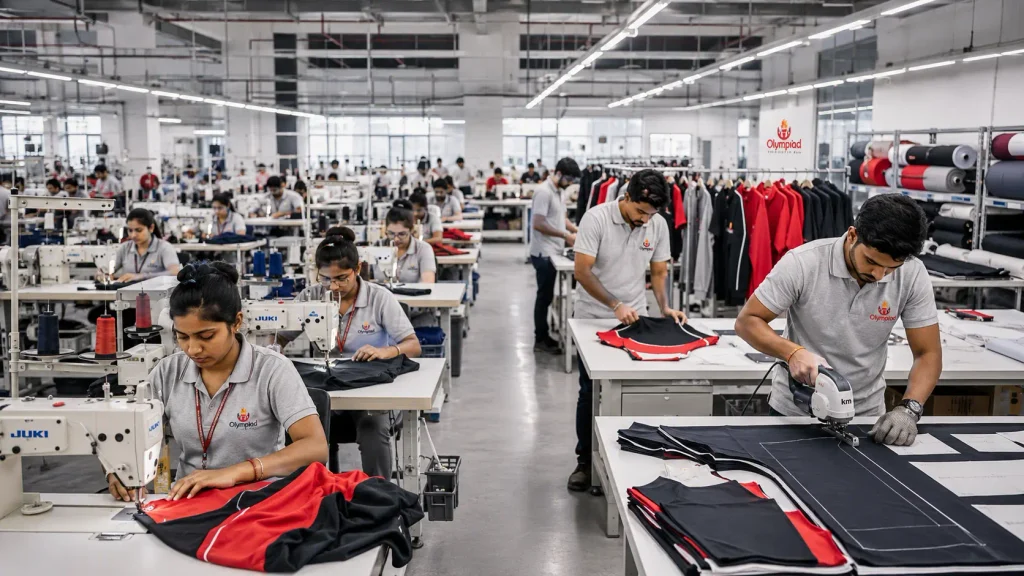
Olympiad Industries works with startups, private-label brands, fitness businesses, retailers, distributors, and other B2B buyers that require customized activewear manufacturing.
Projects can begin from different levels of development.
A buyer may already have a complete tech pack, or may begin with:
- Reference images
- Sketches
- Existing garments
- Measurement charts
- Artwork
- Product ideas
The manufacturing requirements can then be reviewed according to the intended product, target customer, fabric, fit, branding, and quantity.
Product Development
Product requirements can be developed around categories such as:
- Leggings
- Sports bras
- Training tops
- Shorts
- Compression wear
- Tracksuits
Important product details are reviewed before sampling.
Raw Materials
Material selection can consider:
- Composition
- GSM
- Stretch
- Recovery
- Breathability
- Opacity
- Surface feel
Suitable threads, elastic, zippers, trims, and other components are selected according to the garment.
Pattern Making and Cutting
Patterns are prepared according to:
- Measurements
- Fit
- Product design
- Fabric behavior
Stretch garments require careful consideration because fabric elasticity influences final fit.
Once specifications are approved, the fabric can be prepared and cut according to the pattern.
Stitching
Garment construction is selected according to the product.
Leggings, sports bras, lightweight tops, and tracksuits can each require different seam and assembly methods.
The objective is to provide appropriate movement and durability for the intended use.
Embellishment and Branding
Depending on fabric and design requirements, branding may include:
- Sublimation
- Heat transfer
- Screen printing
- Embroidery
Private-label components can also include:
- Main labels
- Size labels
- Care labels
- Hang tags
Sampling
Samples allow buyers to evaluate important details before bulk production.
Depending on the garment, review areas may include:
- Fabric
- GSM
- Fit
- Stretch
- Measurements
- Opacity
- Branding
- Construction
Required adjustments can be made before the product is approved.
Quality Control
Bulk garments can be reviewed against the approved specifications.
Quality checks may include:
- Measurements
- Stitching
- Fabric
- Branding
- Labels
- Finishing
- Packaging
Product-specific performance requirements can also be considered where relevant.
Tagging and Packing
Approved garments can be prepared according to the buyer’s private-label requirements.
This may include:
- Hang tags
- Care labels
- Size identification
- Individual bags
- Custom packaging
The final setup can be adapted for ecommerce, retail, wholesale, or other B2B requirements.
Frequently Asked Questions
How much does it cost to start an activewear brand?
There is no fixed amount. Startup cost depends on the number of products, quantity, fabric, sampling, branding, packaging, website, marketing, and shipping. A focused initial collection can reduce the amount of capital required.
Can I start an activewear brand without owning a factory?
Yes. Many activewear brands work with third-party manufacturers while focusing internally on brand development, marketing, sales, and customer service.
What products should an activewear startup launch first?
Start with a focused collection suited to your target customer. Leggings and a matching sports bra may suit one brand, while training shirts and shorts may make more sense for another.
What is the best fabric for activewear?
There is no single best material. Nylon-spandex and polyester-spandex are commonly used for fitted activewear, but the correct fabric depends on stretch, recovery, opacity, GSM, comfort, and intended use.
Should leggings be squat-proof?
For gym and training leggings, good opacity under realistic movement is an important quality expectation. Both fabric and garment fit influence squat-proof performance.
What is 4-way stretch?
Four-way stretch refers to fabric capable of useful stretch in both horizontal and vertical directions. It is commonly used for close-fitting activewear requiring freedom of movement.
Do I need a tech pack?
A tech pack is very helpful because it documents product specifications. However, some manufacturers can begin development using sketches, existing samples, measurement charts, or reference images.
Should I order samples before bulk production?
Yes. Sampling is especially important for activewear because stretch, recovery, opacity, support, and fit cannot be properly judged from digital artwork alone.
What is the MOQ for activewear?
MOQ varies according to product, fabric, colors, branding, and packaging. Ask the manufacturer whether minimum quantities apply per style, color, or design.
How do I find a reliable activewear manufacturer?
Look for relevant activewear experience, suitable fabrics, pattern development, sampling, quality control, private-label services, clear communication, realistic lead times, and the ability to support repeat orders.
Conclusion
Starting an activewear brand requires careful coordination between product development, manufacturing, branding, finance, marketing, and inventory management.
A strong business begins with a clearly defined customer and niche. Once the market is understood, the brand can develop a focused first collection rather than investing in too many products at once.
Activewear product development should pay particular attention to fabric, GSM, stretch, recovery, opacity, fit, sizing, and seam construction. These characteristics directly influence how garments perform during real movement.
Physical sampling is therefore one of the most important stages. Leggings should be tested for opacity and waistband stability, sports bras should be evaluated for the intended level of support, and stretch garments should maintain their shape after repeated movement.
The manufacturing partner should also be evaluated carefully for activewear experience rather than selected purely on price.
After the product is approved, brands need accurate costing, sensible inventory quantities, strong product presentation, and a planned launch strategy.
A startup does not need to begin with a huge collection. A smaller range of well-developed products can create a stronger foundation, generate useful customer feedback, and provide real sales data before the business expands.
Also read: Private Label Activewear Manufacturing: Complete Brands Guide
Olympiad Industries supports activewear startups, private-label brands, fitness businesses, retailers, distributors, and other B2B buyers with product development, fabric selection, pattern making, sampling, branding, private labeling, quality control, packaging, and bulk activewear manufacturing according to buyer-specific requirements.



Leave a Reply