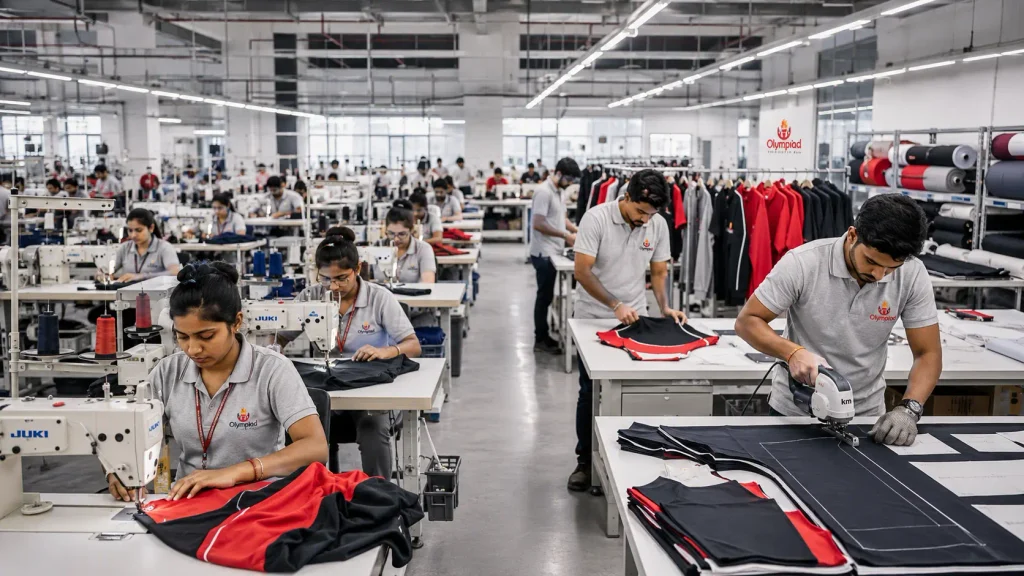
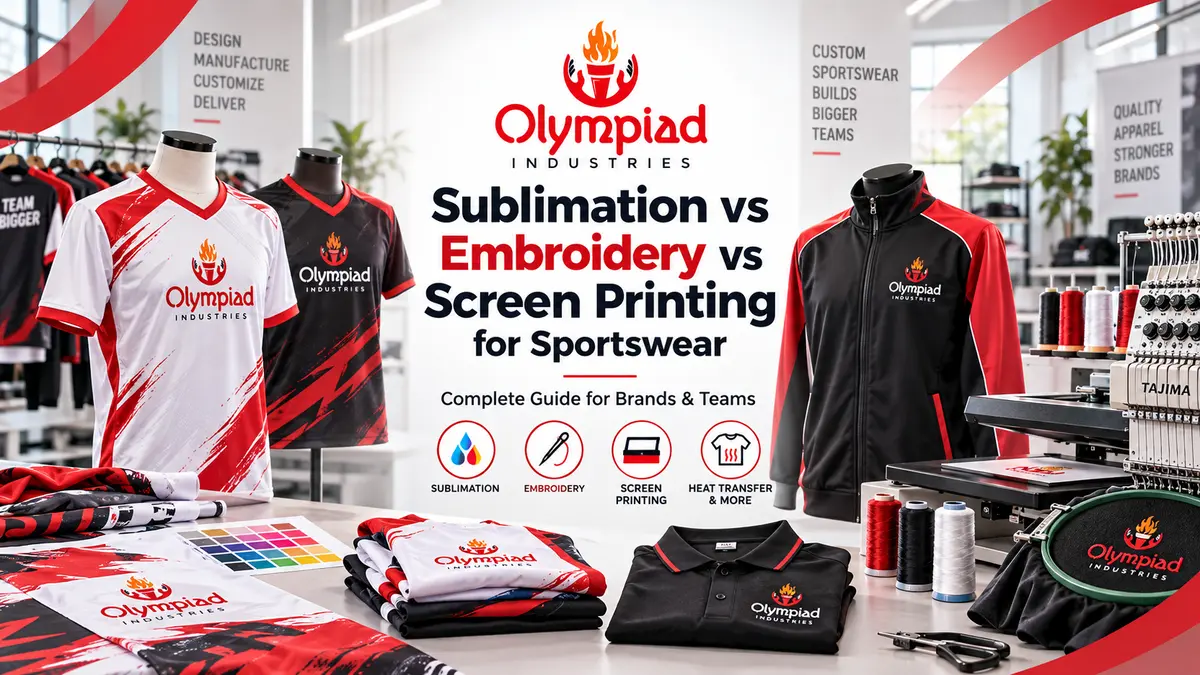

Sublimation vs Embroidery vs Screen Printing: Choosing the right decoration method is an important part of custom sportswear manufacturing. Logos, names, numbers, sponsor graphics, patterns, and other branding elements can be applied in several different ways, but not every method is suitable for every garment.
Sublimation printing, embroidery, screen printing, and heat transfer are among the most commonly used techniques in custom sportswear. Each method has its own advantages, limitations, appearance, cost structure, fabric requirements, and ideal applications.
A football jersey with a full-body graphic may be better suited to sublimation, while a premium polo shirt may look more professional with embroidery. Screen printing can work well for certain graphics and bulk quantities, while heat transfer is often useful for names, numbers, or smaller branding applications.
This guide explains how the main sportswear decoration methods work, where each technique is most suitable, and what brands, teams, clubs, retailers, distributors, and private-label buyers should consider before choosing one.
What Are Sportswear Decoration Methods?
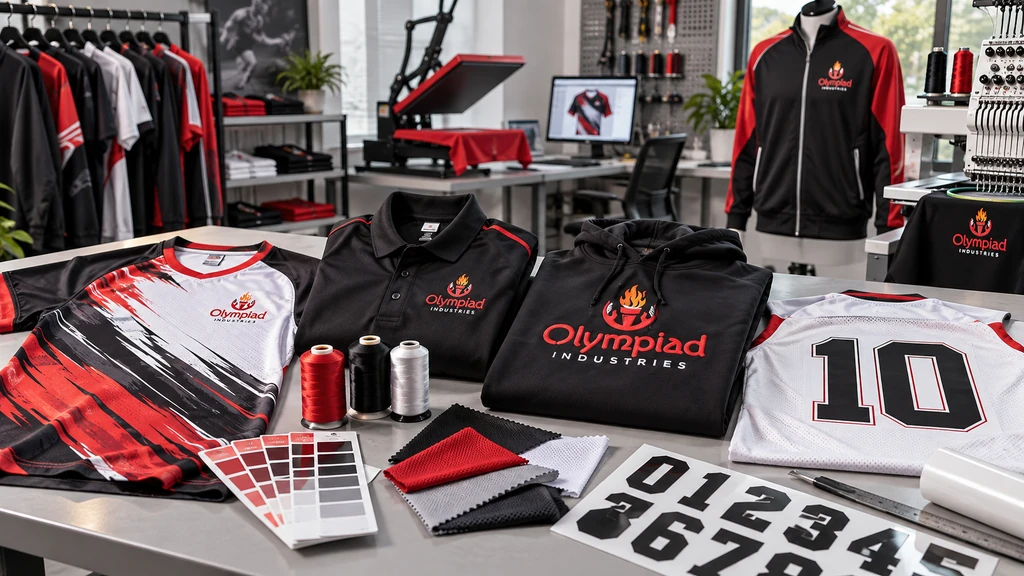
Sportswear decoration methods are techniques used to apply branding, artwork, logos, names, numbers, patterns, or other visual elements to garments.
Common methods include:
- Sublimation printing
- Embroidery
- Screen printing
- Heat transfer
- Vinyl transfer
- Digital transfer
- Other specialized applications
The right method depends on several factors, including:
- Fabric composition
- Fabric weight
- Garment type
- Artwork complexity
- Number of colors
- Order quantity
- Intended activity
- Wash requirements
- Desired appearance
- Budget
In many projects, more than one method can be used on the same collection.
For example, a team may use sublimation for match jerseys, embroidery on polo shirts, and heat transfer for player names on jackets.
Why the Right Decoration Method Matters
Decoration is not only about appearance.
The method selected can affect:
- Garment comfort
- Durability
- Flexibility
- Breathability
- Weight
- Wash performance
- Logo detail
- Production cost
- Lead time
- Brand presentation
A thick decoration method may not be suitable for a lightweight performance jersey, while a very delicate technique may not be appropriate for a garment exposed to frequent friction.
The decoration method should therefore be selected together with the fabric and garment construction rather than treated as a separate decision.
What Is Sublimation Printing?
Sublimation is a printing process commonly used for polyester sportswear.
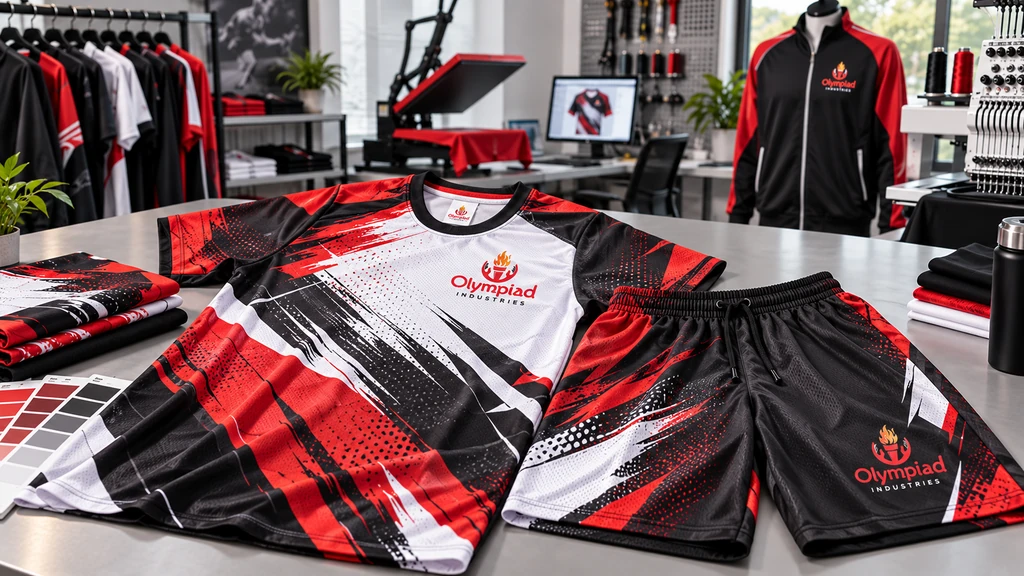
The artwork is transferred into the polyester fibers using heat. Instead of creating a thick printed layer on the surface, the color becomes part of the fabric.
This makes sublimation particularly suitable for sportswear that requires:
- Detailed graphics
- Full-color designs
- Large patterns
- Gradients
- Sponsor logos
- Player names
- Numbers
- All-over printing
Sublimation is widely used for:
- Football kits
- Basketball uniforms
- Rugby kits
- Cycling apparel
- Sports jerseys
- Training wear
- Team uniforms
How Sublimation Printing Works
The process typically begins with digital artwork.
The design is prepared according to the garment pattern and printed using specialized sublimation inks.
The artwork is then transferred to polyester fabric using heat and pressure.
After printing, the fabric pieces can be cut and stitched into the final garment, depending on the production workflow.
Main Stages
A typical sublimation workflow may include:
- Artwork preparation
- Color setup
- Printing the transfer
- Heat transfer to fabric
- Cutting
- Stitching
- Inspection
This method allows the graphic to become part of the material rather than sitting on top of it.
Advantages of Sublimation Printing
Sublimation offers several benefits for sportswear.
Full-Color Artwork
Complex designs can include:
- Multiple colors
- Gradients
- Patterns
- Photographic-style elements
- Detailed sponsor graphics
There is generally no need to limit the design to a small number of colors in the same way as some traditional printing methods.
Lightweight Finish
Because the design becomes part of the polyester fibers, sublimation does not create a heavy surface layer.
This is useful for performance apparel where flexibility and comfort matter.
Good Durability
The print does not usually crack, peel, or flake in the same way that some surface-applied graphics can.
Large Design Coverage
Sublimation is especially useful for:
- Full-front graphics
- Full-back designs
- Sleeve patterns
- Side panels
- All-over designs
Easy Personalization
Names and numbers can be incorporated directly into the artwork, making sublimation practical for custom team uniforms.
Limitations of Sublimation Printing
Sublimation is highly useful, but it is not suitable for every project.
Polyester Works Best
Sublimation is primarily designed for polyester-based materials.
It is not normally the ideal choice for cotton garments.
Light-Colored Base Fabrics Are Preferred
Traditional sublimation works most effectively on white or light polyester because the process adds color rather than printing an opaque layer over a dark base.
Color Matching Requires Care
Digital colors can appear differently once transferred to fabric.
Physical sampling and approved color references can therefore be important.
Fabric Selection Still Matters
Different polyester fabrics can produce slightly different print results because of:
- Surface texture
- Knit structure
- Finish
- GSM
Brands should test the intended material rather than assuming all polyester will print identically.
What Is Embroidery?
Embroidery applies a design using thread and stitching.
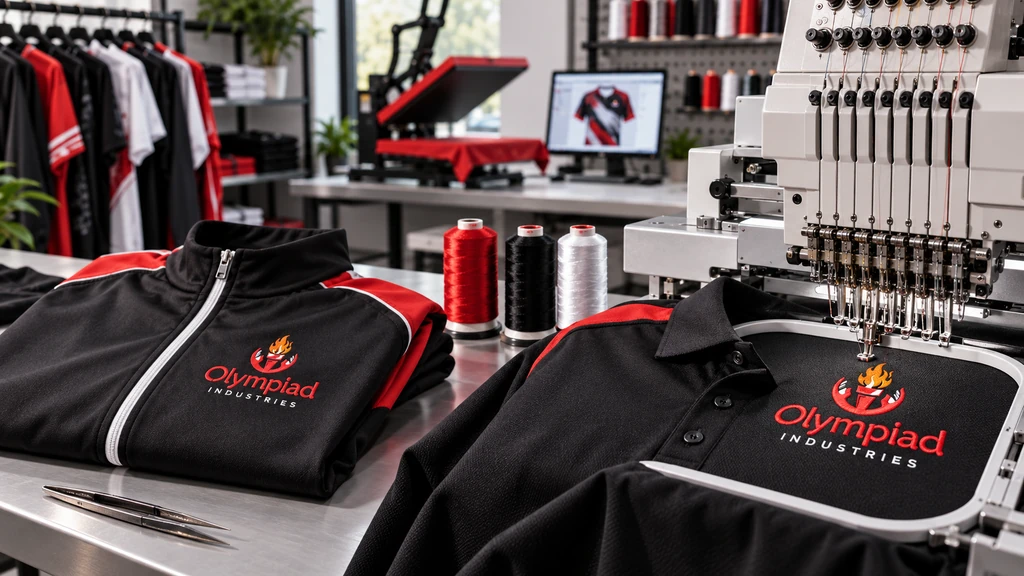
The logo or graphic is converted into a digital embroidery file that controls how the machine creates the design.
Embroidery is commonly used on:
- Polo shirts
- Tracksuits
- Sports jackets
- Hoodies
- Sweatshirts
- Caps
- Teamwear
- Staff apparel
It can create a premium, textured appearance that is very different from printed decoration.
How Embroidery Works
Before embroidery begins, artwork is usually converted into a stitch file.
This process is known as digitizing.
The embroidery machine then uses thread to build the design directly onto the garment.
Typical Process
- Artwork review
- Digitizing
- Thread color selection
- Garment positioning
- Stabilizer or backing preparation
- Machine embroidery
- Trimming
- Inspection
The process needs to consider both the logo and the fabric.
Advantages of Embroidery
Premium Appearance
Embroidery can create a strong, professional look suitable for:
- Clubs
- Brands
- Staff uniforms
- Team travel wear
Textured Finish
The raised stitched surface gives logos a distinctive appearance.
Good Durability
Properly applied embroidery can withstand repeated use and washing.
Strong Branding
It can work particularly well for:
- Chest logos
- Club crests
- Brand marks
- Staff identification
Suitable for Structured Garments
Embroidery is often a good option for garments with enough fabric stability, such as jackets, polos, and heavier teamwear.
Limitations of Embroidery
Adds Weight
Embroidery adds thread and backing to the garment.
This may not be ideal for very lightweight performance apparel.
Large Logos Can Become Heavy
A very large, dense embroidery design can feel stiff.
Fine Detail Has Limits
Very small text or extremely fine graphic detail may not reproduce clearly.
Not Ideal for Every Fabric
Thin or highly stretchy fabrics may distort if embroidery is too dense.
Cost Can Increase With Stitch Count
Pricing may depend on factors such as:
- Logo size
- Stitch density
- Number of pieces
- Complexity
What Is Screen Printing?
Screen printing is a traditional decoration method in which ink is pushed through a prepared screen onto the garment.
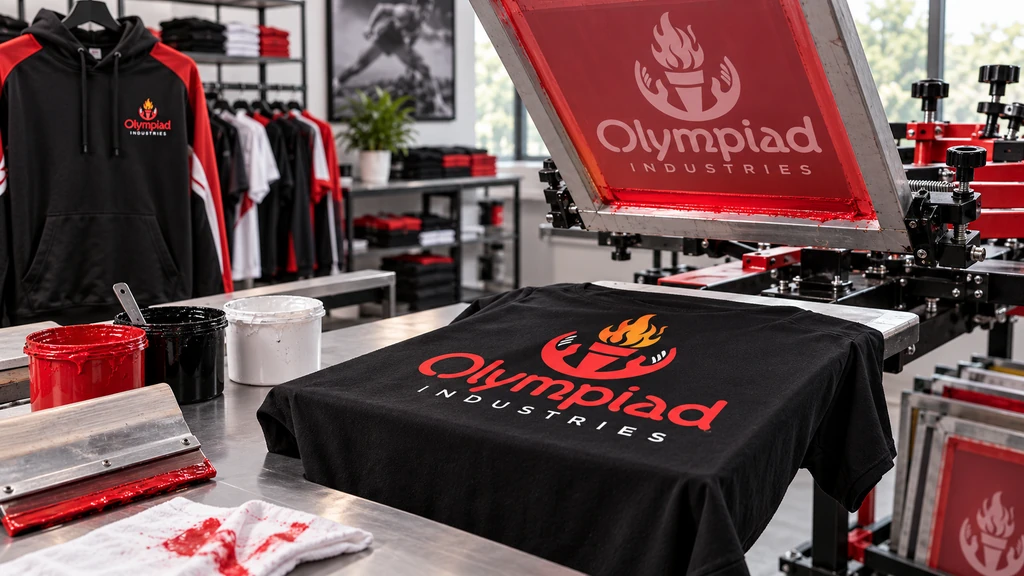
Each color is generally applied separately.
Screen printing is commonly used for:
- T-shirts
- Training wear
- Hoodies
- Sweatshirts
- Team apparel
- Promotional sportswear
It can produce bold, clean graphics and can be cost-effective for certain bulk quantities.
How Screen Printing Works
A separate screen may be prepared for each color in the design.
Ink is then applied through the screen onto the fabric.
Depending on the ink and garment, the print may then be cured using heat.
General Process
- Artwork separation
- Screen preparation
- Ink preparation
- Garment positioning
- Printing
- Curing
- Inspection
The number of colors can influence setup time and cost.
Advantages of Screen Printing
Strong Color Coverage
Screen printing can produce bold graphics with good color density.
Cost-Effective for Bulk Orders
Once setup is completed, larger quantities can become more efficient.
Suitable for Simple Graphics
It works particularly well for:
- Logos
- Text
- Solid-color designs
- Simple graphics
Wide Application Range
It can be used on many sports-inspired and casual garments.
Limitations of Screen Printing
Setup Requirements
Each color may require separate preparation.
This can make very small quantities less efficient.
Large Prints Can Affect Breathability
A thick printed area may reduce airflow through the fabric.
Complex Full-Color Designs Are Less Efficient
Sublimation may be more suitable when a design contains:
- Many colors
- Gradients
- All-over artwork
Stretch Can Be a Factor
The print needs to be suitable for the stretch characteristics of the garment.
Improper application can result in cracking or distortion over time.
What Is Heat Transfer Printing?
Heat transfer uses heat and pressure to apply a graphic onto the surface of the garment.
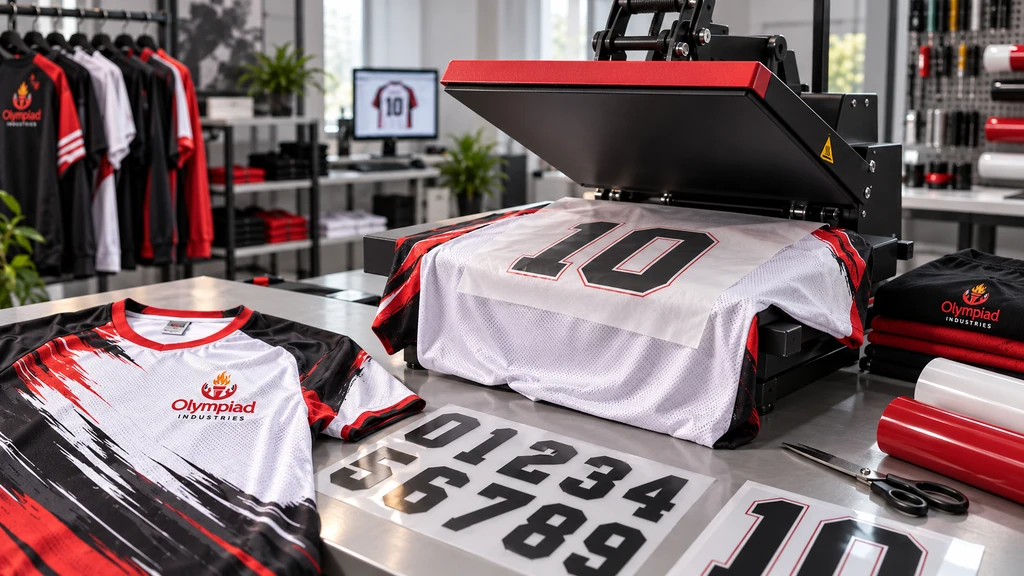
Several types of heat-transfer materials and processes are available.
It is commonly used for:
- Player names
- Numbers
- Sponsor logos
- Small graphics
- Personalization
- Team apparel
Heat transfer can be useful for both small and larger orders depending on the specific process.
How Heat Transfer Works
Artwork is prepared and transferred onto a special film or material.
The design is then pressed onto the garment using heat and pressure.
General Steps
- Artwork preparation
- Cutting or printing the transfer
- Positioning
- Heat pressing
- Cooling or peeling
- Inspection
The exact process varies according to the transfer material.
Advantages of Heat Transfer
Ideal for Names and Numbers
Heat transfer is widely used for player customization.
Suitable for Small Quantities
It can be practical when each garment requires different information.
Clean Appearance
A well-applied transfer can create a sharp, professional result.
Flexible Artwork Options
Different transfer systems can handle:
- Text
- Numbers
- Logos
- Multi-color graphics
Limitations of Heat Transfer
Surface Layer
The design sits on top of the fabric, so large graphics may affect flexibility or breathability.
Heat Sensitivity
Some fabrics may not tolerate the required temperature.
Durability Depends on Material and Application
Poor-quality transfer material or incorrect heat settings can lead to:
- Peeling
- Cracking
- Edge lifting
Correct process control is essential.
Sublimation vs Embroidery vs Screen Printing vs Heat Transfer
Each method serves a different purpose.
| Feature | Sublimation | Embroidery | Screen Printing | Heat Transfer |
|---|---|---|---|---|
| Best Fabric | Polyester | Stable fabrics | Various fabrics | Various compatible fabrics |
| Full-Color Graphics | Excellent | Limited | Moderate | Good |
| All-Over Design | Excellent | No | Limited | Limited |
| Small Logos | Good | Excellent | Excellent | Excellent |
| Names & Numbers | Excellent | Possible | Possible | Excellent |
| Large Orders | Excellent | Good | Excellent | Good |
| Small Orders | Good | Moderate | Less efficient | Excellent |
| Surface Feel | Very light | Textured | Printed layer | Applied layer |
| Best For | Jerseys | Polos/Jackets | T-shirts/Hoodies | Names/Numbers |
This comparison is only a general guide.
The best method still depends on the actual fabric, artwork, garment, quantity, and intended use.
Best Method for Football Jerseys
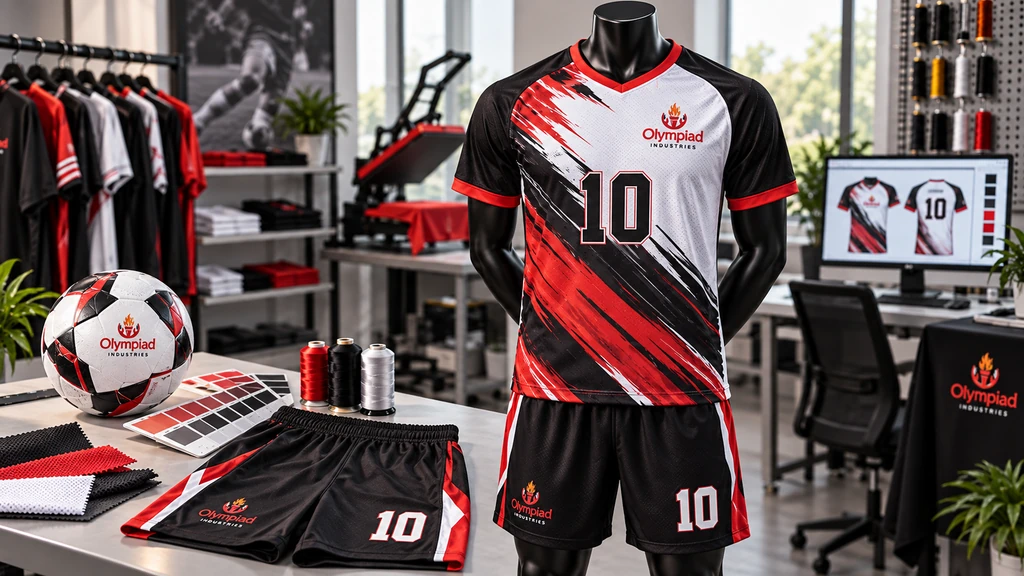
Football jerseys often benefit from sublimation because teams may require:
- Full-color designs
- Sponsor logos
- Player names
- Numbers
- Complex patterns
- Lightweight performance
Sublimation allows all these elements to be integrated into the fabric.
Heat transfer may also be used for individual names or numbers when the base jersey is not fully sublimated.
Embroidery can be used for club crests in certain designs, but very dense embroidery may add unnecessary weight to a lightweight match jersey.
Best Method for Basketball Uniforms
Basketball uniforms often use lightweight polyester fabrics.
Sublimation is a strong option for:
- Team colors
- Patterns
- Numbers
- Player names
- Sponsor logos
It avoids adding a heavy surface print to breathable mesh.
Heat transfer can also be used for selected graphics or personalization.
Best Method for Rugby Kits
Rugby garments need to withstand more physical contact.
Sublimation can be highly effective because the design becomes part of the fabric and does not create a thick surface graphic.
Embroidery may be appropriate for selected logos if the fabric and placement can support it.
Heat transfer can be used for names or numbers depending on project requirements.
Best Method for Cricket Uniforms
Cricket apparel can use several decoration techniques.
Possible combinations include:
- Sublimation for colored teamwear
- Embroidery for club crests
- Heat transfer for sponsor logos or numbers
- Screen printing for selected designs
The choice depends on the garment type and fabric.
Best Method for Tracksuits and Sports Jackets
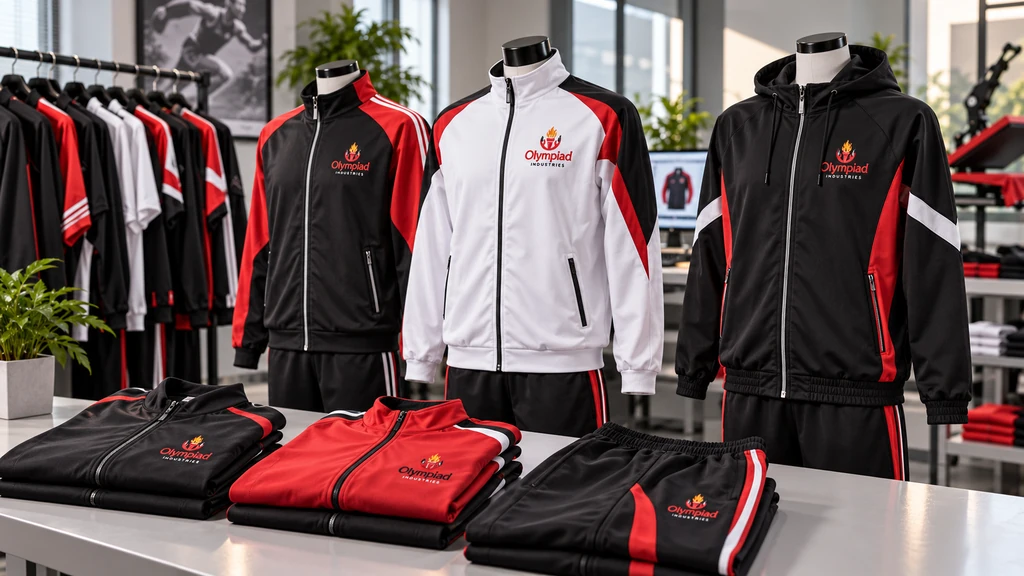
Tracksuits and jackets can often support embroidery well.
Common applications include:
- Chest logos
- Club crests
- Team names
- Brand marks
Heat transfer and screen printing can also be used for:
- Back branding
- Sponsor graphics
- Larger logos
The choice should consider the outer fabric and any coating or surface finish.
Best Method for Polo Shirts
Embroidery is one of the most popular choices for polo shirts.
It can create a clean and professional appearance for:
- Sports clubs
- Staff
- Coaches
- Golf teams
- Corporate programs
Screen printing or heat transfer can also be used when larger graphics are required.
Best Method for Training Wear
Training wear often uses polyester performance fabrics.
Sublimation can be suitable for fully designed training shirts.
Heat transfer works well for:
- Logos
- Names
- Numbers
- Sponsor marks
Screen printing can be appropriate for simpler training garments, especially when produced in larger quantities.
Best Method for Hoodies and Sweatshirts
Hoodies and sweatshirts offer more decoration flexibility because the fabric is generally heavier.
Suitable techniques can include:
- Embroidery
- Screen printing
- Heat transfer
Large back graphics are often better suited to screen printing or transfer than dense embroidery.
Smaller chest logos can work well with embroidery.
Best Method for Names and Numbers
Heat transfer and sublimation are both strong options for player names and numbers.
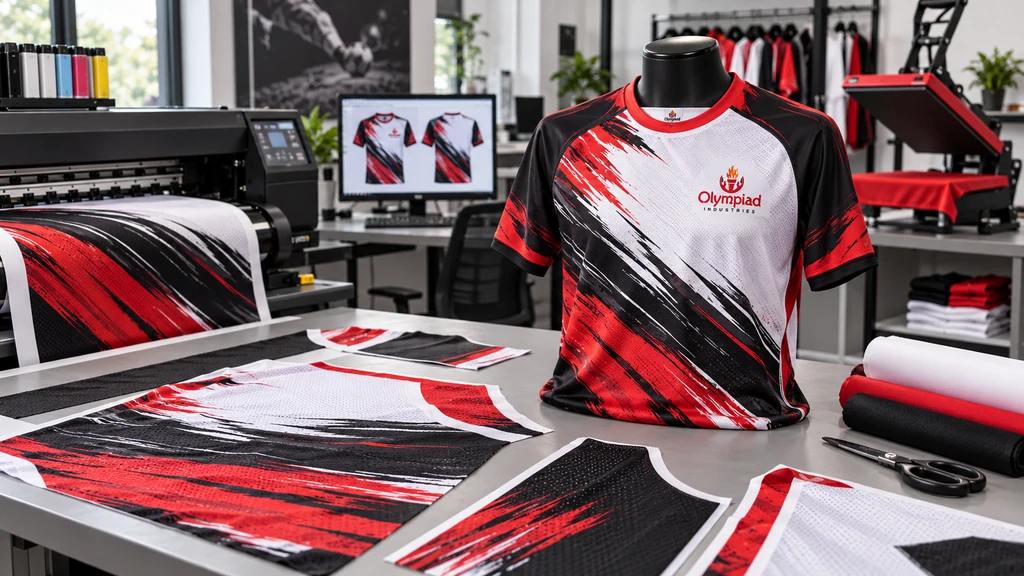
Sublimation
Best when the garment is already being fully sublimated.
Names and numbers can be built directly into the artwork.
Heat Transfer
Useful when:
- Each player needs different information
- The garment is already manufactured
- Personalization is required later
The right method depends on the production workflow.
How Fabric Affects Decoration Choice
Fabric selection has a major influence on decoration.
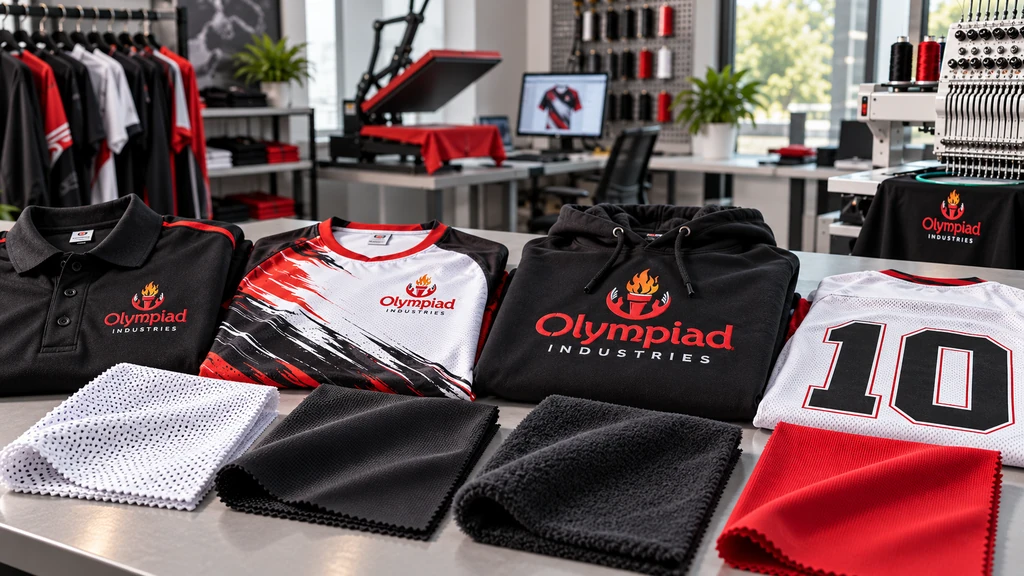
Important factors include:
- Fiber composition
- GSM
- Surface texture
- Stretch
- Heat sensitivity
- Coatings
- Breathability
A smooth polyester fabric may be suitable for sublimation.
A structured piqué polo may be ideal for embroidery.
A cotton hoodie may work well with screen printing.
A highly elastic compression fabric requires decoration that can stretch with the material.
Decoration and fabric should therefore be selected together.
Decoration on Lightweight Fabrics
Lightweight sports fabrics require careful decoration.
Heavy embroidery can cause:
- Puckering
- Distortion
- Stiffness
Large screen prints can reduce breathability.
For lightweight polyester jerseys, sublimation is often preferred because it maintains the original fabric feel.
Decoration on Stretch Fabrics
Stretch fabrics need decoration that can move with the garment.
Potential concerns include:
- Cracking
- Peeling
- Distortion
- Loss of flexibility
Before bulk production, stretch fabrics should be tested with the intended decoration method.
This is particularly important for:
- Leggings
- Compression tops
- Sports bras
- Cycling apparel
Decoration on Fleece and Heavy Fabrics
Heavier materials such as fleece can support more substantial decoration.
Embroidery can work particularly well on:
- Hoodies
- Sweatshirts
- Joggers
- Jackets
Screen printing can also produce strong graphics on suitable surfaces.
The surface texture of the fleece should still be considered.
Durability and Wash Performance
Sportswear is often washed frequently.
Decoration must therefore withstand repeated cleaning.
Durability can depend on:
- Decoration method
- Fabric type
- Production quality
- Wash temperature
- Detergent
- Drying method
- Ironing
Brands should provide appropriate care instructions and test samples when wash durability is important.
Which Method Lasts the Longest?
There is no single answer because durability depends on the complete application.
Generally:
- Sublimation is highly durable on suitable polyester because the color becomes part of the fibers.
- Embroidery can be extremely durable when properly applied.
- Screen printing can last well when correct inks and curing are used.
- Heat transfer can perform well when quality materials and correct application settings are used.
Poor production can reduce the life of any decoration method.
Cost Considerations
Decoration cost can vary according to:
- Order quantity
- Logo size
- Number of colors
- Artwork complexity
- Personalization
- Fabric
- Setup requirements
Sublimation
Cost is usually influenced by:
- Print area
- Fabric
- Artwork
- Production quantity
Using more colors does not always increase cost in the same way as screen printing.
Embroidery
Cost may be influenced by:
- Stitch count
- Logo size
- Density
- Quantity
Screen Printing
Cost may depend heavily on:
- Number of colors
- Screen setup
- Quantity
Larger runs can be more economical.
Heat Transfer
Cost depends on:
- Transfer type
- Size
- Complexity
- Quantity
- Personalization
How Order Quantity Affects Decoration Choice
Order quantity can change which method is most practical.
Small Orders
Heat transfer can be useful because it allows individual customization without extensive setup.
Medium Orders
Sublimation, embroidery, or heat transfer may all work depending on the product.
Large Orders
Screen printing can become more cost-effective once setup is distributed across more pieces.
Sublimation is also highly suitable for large custom team orders.
Color Matching in Sportswear Decoration
Brand colors and team colors need careful management.
Different decoration methods can reproduce colors differently.
For example:
- Sublimation colors depend on fabric and heat settings.
- Embroidery colors depend on available thread shades.
- Screen printing uses mixed inks.
- Heat transfer depends on film or printed-transfer colors.
Buyers should review physical samples when exact color matching is important.
Logo Size and Placement
Decoration quality also depends on correct placement.
Common locations include:
- Left chest
- Right chest
- Center chest
- Sleeves
- Back
- Lower garment
- Shorts
- Trouser leg
Logo size should be proportionate to the garment.
A logo that looks correct on an adult XL size may appear too large on a youth garment.
Placement should therefore be reviewed across different sizes when necessary.
Common Sportswear Decoration Mistakes
Brands and teams should avoid common mistakes such as:
- Selecting decoration before choosing fabric
- Using dense embroidery on lightweight fabric
- Using heat transfer without testing stretch
- Using oversized graphics on breathable jerseys
- Failing to approve color samples
- Using very small embroidery text
- Ignoring wash testing
- Approving artwork without checking placement
- Choosing the cheapest method instead of the most suitable
- Mixing decoration methods without considering consistency
These issues can often be prevented through sampling.
Always Approve a Decorated Sample
A fabric swatch and digital mockup are useful, but they do not fully show how the final decoration will behave.
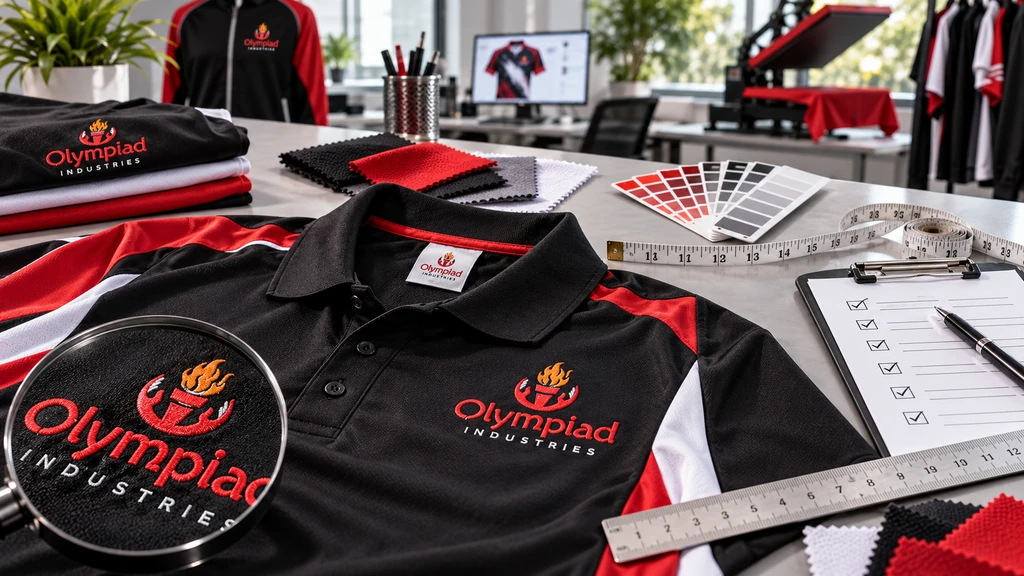
A physical decorated sample allows buyers to inspect:
- Color
- Size
- Placement
- Texture
- Flexibility
- Stitch quality
- Print quality
- Overall appearance
It also allows testing after washing or stretching.
Approving a sample before bulk production can significantly reduce risk.
How Olympiad Industries Handles Sportswear Embellishment
At Olympiad Industries, decoration is treated as part of the broader custom apparel development process.
The appropriate method is selected according to:
- Fabric
- Product type
- Artwork
- Logo size
- Quantity
- Intended activity
- Buyer requirements
Depending on the project, embellishment may include:
- Sublimation
- Embroidery
- Screen printing
- Heat transfer
- Names
- Numbers
- Sponsor branding
- Custom artwork
Our workflow connects decoration with the other manufacturing stages.
Raw Materials
Fabric and other materials are selected according to the garment and intended decoration method.
Pattern Making & Cutting
Garment components are prepared according to the approved design and measurements.
Stitching
Construction is coordinated with decoration placement and product requirements.
Embellishment
Approved artwork is applied using the selected process.
Quality Check
Logo position, print quality, embroidery, names, numbers, and other details are reviewed according to the project.
Tagging & Packing
Approved products move to final labeling and packing.
The objective is to use the decoration method that best suits the product rather than applying one technique to every garment.
Questions to Ask Before Choosing a Decoration Method
Before approving production, buyers can ask:
- Which method is suitable for this fabric?
- Is the garment suitable for sublimation?
- Can the logo be embroidered cleanly?
- Will the print stretch with the garment?
- How durable is the decoration?
- Can you match our brand colors?
- Is there a minimum quantity?
- Does the method affect breathability?
- Can we personalize names and numbers?
- Can we see a physical sample?
- How should the garment be washed?
- Are there alternative decoration methods?
These questions can help buyers make a more informed decision.
Also read: How to Choose a Custom Sportswear Manufacturer for Your Team
Frequently Asked Questions
Is sublimation better than screen printing for sportswear?
It depends on the product. Sublimation is often better for full-color polyester jerseys and all-over designs, while screen printing can be highly effective for simple graphics on suitable garments.
Is embroidery good for sports jerseys?
Embroidery can work for selected logos or crests, but dense embroidery may add weight and stiffness to lightweight performance jerseys. Sublimation is often more suitable for full match kits.
What is the best printing method for football jerseys?
Sublimation is one of the most popular methods for custom polyester football jerseys because it supports full-color designs, names, numbers, and sponsor graphics without adding a heavy surface layer.
Which decoration method is best for polo shirts?
Embroidery is commonly used for polo shirts because it creates a premium and professional appearance.
Is screen printing durable?
Yes, properly applied and cured screen printing can be durable. Performance depends on the ink, fabric, printing process, and garment care.
Does heat transfer peel off?
High-quality heat transfer applied correctly can perform well, but poor material, incorrect temperature, or improper washing can cause peeling or edge lifting.
Can sublimation be used on cotton?
Traditional sublimation is primarily designed for polyester. Cotton usually requires a different decoration method.
What is best for player names and numbers?
Sublimation and heat transfer are both widely used. Sublimation is ideal when personalization is built into a fully sublimated jersey, while heat transfer can be practical for adding individual names and numbers later.
Which method works best for hoodies?
Embroidery, screen printing, and heat transfer can all work well on hoodies depending on the design and fabric.
Should I test decoration before bulk production?
Yes. A decorated sample helps confirm logo placement, color, size, durability, appearance, and compatibility with the selected fabric.
Also read: Best Fabrics for Sportswear: Guide for Brands & Teams
Conclusion
There is no single decoration method that is best for every type of sportswear.
Sublimation is particularly effective for full-color polyester jerseys and complex all-over designs. Embroidery can create a premium appearance on polo shirts, jackets, tracksuits, and teamwear. Screen printing is a strong option for bold graphics and larger quantities, while heat transfer provides flexibility for names, numbers, sponsor logos, and customized garments.
The best choice depends on the fabric, product, artwork, quantity, intended activity, and desired appearance.
For teams and brands, decoration should be planned together with fabric selection and garment construction. Testing through sampling can help ensure that the chosen method looks professional and performs well before bulk manufacturing begins.
Olympiad Industries provides custom sportswear embellishment and apparel manufacturing for teams, brands, clubs, retailers, distributors, and other B2B buyers, with decoration options selected according to buyer-specific fabrics, designs, branding, and product requirements.



Leave a Reply